





 Portuguese
  English
  Spanish
  5 min of reading
  0 comments


Oily leak linked to the Olmeca refinery in Tabasco exposed environmental risk near the Mecoacán lagoon, an area used by fishermen who depend on the water for work, while Pemex removed 549 m³ of fossil fuels and installed barriers to try to contain the spread of the material
Residents saw a flash before dawn in Mexico and the Olmeca refinery, owned by Pemex, began to draw attention due to an oily leak near fishing-related areas in Tabasco.
The information was published by Reuters, an international news agency, on March 25, 2026. The case involves the removal of 549 m³ of fossil fuels, equivalent to 3,453 barrels, in strategic areas within or next to the refinery.
The alert grew because the Rio Seco runs around the facility and connects to the Mecoacán lagoon, where fishermen work with oysters. For those who live off the water, oil near the lagoon means fear of contamination, loss of income, and doubt about the safety of the fish.
-
Number of icebergs from Greenland quadruples in 25 years, changes the North Atlantic seabed, and raises an alert for ships on new Arctic routes.

-
Amid toxic foam, satellites, and smart buoys, São Paulo presents a R$ 23.5 billion plan that could change the way Tietê and Pinheiros are monitored until 2029.
-
Owner of Siena 2007 shows how to clean yellowed and cracked headlights
-
Giant advertisements that would end up in the trash are now turned into bags, eco-bags, and accessories, while each 100 m² of reused canvas prevents about 50 kg of waste in landfills.


Flash, fire, and oily water put the Olmeca refinery at the center of the problem
The episode began to draw attention on March 17, 2026, when residents of Puerto Ceiba, a coastal community near the refinery, saw a bright light before dawn.
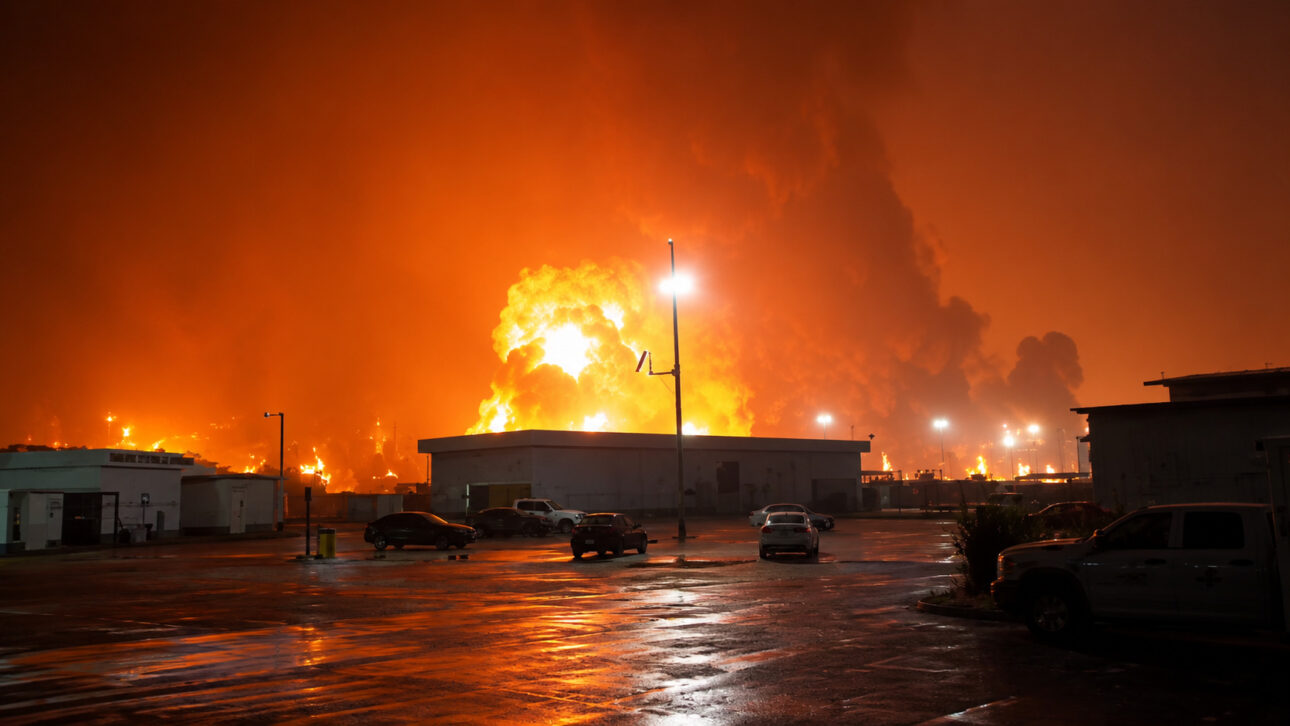
The situation was linked to the overflow of oily water from inside the refinery to a nearby road. Oily water is water mixed with oil, fuel, or petroleum residue, something that needs to be separated and controlled to prevent it from reaching external areas.
The fire was caused when this material left the industrial area and caught fire after a vehicle passed by. The company reported that the episode resulted in the death of five people.
Pemex removed 549 m³ of fossil fuels and placed barriers in the Rio Seco
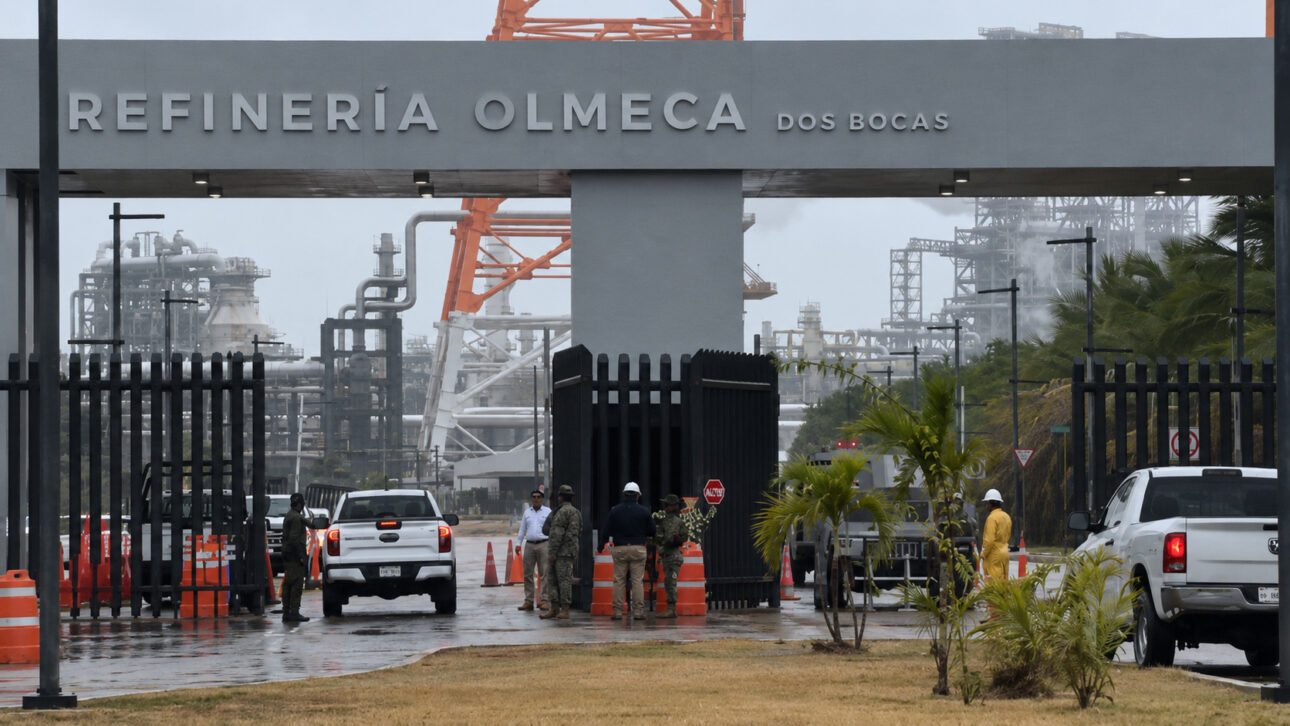
A Pemex, Mexico’s state oil company, reported the cleanup of 549 m³ of fossil fuels at strategic points within or near the Olmeca refinery. This volume is equivalent to 3,453 barrels.
The company also installed containment barriers along the Rio Seco. These barriers are structures used to hold oil in the water and prevent the material from spreading easily.
The Rio Seco surrounds the refinery and connects to the Mecoacán lagoon. Therefore, the concern was not limited to the road or industrial space, as the water can carry residues to areas used by fishermen.
Mecoacán Lagoon became a sensitive point because it supports fishermen and oyster production
The Mecoacán lagoon has a direct impact on the lives of local fishermen. The area is used for oyster harvesting and depends on water quality to maintain local work.
When an oily spill occurs near a lagoon used for fishing, the problem goes beyond the image of oil on the surface. Doubts about water cleanliness can affect sales, income, and residents’ trust.
This type of impact is especially strong in coastal communities. Many families depend on fishing and cannot go long periods without selling what they catch from the water.
Pemex refinery has a projected capacity of 340,000 barrels per day, but has not yet reached this level
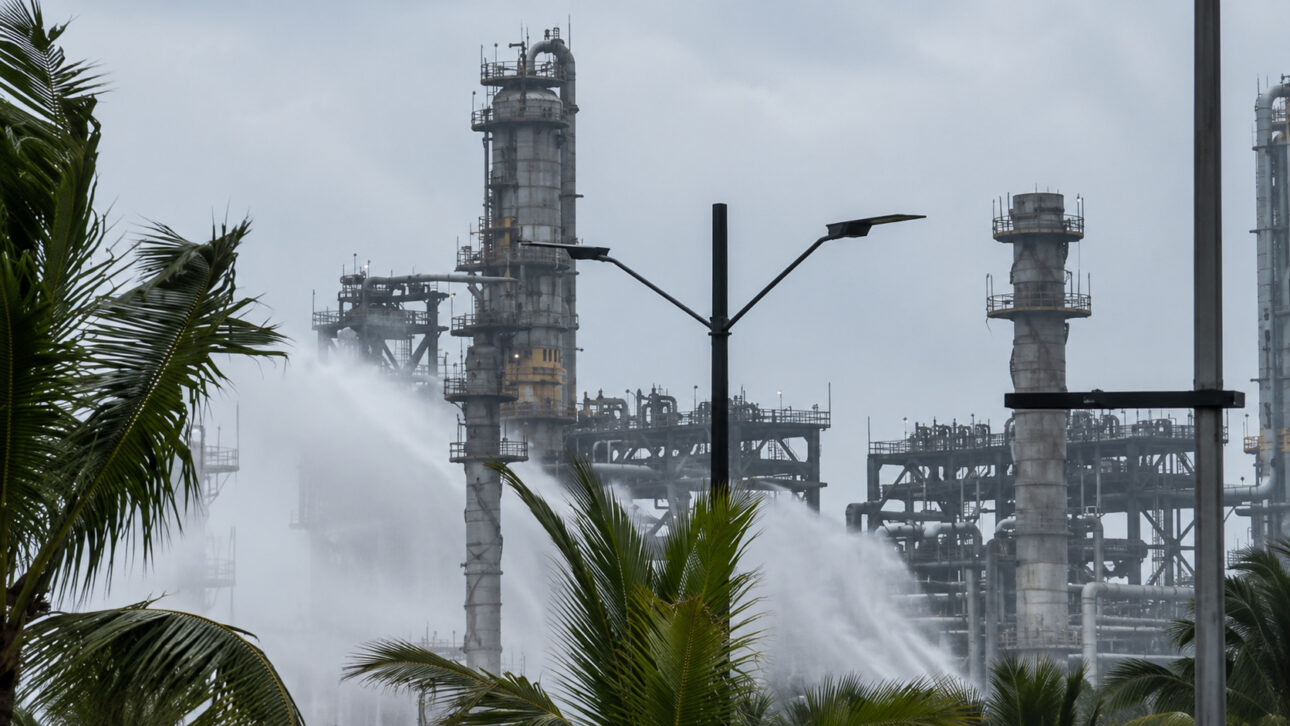
The Olmeca refinery was designed to process 340,000 barrels per day. This number shows the size of the facility and explains why the case is significant in the oil and gas sector.
The unit is part of the Mexican plan to refine more oil within the country itself. However, the refinery was still facing production below target, delays, and budget overruns.
Reuters, international news agency, detailed the central points of the case and noted that the unit’s production was still in the ramp-up phase. In other words, the refinery already had great strategic importance but was not yet operating at the projected level.
The leak linked to the Olmeca refinery should not be confused with another episode in the Gulf
The Olmeca refinery case involves the Pemex facility area in Tabasco, with oily water, fossil fuel cleaning, and barriers in the Rio Seco.
Another leak appeared in early March 2026 off the coasts of Tabasco and Veracruz. The company responsible for this other episode had not yet been identified, and environmental authorities were still investigating the cause.
This difference is important to avoid confusion. Each episode has its own origin, affected area, and investigation, even when all appear within the same scenario of concern with oil in the Gulf.
Why industrial drainage and containment are decisive in areas near rivers and lagoons
A refinery works with oil, fuels, water, and waste. Therefore, industrial drainage needs to safely conduct liquids within the facility.
Industrial drainage is the system through which water and other liquids flow within an operational area. When this control fails or overflows, the material can reach roads, rivers, and nearby communities.
Containment attempts to prevent this advance. In the case of Tabasco, the barriers in the Rio Seco were an attempt to reduce the risk of oil reaching the lagoon used by fishermen with more force.
The Olmeca refinery case combines large numbers and direct impact on local life: 340 thousand barrels per day of projected capacity, 549 m³ removed, 3,453 barrels of fossil material removed, and a lagoon used by fishermen on alert.
The story shows that oil and gas involve not only refineries, production, and fuel. They also involve water, containment, coastal communities, fishermen’s income, and quick response when waste escapes the industrial area.
When a refinery operates near rivers and lagoons used by families who live off fishing, who should have more weight in decisions: energy production or water protection? Comment and share your opinion.







Be the first to react!