Portuguese
  Spanish


More than ten trees in Ilha das Conchas Park in Florianópolis were found with drill holes filled with a purple substance in a case of poisoning that the city hall only discovered after a volunteer’s report, and which is now being investigated by Floram and the Municipal Guard.
Someone is attacking the trees in one of the best-known community parks in the continental part of Florianópolis, and the city hall knew nothing until a resident decided to investigate on her own. A volunteer conducting an informal inspection at Ilha das Conchas Park, in the Abraão neighborhood, found more than ten trees with perforations in their trunks and a purplish substance deposited inside the holes, a scenario that raises strong suspicion of deliberate poisoning. The complaint reached the Municipal Department of Environment late Saturday afternoon (25), and secretary Alexandre Waltrick classified the case as “malice” when evaluating the images recorded by residents on site.
The marks on the tree trunks indicate that whoever made the perforations used mechanical equipment. Videos made by residents show circular holes compatible with drill bits, and sawdust remnants were found on the ground next to the affected trees, evidence that rules out natural causes for the orifices. The purplish substance found inside the perforations has not yet been officially identified, but its presence in more than ten trunks in the same park constitutes a pattern that suggests planned action and not an isolated accident. Floram, the municipal environmental agency, informed that the case was directed to inspectors and that an on-site inspection is scheduled for next week.
What is known about the poisoning of trees in Ilha das Conchas Park

The park is located in the Abraão neighborhood, in the continental area of the Santa Catarina capital, and has a community character that makes it a meeting point for residents of the region. The volunteer who discovered the perforated trees had no official connection with the city hall: she was a resident who decided to explore the space on her own initiative and came across the purplish liquid when examining the trunks more closely. Without this informal inspection, the perforations could have remained undetected long enough for the substance to complete the damage it was apparently designed to cause.
-
Entrepreneur Turns Rio Cemetery Canteen into a Successful Snack Chain Generating $4.9 Million Annually and Expanding to Metro Stations

-
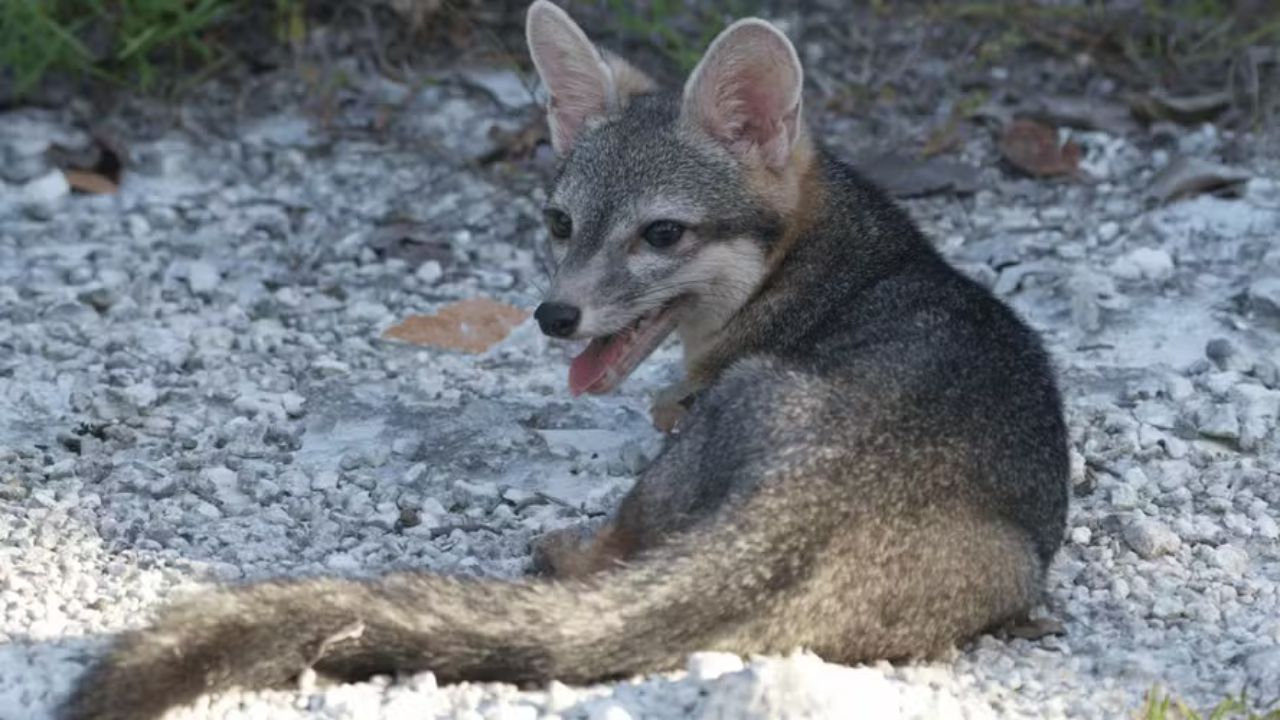
Rare fox feared “extinct” found alive on Caribbean island after over two decades without official sightings

-
21-Year-Old Brazilian Student Turns Homemade Popsicle Hobby into $100,000-a-Month Business

-
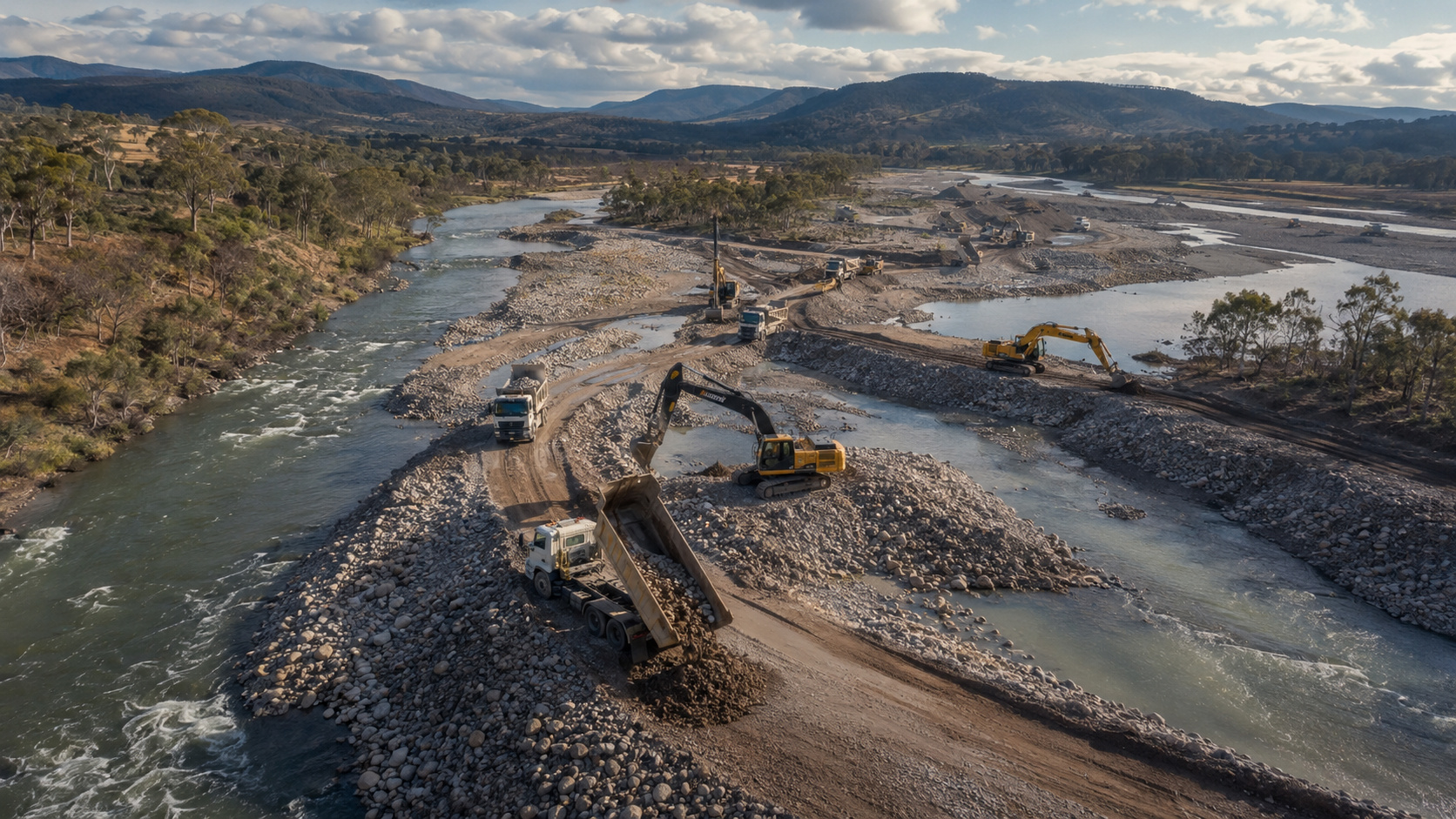
Australia Dumps Hundreds of Thousands of Tons of Gravel into Rivers to Restore Natural Barriers and Reverse 150 Years of Erosion



Secretary Waltrick stated in an interview that Floram and the Municipal Guard’s inspection teams would verify the situation on Sunday (26). The secretary declared that the department still had no detailed information and that the teams would go to the site to verify, but stressed that what appears in the images “was probably malice” and that “it is certainly not something natural,” the secretary declared, acknowledging that it is not a natural phenomenon and that checking surveillance cameras in the region could help identify who perforated the trees. The expectation was that by the end of Sunday, the department would already have preliminary information about the nature of the substance and about possible culprits.
Why would someone drill trees and put a substance inside?

The poisoning of urban trees is not an unprecedented phenomenon in Brazil. Similar cases have already been registered in several cities across the country, and the most common motivation is the elimination of specimens that property owners consider bothersome for reasons such as excessive shading, leaves falling on roofs, damage to sidewalks caused by roots, or obstruction of commercial facades. The method of drilling the trunk with a drill and injecting herbicide or another toxic substance is used precisely because it causes the plant’s death gradually and subtly, making it difficult to identify the moment and the perpetrator of the poisoning.
In the case of Parque Ilha das Conchas in Florianópolis, the situation is particularly serious because the trees are in a public area of community preservation. Poisoning vegetation in a public park constitutes an environmental crime as stipulated in the Environmental Crimes Law (Lei 9.605/98), with penalties that include fines and detention, and the fact that more than ten specimens were affected in the same location indicates that the perpetrator acted systematically and not impulsively. The specific motivation is still unknown, but the investigation by Floram and the Municipal Guard may clarify whether there is a relationship between the affected trees and any real estate, commercial, or personal interest in the area.
The role of the volunteer who discovered the attack on the trees
The complaint that prompted the city hall to act came from a person with no institutional ties to the municipal administration. The volunteer was doing the type of work that, in theory, should be regularly carried out by the municipality’s own environmental maintenance and inspection teams, and the fact that the poisoning of more than ten trees only came to light because a resident decided to walk through the park and look carefully raises questions about the frequency and quality of inspection that public spaces in Florianópolis receive. The drill holes and the deposit of substance in the trunks are not discreet actions: they leave visible marks that any trained inspector would identify on a routine patrol.
The case reinforces the importance of community participation in the protection of public spaces. The city hall published the phone number (48) 3952-0188 for residents to report similar situations, implicitly recognizing that the institutional inspection capacity depends on the collaboration of those who frequent parks and green areas daily. For the trees already affected, the speed of the response will determine whether the specimens can be saved: depending on the substance used and the exposure time, the damage can be reversible if treated quickly or fatal if ignored for a few more days.
What the city hall promised to do to protect the trees and identify the perpetrator
Floram confirmed that an on-site inspection is scheduled and that the investigation will seek both to identify the substance and to locate the perpetrator of the drillings. The verification of security cameras in the park area is the main line of investigation announced by Secretary Waltrick, as the act of drilling more than ten trunks with a drill requires time and equipment that could have been recorded by surveillance systems of nearby properties. The Municipal Guard participates in the investigation because the case involves a potential environmental crime in a public area.
For the residents of Abraão who use Parque Ilha das Conchas as a space for leisure and community, the situation generates indignation and concern. The trees in a community park are collective heritage, and the deliberate attack against them affects not only the local ecosystem but also the quality of life of all who depend on the shade, clean air, and landscape that the vegetation provides. If the investigation confirms poisoning, Florianópolis will have to decide not only how to punish the perpetrator, but also how to prevent the same from happening again in other parks in the city.
And you, have you witnessed tree poisoning in your city? Do you think environmental inspection should be more frequent? Leave your opinion in the comments.