Portuguese
  Spanish


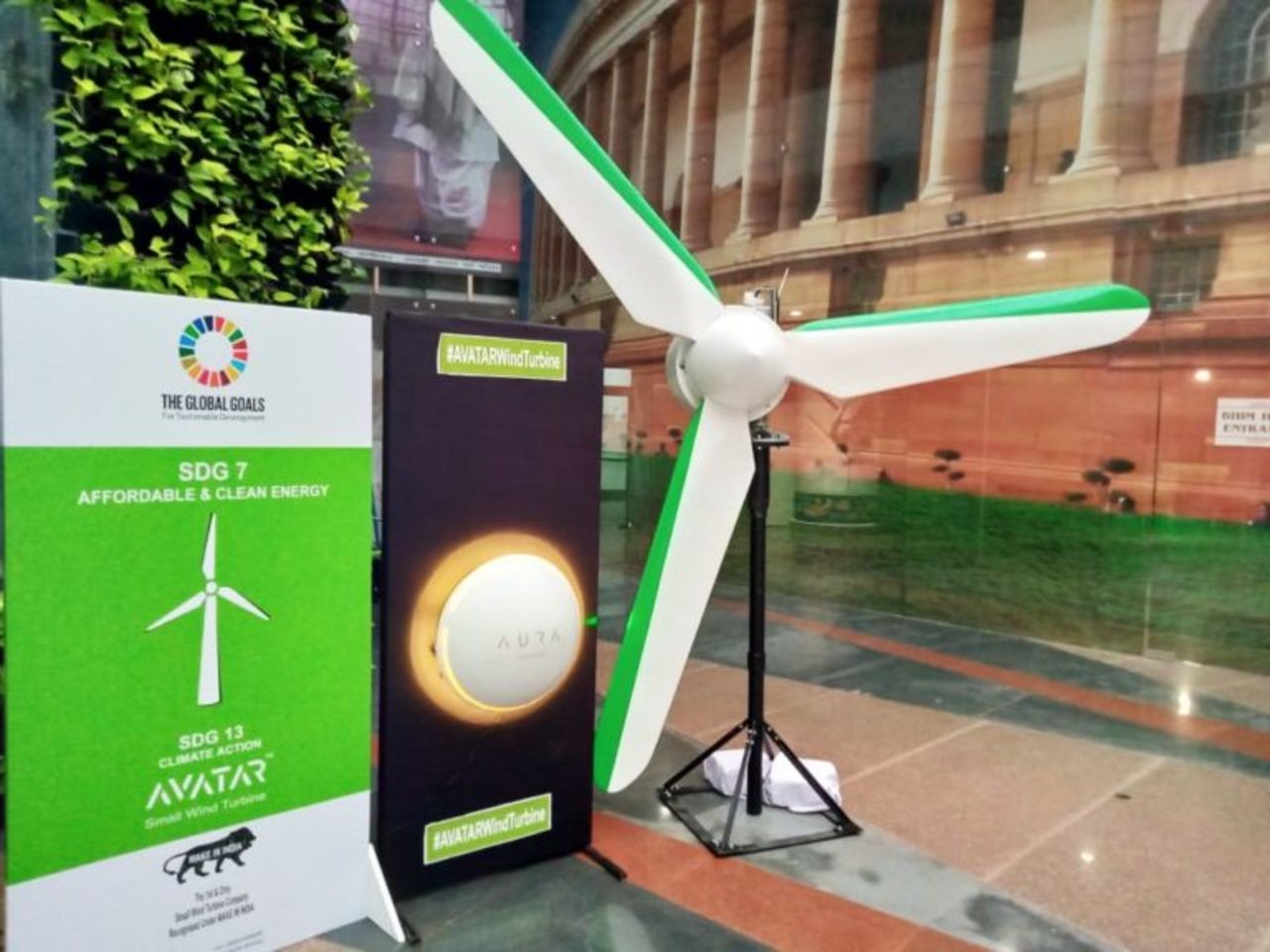

Indian Startup Founded by Two Brothers Develops Wind Turbine That Could Cost the Price of a Smartphone
Through the startup, Avant Garde Innovations, they developed a residential wind turbine that they hope will sell for around 50,000 rupees, about R$ 2,300.00, which is equivalent to a mid-range smartphone today.
Read Also
Arun and Anoop George, leaders of the startup, designed the residential wind turbine with the size of a ceiling fan’s blades, which would ultimately cost less than a smartphone. According to the Indian newspaper The Times, the turbine can generate between 1 to 3 kilowatt-hours of electricity daily, enough to power a household.
Advantages and Precautions According to the Indian Startup
The pilot project of the wind turbine that costs the price of a smartphone was launched by the startup in January of this year at a church. The equipment weighs 72 kg and was designed to operate in various weather conditions and, according to the manufacturers, can generate energy 365 days a year.
-
Fired during apartheid and with a little borrowed money, an electrician started with a borrowed truck and transformed electrical services into a group connected to energy, real estate, and infrastructure in South Africa.

-
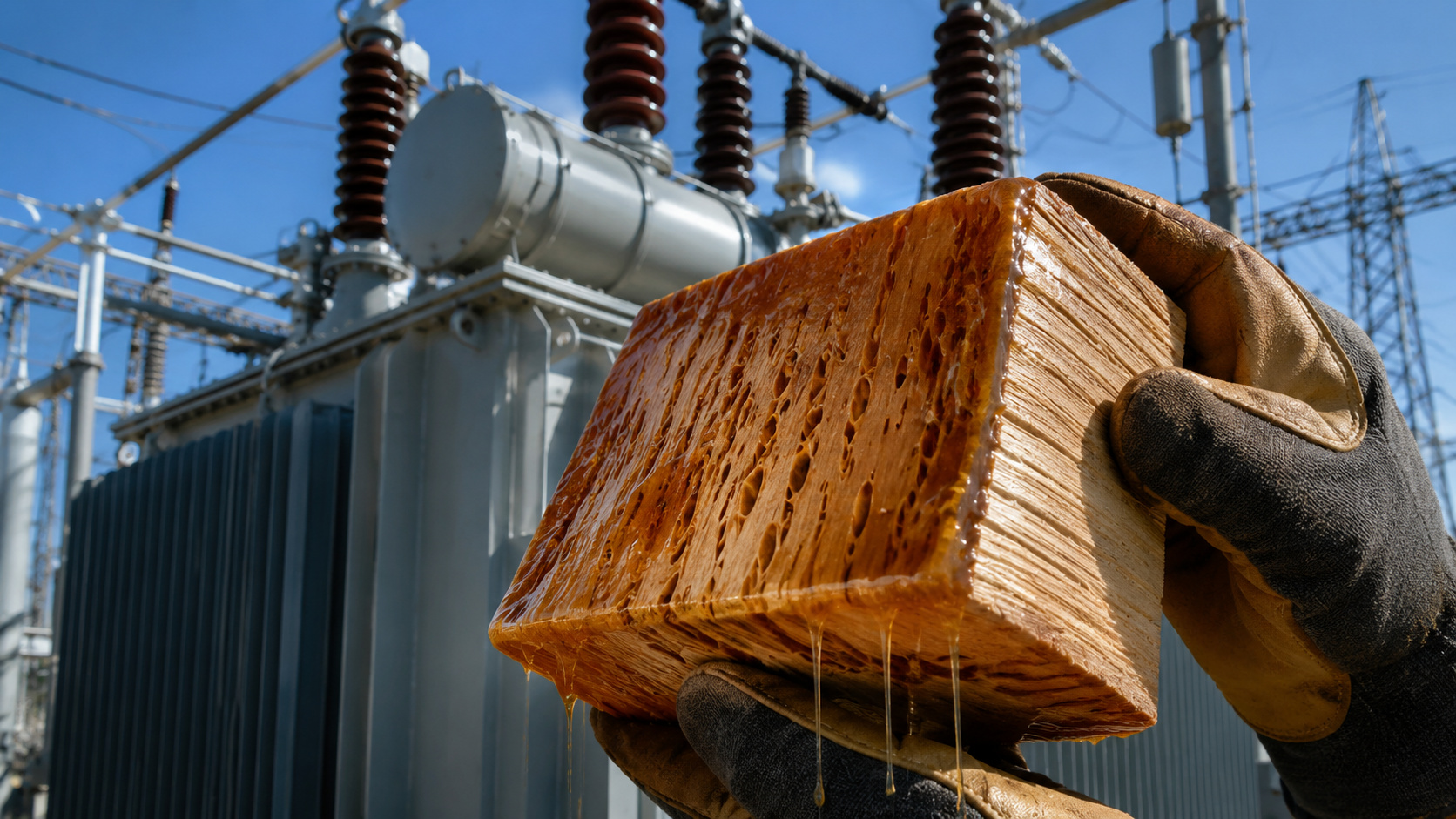
Wood has ceased to be just a construction material in Yale research and has become insulation for electrical transformers that face intense heat, aging, and increasing pressure from the renewable energy-powered grid.
-
More than 1,000 residents of a remote island in Kiribati now have clean water and electricity with solar systems operated by the community itself.
-
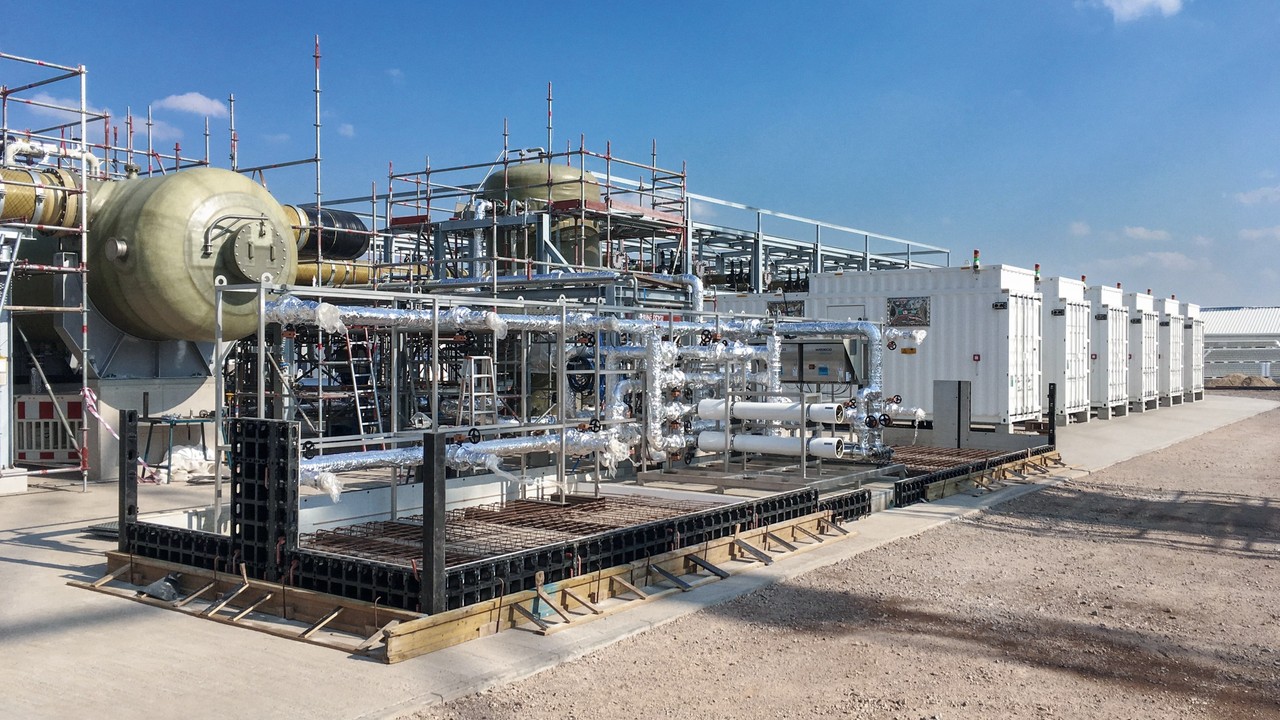
Ceará brings together 7 giants and R$ 66 billion to transform Pecém into the largest green hydrogen hub in Brazil, with final decisions expected by the end of 2026.



The positioning of the wind turbine that may cost the price of a smartphone adapts to the direction of the airflow, the noise generated is about 10% of the noise produced by the wind itself, and the energy produced from the wind is renewable – an alternative to other energy sources, such as those produced from fossil fuels.
The startup, however, warns on its website that to assess the feasibility of generating wind energy, various factors need to be considered, ranging from air density and wind strength to temperature and soil conditions. The value of 5 kWh per day assumes a wind speed of 5.5 m/s.
Check out the Video of the Residential Wind Turbine in Action