Portuguese
  Spanish


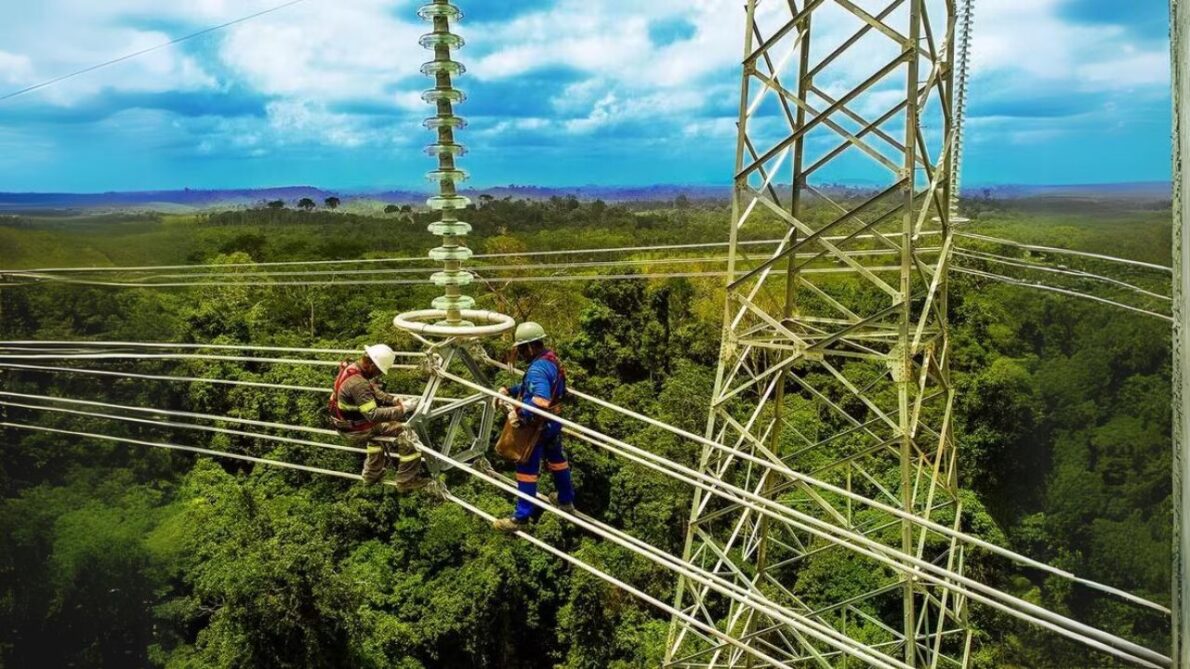

Historic Energy Auction! State Grid China Secures Contract of R$ 18 Billion and Plans R$ 200 Billion in New Investments in Brazil
In a landmark event held at the Palácio do Planalto in Brasília, Brazil celebrated the signing of an unprecedented contract with State Grid Brasil, a subsidiary of the Chinese giant State Grid Corporation of China (SGCC). This agreement not only highlights the largest energy transmission contract ever recorded in Brazil’s history but also symbolizes a substantial investment in the country’s energy future, totaling 18 billion reais.
The project includes the construction and maintenance of extensive direct current transmission lines, covering approximately 1,500 km to be built and 1,400 km to be maintained, traversing vital states such as Maranhão, Tocantins, and Goiás. The complexity and magnitude of this undertaking require an execution period of 72 months, extending well beyond the usual 60 months for similar projects.
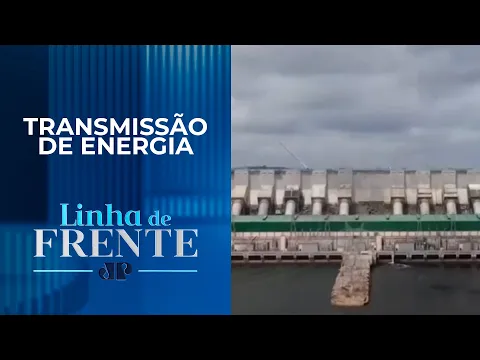

Economic and Social Impact of the Agreement with China
The Minister of Mines and Energy, Alexandre Silveira, emphasized the importance of this milestone not only for the energy sector but also for the daily lives of Brazilians. “This project goes beyond infrastructure; it directly impacts the lives of every citizen, ensuring access to electricity at fair prices and without interruptions,” said Silveira during the ceremony. This effort is part of a series of initiatives focused on Brazil’s energy transition, aiming for a cleaner and more renewable energy matrix.
-
Santa Catarina Launches $1.4 Billion, 145-Kilometer Highway Project with Six Lanes and Speeds Up to 120 km/h

-
Couple Transforms 1913 School into 370 m² Home with Four Bedrooms After $175,000 Purchase and Three Years of Renovation

-
Bamboo Houses Built in 7 Days for the Price of a Smartphone: 26 Survived Intact in Myanmar’s 7.7 Earthquake
-
Prefabricated Home Assembled in Days Offers Cleaner, More Efficient Construction with Factory-Made Panels, Requires Technical Design to Prevent Moisture Issues




Additionally, the expansion of installed capacity in the National Interconnected System (SIN) to 13,000 MW by 2027, mainly in the Northeast, will significantly strengthen national energy security and contribute to the economic and social development of the region.
A Futuristic Partnership with State Grid
Representing State Grid Brasil were notable figures such as Sun Tao, president of State Grid Brazil Holding (SGBH), and Jin Wei, vice president of SGCC (State Grid Corporation of China). They reinforced the company’s commitment to Brazil, mentioning plans to further expand their investments in the Brazilian energy sector.
“We are planning to invest an additional 200 billion reais in the coming years, covering not only transmission but also energy production and distribution, as well as projects focused on renewable sources and strategic minerals for our energy transition,” announced Sun Peng, CEO of State Grid Brasil, reflecting the company’s long-term confidence and investment in Brazil.

Long-Term Consequences and the Energy Future of Brazil
The initiative promises to transform the Brazilian energy sector, making it more integrated, robust, and sustainable. According to Minister Silveira, these efforts are not just about infrastructure, but also about “combating inequality and promoting socioeconomic development, generating quality jobs and income for our people.”
This project is a testament to Brazil’s ability to attract significant foreign investments and its dedication to modernizing and sustaining its energy infrastructure. The collaboration with State Grid serves as a powerful example of how strategic partnerships can drive the transition to a greener and more inclusive economy.
With this advancement, Brazil not only secures its position as a leader in energy transition in Latin America but also strengthens its power grid against future demands, ensuring a brighter and more sustainable future for all Brazilians.