






 Portuguese
  Spanish
 3 min of reading
  0 comments


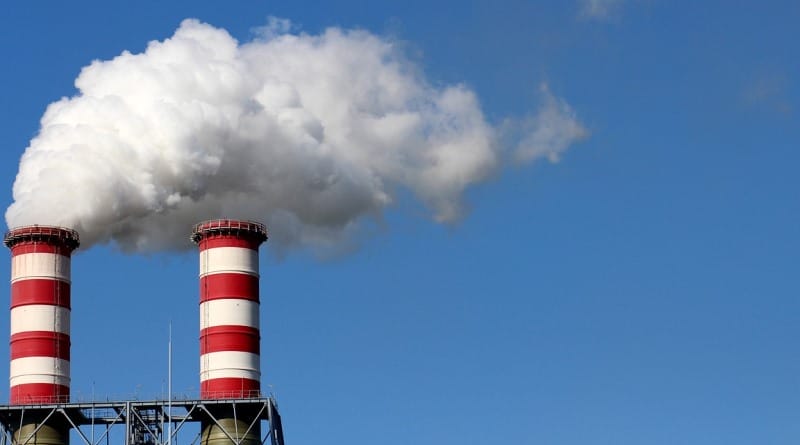
Report Reveals Growth of Solar and Wind Energy
Statkraft, a European leader in renewable energy present in 21 countries, presents the eighth edition of its annual report “Low Emissions Scenario.” The study forecasts a 69% reduction in CO2 emissions by 2050, with a significant increase in solar and wind energy, which will grow by 22 and 12 times, respectively, compared to current levels.
The Guidelines for Global Energy Transition
Developed with the expertise of over 50 specialists from all Statkraft subsidiaries, the report analyzes the trends and impacts of the global energy transition by 2050. According to the research, the world is on a path that limits global warming to less than 2°C. This progress is somewhat faster and more optimistic than projected in last year’s report.
The research emphasizes the exponential growth of solar and wind energy, driven by the competitiveness of these sources and supported by global energy security and the worldwide climate agenda. The full report can be accessed on Statkraft’s website: https://www.statkraft.com.br/sustentabilidade/lowemissions/.
-
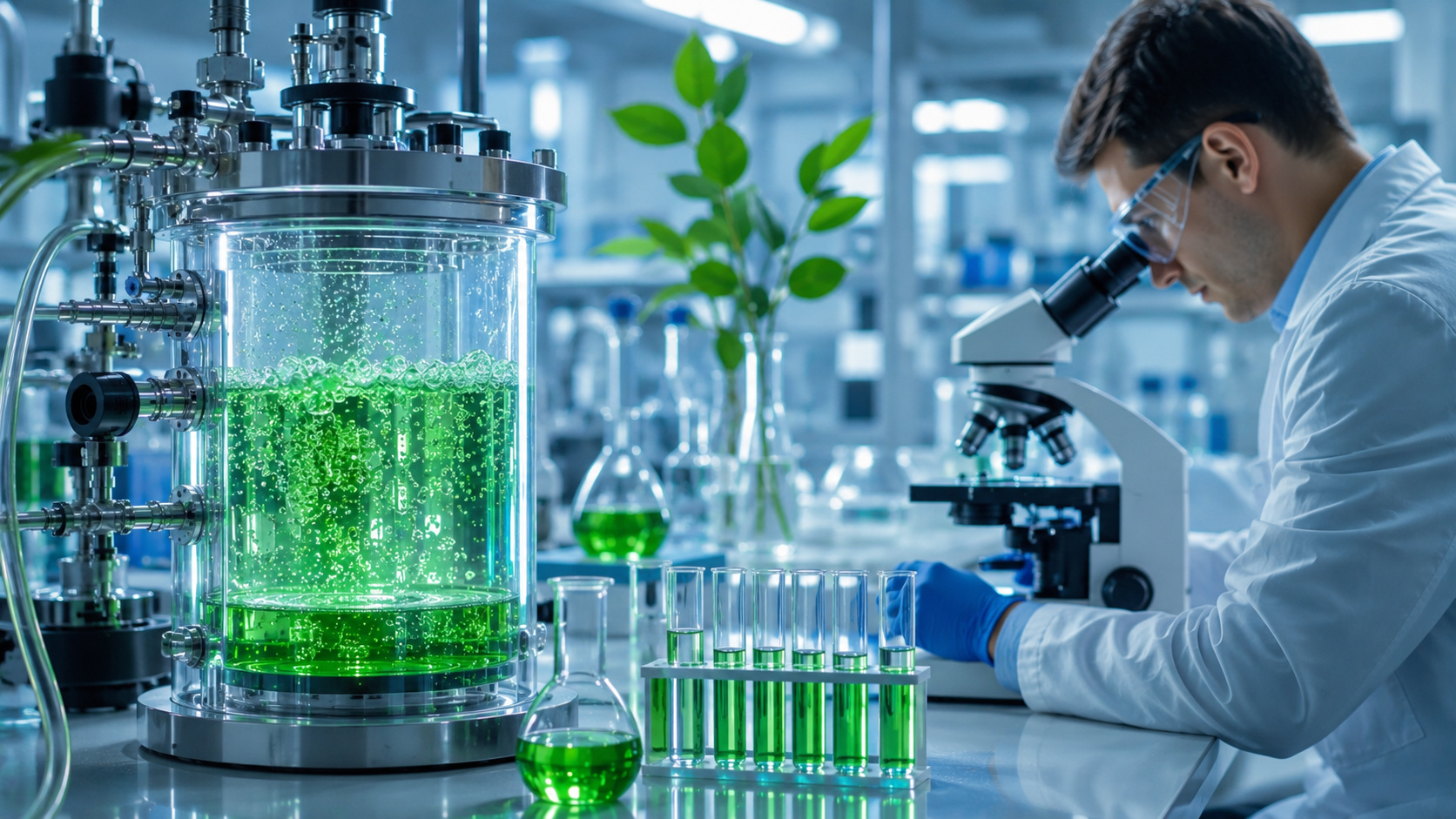
Brazilian scientists are simultaneously advancing two research projects on clean hydrogen and driving solutions that could transform the energy matrix, enhance industrial competitiveness, and accelerate large-scale emission reduction targets.

-
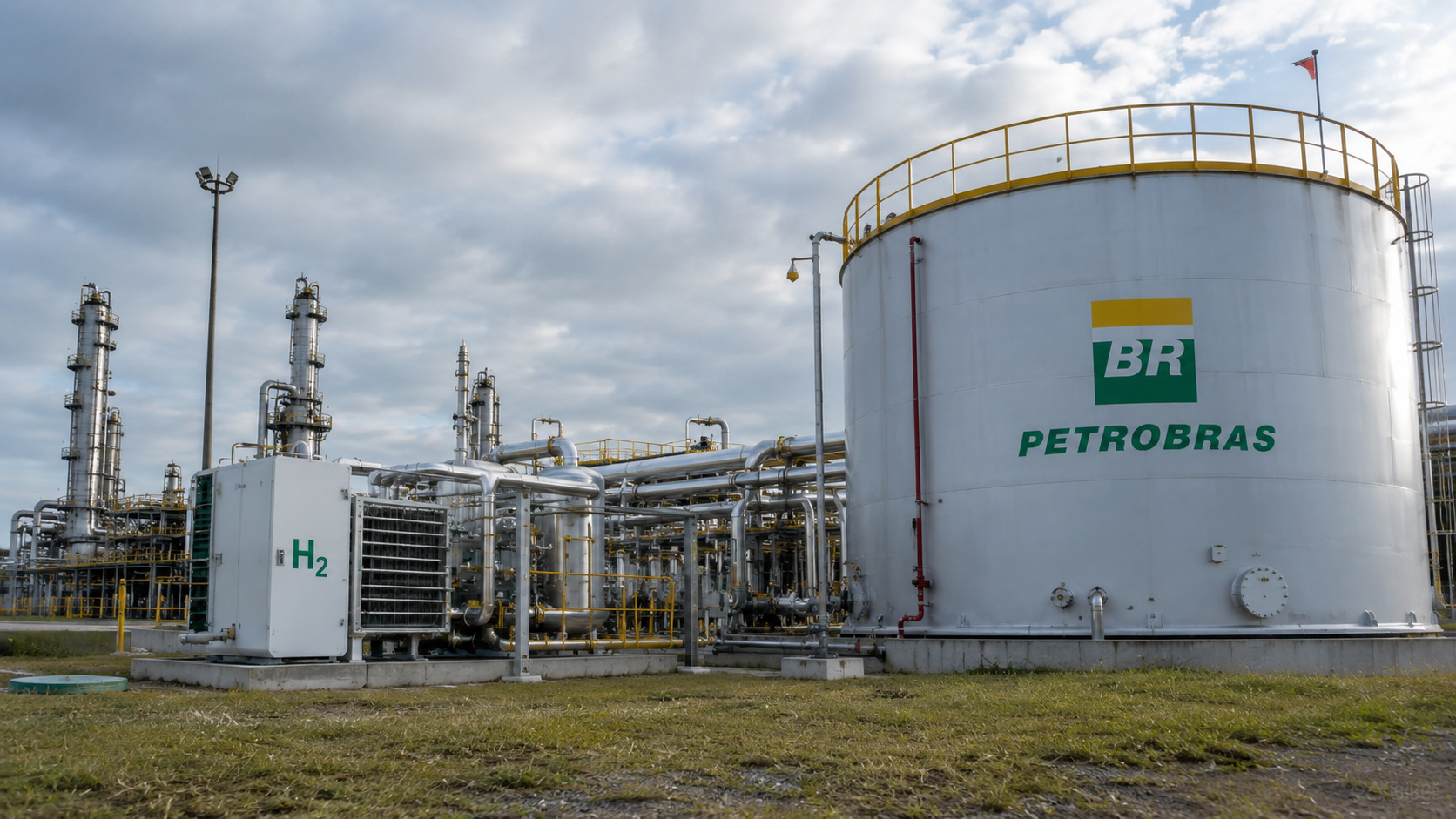
Advancement in renewable energy: A R$ 150 million project launched by Petrobras and Finep aims to create state-of-the-art electrolyzers for green hydrogen, strengthening national research and preparing Brazil to compete in a billion-dollar energy market.
-
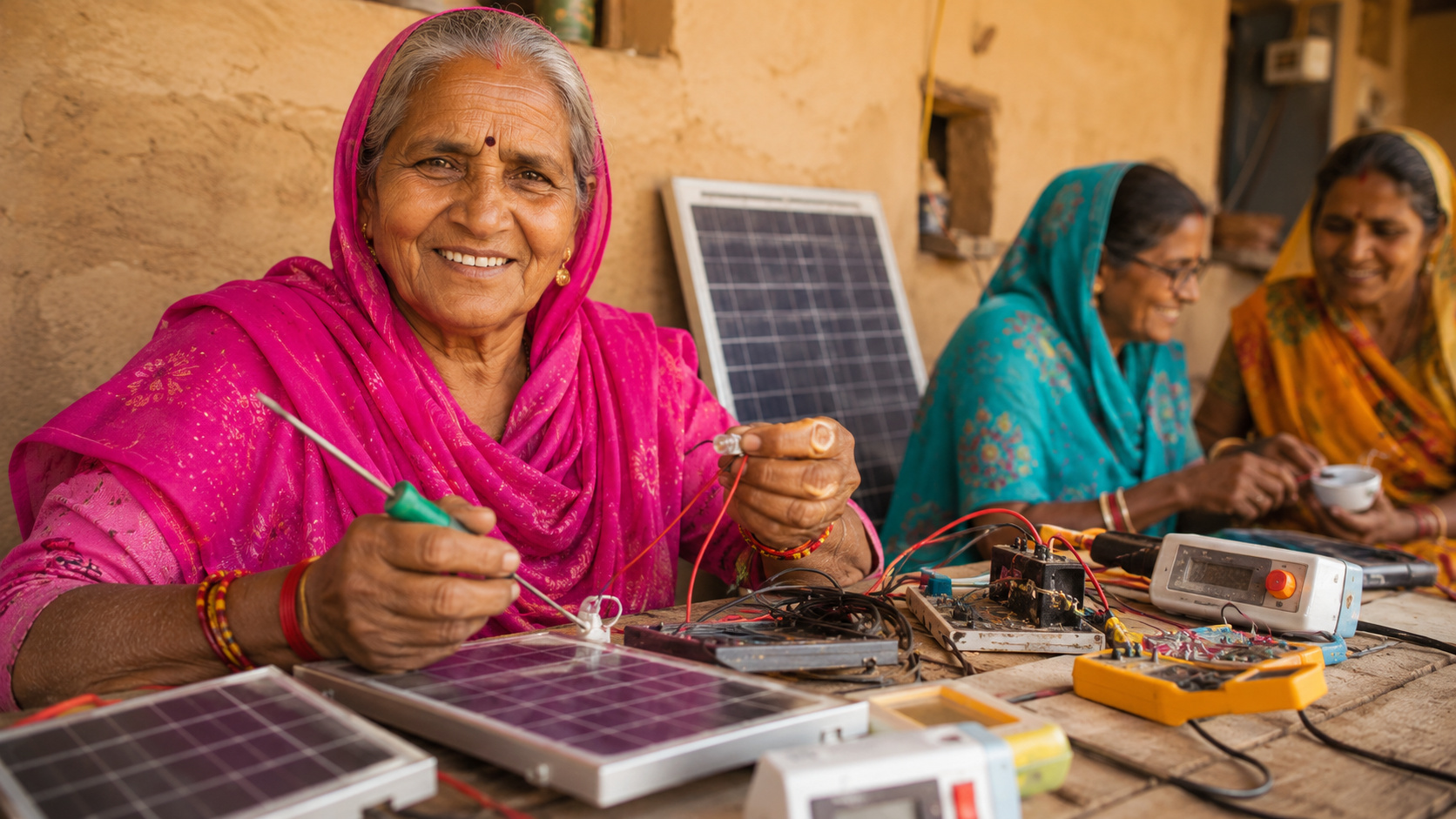
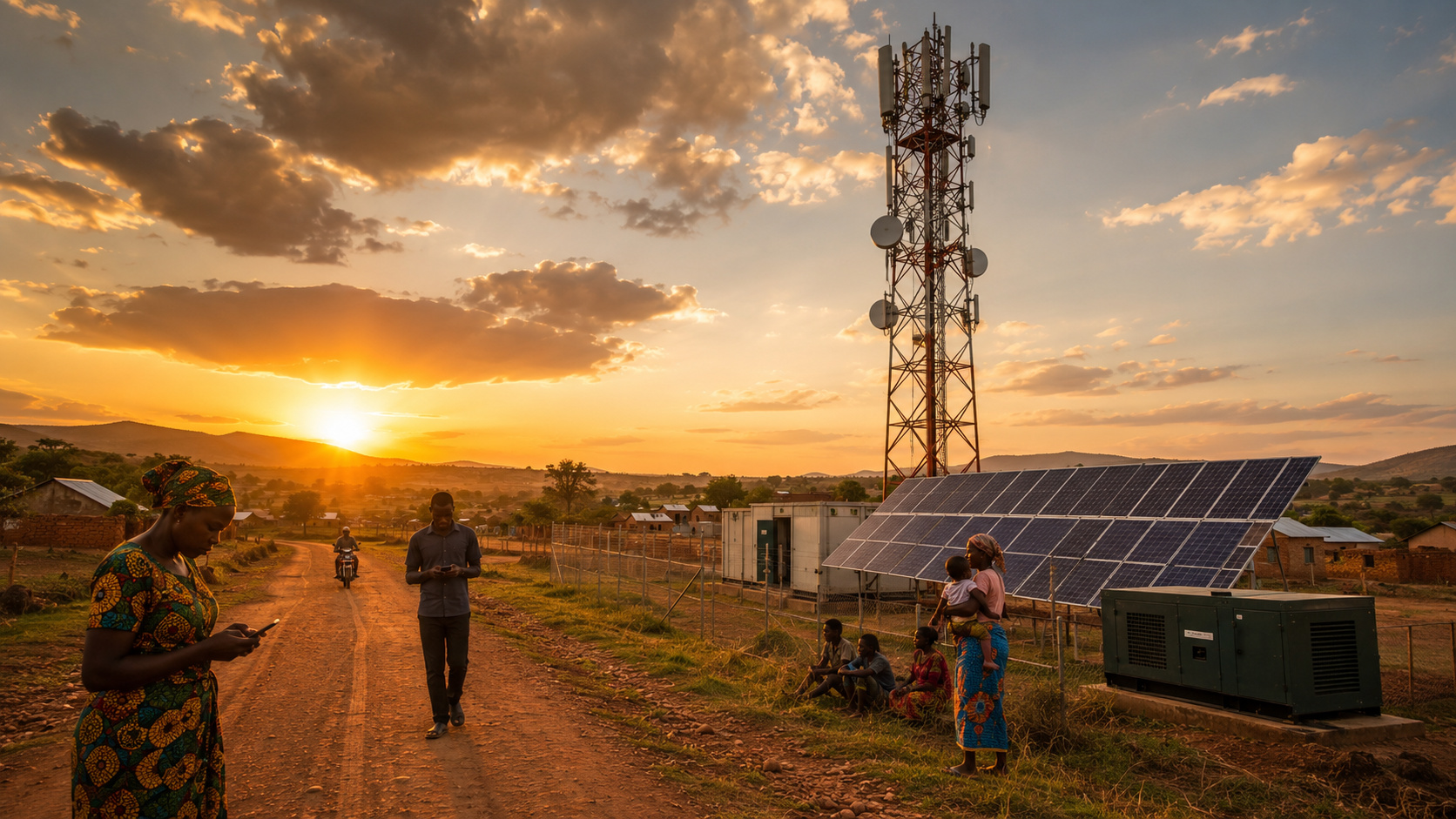
Illiterate or semi-literate grandmothers were trained to repair solar systems, open rural workshops, and light up homes that still depended on kerosene.
-
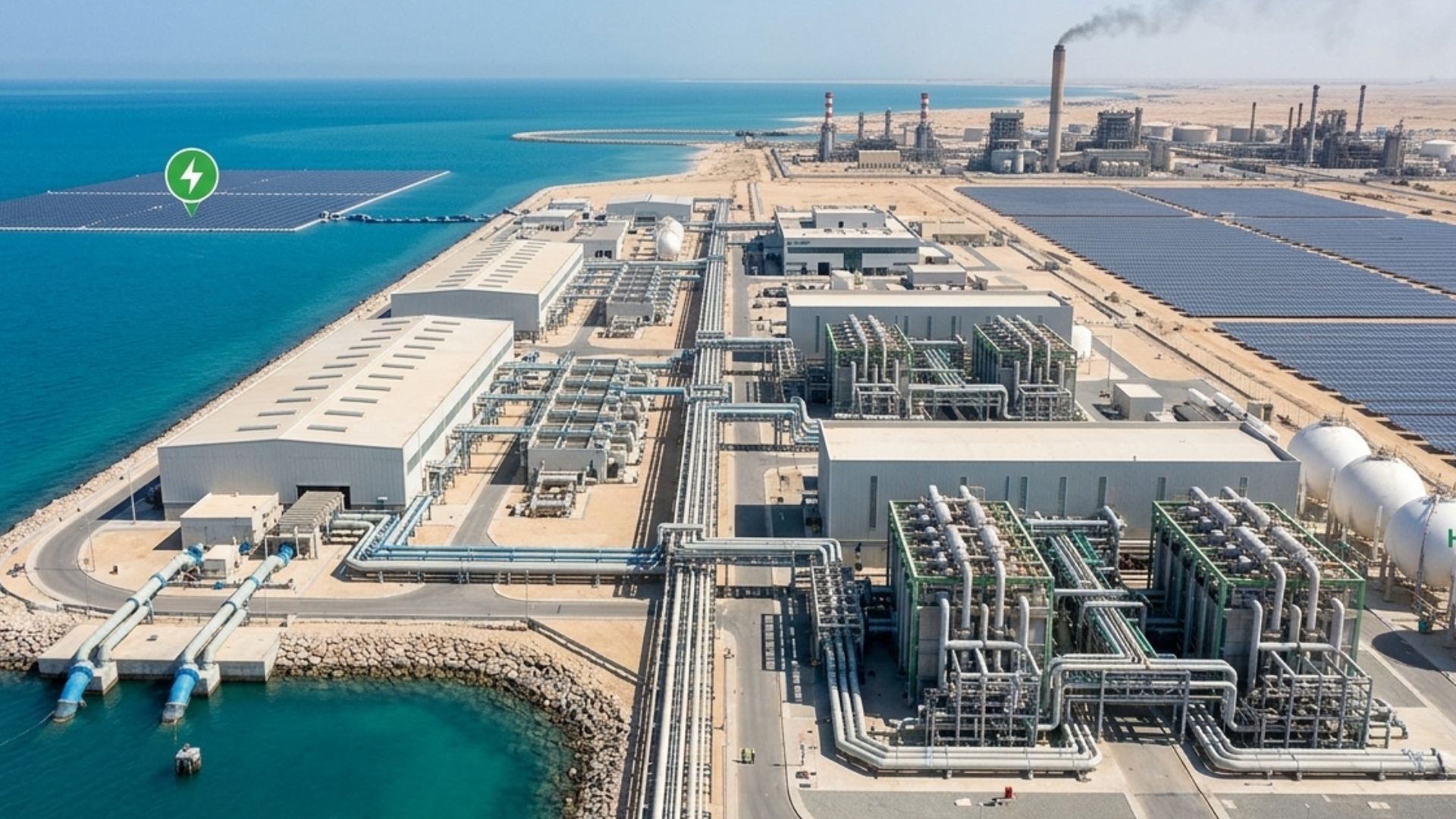
The world has bet on green hydrogen as the fuel of the future, but now faces the side effect: producing 1 kilogram requires about 9 liters of ultrapure water, and the largest projects on the planet are precisely in the driest regions of the Earth, where water is already scarce for people.

The Impact in Brazil and the Future of Renewable Energies
In Brazil, Statkraft observes a similar trend, with significant investments in solar and wind energy. Fernando De Lapuerta, CEO of Statkraft Brazil, highlights that the company continues its strategy of renewable investments in these two sources. In 2023, Statkraft Brazil received grants from ANEEL for solar projects and acquired two new wind farms in the Northeast.
The study also highlights the reduction of 69% to 89% in the cost of primary clean technologies, such as wind energy, solar energy, and batteries, over the past decade globally.
Challenges and Alternative Scenarios
Despite the optimistic outlook, the report acknowledges uncertainties and risks that could delay or increase the cost of the energy transition. For the first time, the document presents two alternative scenarios: the “Clean Technology Rivalry” scenario and the “Delayed Transition” scenario. These scenarios explore how geopolitical tensions and regional rivalries may affect the energy transition.
Christian Rynning-Tonnesen, CEO of Statkraft, states that despite the increase in geopolitical turmoil, the growth of renewable energies is robust and will continue. Solar and wind energy, along with batteries and electric vehicles, have significantly reduced costs, replacing fossil fuels and gaining priority on the international energy security agenda.
The Expansion of Statkraft
With over 5,700 employees in 21 countries, Statkraft is an international leader in hydropower and the largest generator of renewable energy in Europe. The company has been present in Brazil since 2009 and has its headquarters in Florianópolis, Santa Catarina. Currently, it controls 18 renewable generation assets in Brazil and recently acquired two wind farms from EDP Renewables in Rio Grande do Norte.
Statkraft is a pioneer in providing traceable renewable energy with guarantees of origin in Brazil, certified by I-REC. This commitment underscores the company’s dedication to operating sustainably and contributing to a cleaner and more efficient energy future.
The “Low Emissions Scenario” report from Statkraft is a valuable contribution to global knowledge on energy trends and scenarios, shaping the energy future with a focus on sustainability and innovation.
Source: Isadora Diniz.




Be the first to react!