






 Portuguese
  Spanish
  2 min of reading



Stellantis Is Developing And Testing A New Technology That Could Change The Future Of Electric Cars, Once And For All Overcoming Range Issues And Charging Delays.
Part of the future of the automotive market lies in electric cars, however, the range and recharging of these vehicles are points that need to be addressed. The Arrival Of A New Technology From Stellantis Could Completely Change This Scenario. The Stellantis automotive group is testing a track where electric cars are charged simply by driving over specific roads designed to charge without using any cables or wires.
Stellantis Technology Uses Inductive Charging
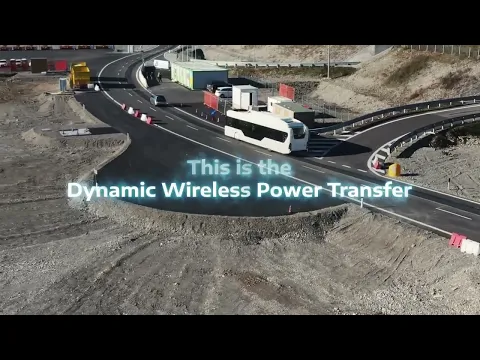

The Stellantis innovation is named Dynamic Wireless Power Transfer, or DWPT, a system of coils installed under the road, responsible for transferring energy to electric cars directly, without needing to stop at charging stations.
The new technology can adapt to any model through a special receiver, which carries energy generated from the road infrastructure directly to the electric motor, enhancing its range and preserving battery charge.
-
Uber Faces Shareholder Scrutiny as Board Accused of Ignoring Safety, Compliance, and Harassment Warnings Amid Over 3,500 U.S. Lawsuits

-
Ferrari’s First Electric Car Divides Fans, Priced at $630,000, Amid Concerns Over Limited Editions; Brand Clarifies It’s Not Just for Future Perks
-
BYD Dolphin Mini: The Electric Car That Defies Depreciation, Losing Only 3.58% in a Year and Becoming the Best-Selling Retail Model Under $22,000

-
Electric Car JAC E-JS4 Loses $19,000 in Value in One Year, Leading Record Depreciation of Used Cars in Brazil Due to Expensive Battery and New Models


The Stellantis pilot project is organized by A34 Brebemi, a company of the global transport infrastructure operator, focused on solutions in the automotive market. The work at the “Arena of The Future” shows that a BEV, such as the Fiat e-500, a brand belonging to Stellantis, is ready to test the new technology, achieving typical road speeds without consuming the battery’s energy.
Volvo Also Starts Testing Wireless Charging For Electric Cars
In addition to Stellantis, the Volvo multinational has also started testing charging solutions in Sweden. The test studies the possibility of charging an electric car simply by leaving it in a parking space.
The company’s models feature a modified lithium-ion battery, and their design is similar to that of batteries used in laptops and electronics.
When it comes to these devices, the lithium battery can be charged without using any wires, employing inductive charging, similar to what Volvo and Stellantis are testing in electric cars.
Delays In Charging Electric Cars May Disappear
In the United States, the company Magment has developed magnetized concrete that assists in recharging an electric car while it is in motion, to prevent the driver from having to wait for many hours to recharge the vehicle.
The company aims to develop, design, and install this type of concrete, capable of charging vehicles with 95% efficiency.





Be the first to react!