Portuguese
  Spanish


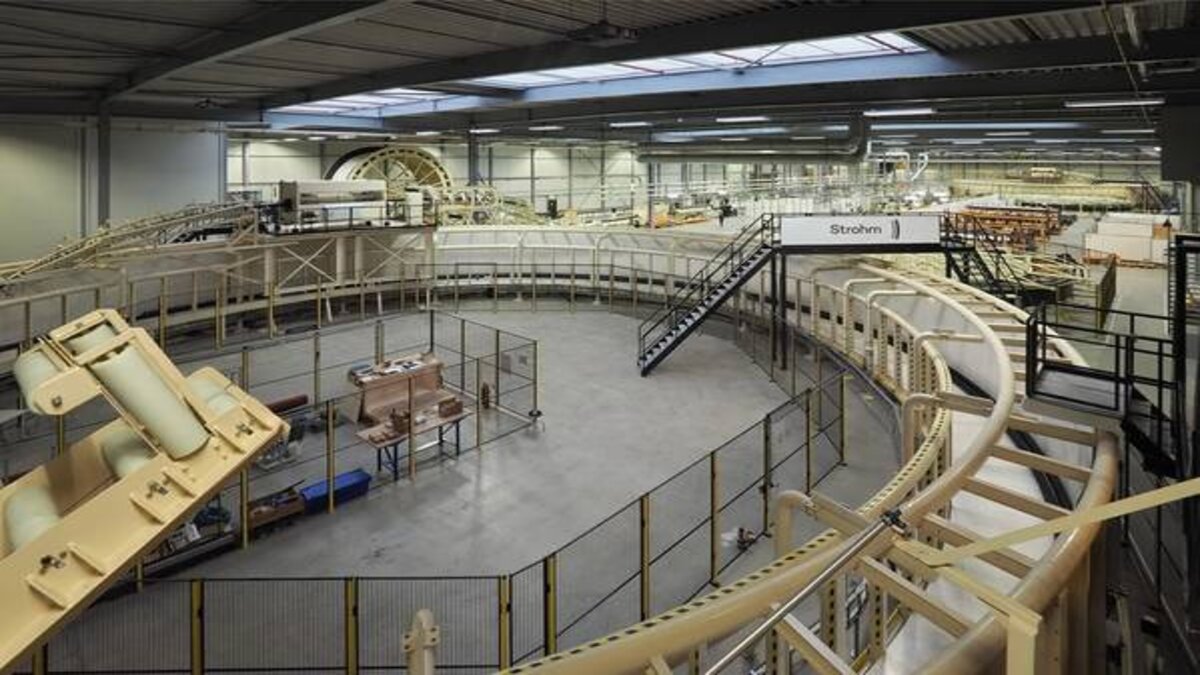

Thermoplastic Pipe Manufacturer Strohm Arrives in Brazil Betting on Its Products to Generate New Jobs and Mitigate CO2 Emissions
Last Thursday (19), Brazil made space for Strohm to open one of its branches on Brazilian territory. The chosen state to welcome such a large company was Rio de Janeiro. Many might not recognize it by this name, considering there was a change in its nomenclature. Previously, it was called Airborne Oil & Gas, and later received the name Strohm. However, despite having its name changed, the company continues its work in the same sector, developing thermoplastic composite pipes (TPC). Its arrival in the country could generate new jobs after its stabilization.
Read Other Articles:
What Is the Reason for Strohm to Open a Branch in Brazil to Sell Thermoplastic Pipes?
Initially, the expectation for the company to conduct business in Brazilian territory is to proceed with a confidential contract. So far, the company has not disclosed what it is about or which company it would be contracting with. In fact, little is known about this arrival, but it is expected to be quite positive and prosper in the Brazilian market, generating jobs in the future.
For the next 12 months, ten more people residing in Rio de Janeiro will be hired to provide assistance in engineering. Other job openings will be made available later to attract more clients, helping Strohm sell more and meet its monthly targets. However, these openings may take some time, considering that some adjustments need to be made.
-
Eni Acquires 25% Stake in Chilean Lithium Project, Plans to Invest Up to $225 Million in Eco-Friendly Extraction Method

-
French Brand Transforms 6 Million Brazilian PET Bottles into Sustainable Sneakers for Global Fashion Market
-
Abandoned Factory in Rio’s North Zone Becomes Urban Hazard with Standing Water and Debris

-
The U.S. Navy Conducts Submarine Tests in Idaho Lake to Detect Underwater Noises Hidden by the Ocean


But for business to bring positive results, it is necessary for a good manager to run the place. With over 20 years of experience in the energy industry and having been the vice president of Strohm in Brazil for three years, Renato Bastos is the chosen name to lead this business and sell as many thermoplastic pipes as possible.
“With Brazil’s ultra-deepwater market growing and a rising number of independent operators acquiring Petrobras fields, we see opportunities both in the highly demanding pre-salt applications and with independents in mature fields. We are in a strong position to leverage these opportunities. Our thermoplastic pipes are perfectly suited as they are non-corrosive and robust, offering up to a 60% reduction in CO2 footprint compared to steel alternatives. They also reduce installation costs as they are very lightweight,” reveals Bastos.
The Thermoplastic Pipe Industry in Brazil
Due to their design, thermoplastic pipes offer greater cost-effectiveness upon installation. Moreover, their flexibility allows them to be used in various locations. However, it all depends on how they will be installed. Commonly, these objects are installed on vessels but do not require any elements for use during installation.
Following this model, there will be a reduction in both costs and CO2 emissions. A partnership between Strohm, Total, and ExxonMobil has been established so that tests can be conducted, where thermoplastic pipes would be subjected to high temperatures as well as high pressures. So far, this has been the only information disclosed to the public. As for job openings, these may still take some time to materialize.