Portuguese
  Spanish


Students develop chocolate for diabetics with selected ingredients and advance in research focused on healthy eating.
The search for more suitable food alternatives for those living with diabetes motivated a group of students from the interior of Bahia to develop a product that combines scientific research and nutrition. In Ipiaú, young people from the Biotechnology technical course at the Médio Rio das Contas Territorial Center for Professional Education (Cetep/MRC) created an experimental chocolate designed for people with type 2 diabetes. The project, named ChocoMed, is in the study and testing phase, but it is already attracting interest for its proposal to use selected ingredients to reduce the impact on blood glucose levels.
The initiative was led by Lívia Bispo, 17, Elias Costa, 18, and Adígena Neta, also 17, under the guidance of Professor Lucas da Conceição. The work began approximately a year ago and arose from the students’ concern about a condition that affects millions of Brazilians. According to information from the Brazilian Diabetes Society, more than 13 million people currently live with the disease in the country, a number that represents 6.9% of the national population.
ChocoMed: The challenge behind the product creation
Even before reaching the current formula, the team had to go through a long research phase. The goal was to identify components that could be part of a chocolate aligned with the project’s proposal.
-
Scientists Develop Needle-Free Insulin That Penetrates Skin, Reduces Glucose in Animals Within an Hour, Paving the Way for Diabetes Patches and Creams for Humans

-
After 40 Years of Research, Powdered Coconut Water to Be Produced in Brazilian Biorefinery, Aiming to Revolutionize Health for Children, Elderly, and Hospital Patients
-
Queen Guitarist Brian May Collaborates with ESA Scientists to Study Asteroids Bennu and Ryugu Using 3D Simulations
-
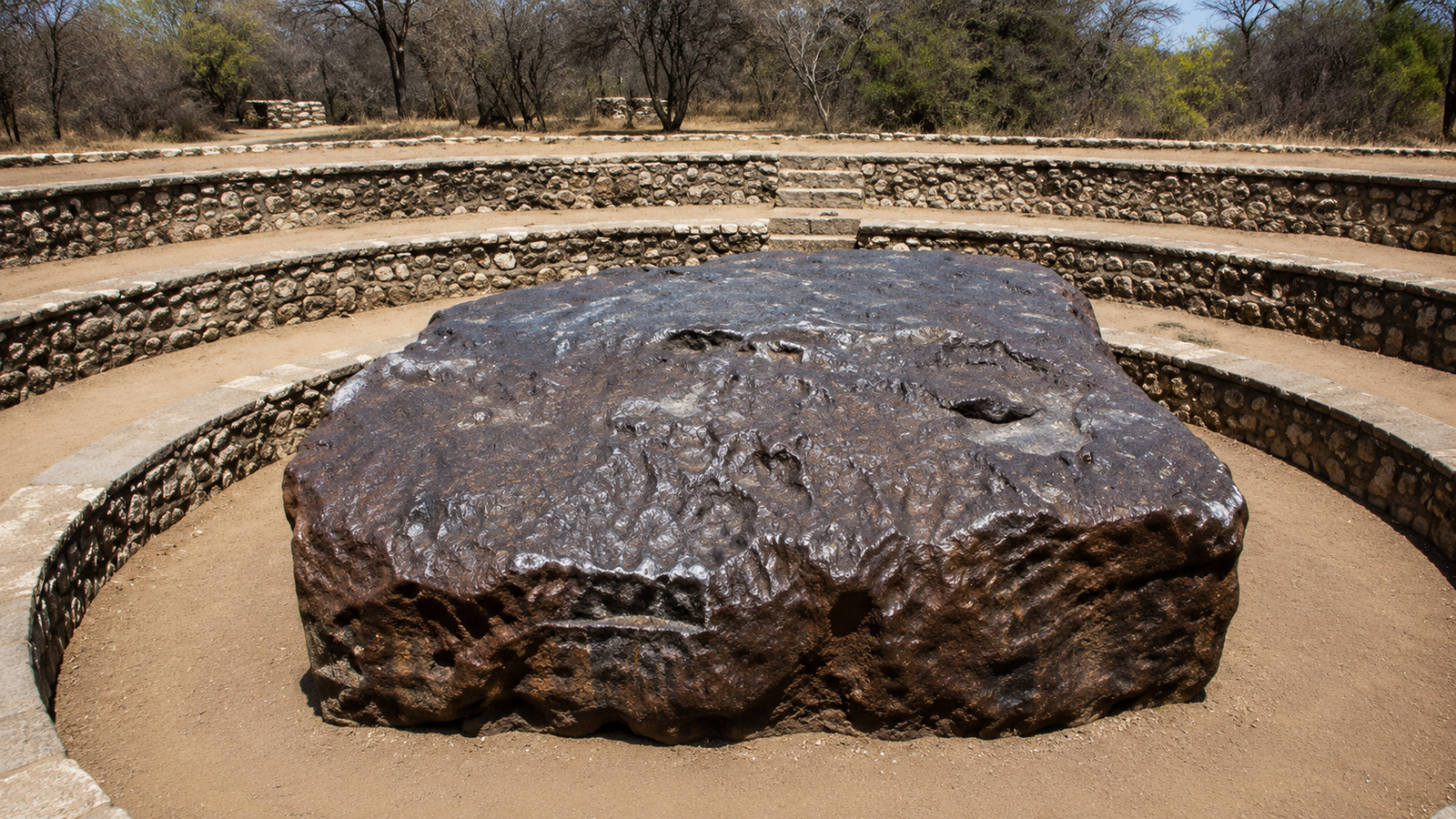
Largest Known Single-Piece Meteorite, Weighing 60 Tons, Puzzles Scientists with Its Intact Fall and Lack of Visible Crater


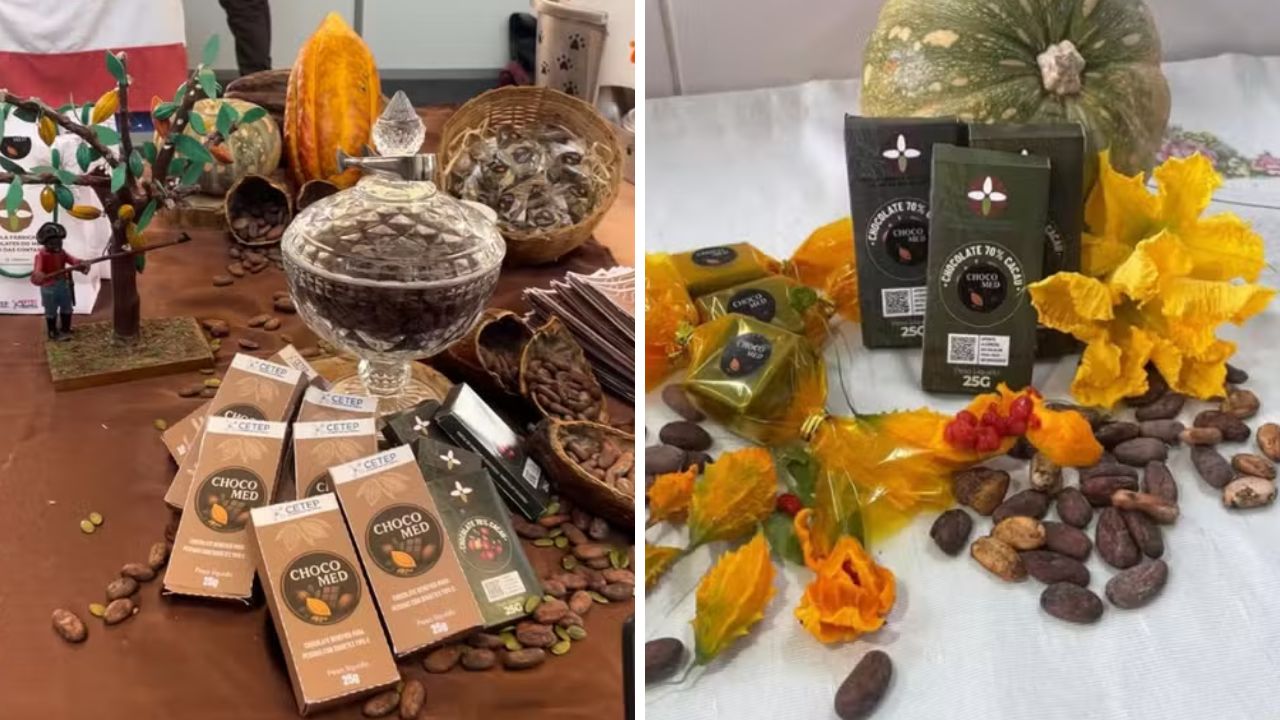
According to Lívia Bispo, the development required in-depth study of ingredients and production methods. The student reported that the team sought to understand which elements would be most suitable for the intended audience and how to transform them into a viable product. The result was achieved only after successive evaluations, adjustments, and reformulations.
The formulation created by the students brings together selected ingredients during the research process. Among them are:
- Cocoa with a 70% concentration;
- Cocoa butter;
- Flour produced from pumpkin seeds;
- Bitter melon pulp;
- Lactose-free powdered milk;
- No added sugar.
The proposal is to use components with characteristics considered more suitable for people who need to monitor their blood sugar levels.
Although the product is still in development, initial tastings have already been conducted. Meanwhile, the students are monitoring a control group to observe possible effects related to the consumption of the chocolate.
Balancing flavor and health was one of the biggest challenges
Turning an idea into a consumable food brought challenges that go beyond scientific research.
According to Adígena Neta, one of the most complex stages was finding a balance between nutritional quality and flavor. The student explained that it was necessary to analyze each ingredient separately before defining the combination used in the formula.
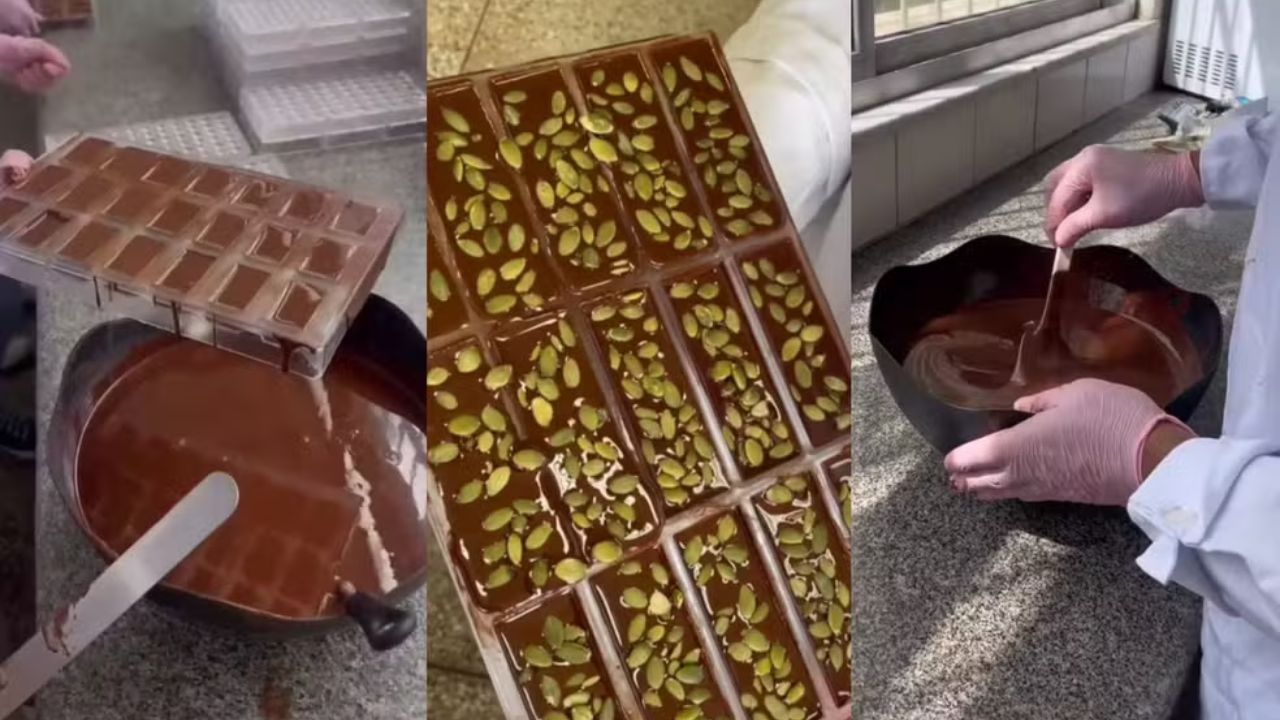
The team’s concern was to avoid that the focus on health would compromise the acceptance of the product by those who would consume it.
This process required several tests until the students reached a version considered closer to the goals set at the beginning of the project.
How does diabetes influence dietary choices?
Endocrinologist Ana Mayra highlights that type 2 diabetes is a chronic disease associated with an increase in the amount of sugar circulating in the blood.
According to the doctor, this can happen due to two main factors:
- Decreased insulin production by the body;
- Resistance to the action of this hormone.
In explaining the condition, the specialist compared insulin resistance to the presence of a barrier that prevents the hormone from functioning properly, even when it is being produced.
The endocrinologist also pointed out that excess weight is among the risk factors related to the development of the disease.
Commenting on the initiative, Ana Mayra noted that products with a higher concentration of cocoa tend to have a lesser impact on glycemia when compared to conventional chocolates.
Even so, she issued an important warning: consumption should not occur without control or professional guidance.
“The higher the cocoa content, the lesser the impact on glycemia, but it cannot be consumed absolutely freely,” she emphasized.
The doctor also positively evaluated the presence of fiber-rich ingredients in the product’s composition. According to her, this type of component can help delay the absorption of certain foods and increase the feeling of satiety.
On the other hand, the specialist highlighted that additional studies are still needed before any specific benefit can be attributed to the chocolate developed by the students.
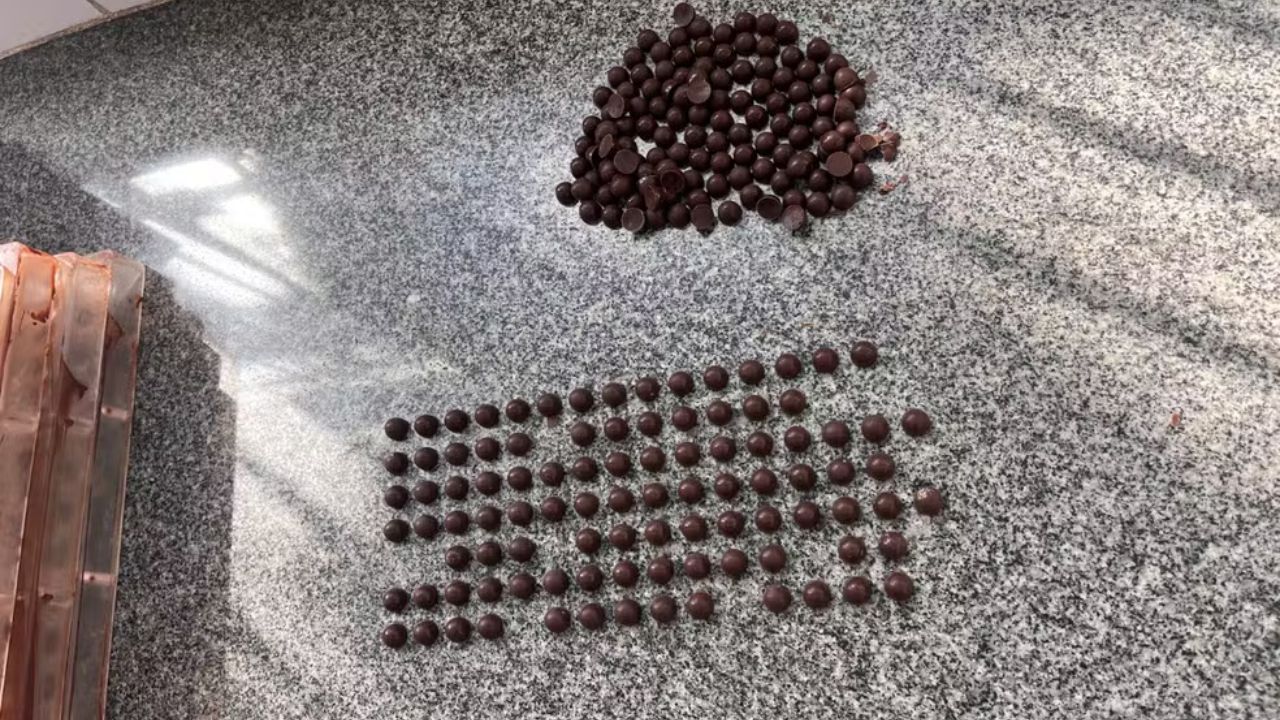
The difference of the chocolate created by the students
For professor Lucas da Conceição, responsible for guiding the project, one of the most relevant aspects lies in the compounds present in the chosen ingredients.
According to him, scientific studies indicate that certain bioactive substances can assist with processes related to metabolic regulation and glucose level control. This characteristic motivated the choice of some components used in the formulation of ChocoMed.
However, the team emphasizes that research is still ongoing. Even with the advances achieved so far, the chocolate is not yet ready to hit the market.
The students’ intention is to expand the research and transform ChocoMed into a product line in the future. Additionally, the group aims to deepen studies related to cocoa and highlight its economic, historical, and nutritional relevance.
According to Elias Costa, commercialization will depend on important steps that still need to be completed, including new studies, obtaining a patent, and seeking investors and sponsors. Meanwhile, the students remain dedicated to refining the proposal.
ChocoMed: More than a chocolate, an awareness initiative
In addition to product development, the group claims that the project has an educational mission. The intention is to stimulate reflection on eating habits and show that it is possible to seek health-oriented alternatives without completely abandoning the pleasure of consuming certain foods.
According to Adígena Neta, the proposal also aims to encourage the adoption of a balanced diet and broaden the debate on more conscious choices.
Still in the experimental phase, ChocoMed represents the result of a year of research conducted by students from Bahia who decided to apply scientific knowledge to a topic that affects millions of people. The commercial future of the product will still depend on new stages, but the initiative already demonstrates how education and research can contribute to the development of health-oriented solutions.
Source: g1