Portuguese
  Spanish


The interaction between humans and ancient pathogens created an immunological memory that continues to influence health and susceptibility to diseases today.
The study of a bacterial strain that remained dormant for thousands of years revealed that this ancient pathogen never ceased to influence human genetic evolution.
Researchers identified that prolonged interaction with the millennial bacterium shaped the immune system of modern populations, even during periods when the disease seemed to have disappeared from historical records. The discovery about the millennial bacterium alters the understanding of how past epidemics continue to dictate the human body’s biological responses to contemporary threats.
Silent persistence in the human genome
Through the analysis of ancient DNA extracted from skeletal remains, scientists mapped how the millennial bacterium forced specific mutations in genes related to inflammatory resistance.
-
Brazilian Startup Converts Tucumã Seeds into Bioplastic for Bicycle Pedals, Cups, and Construction Materials

-
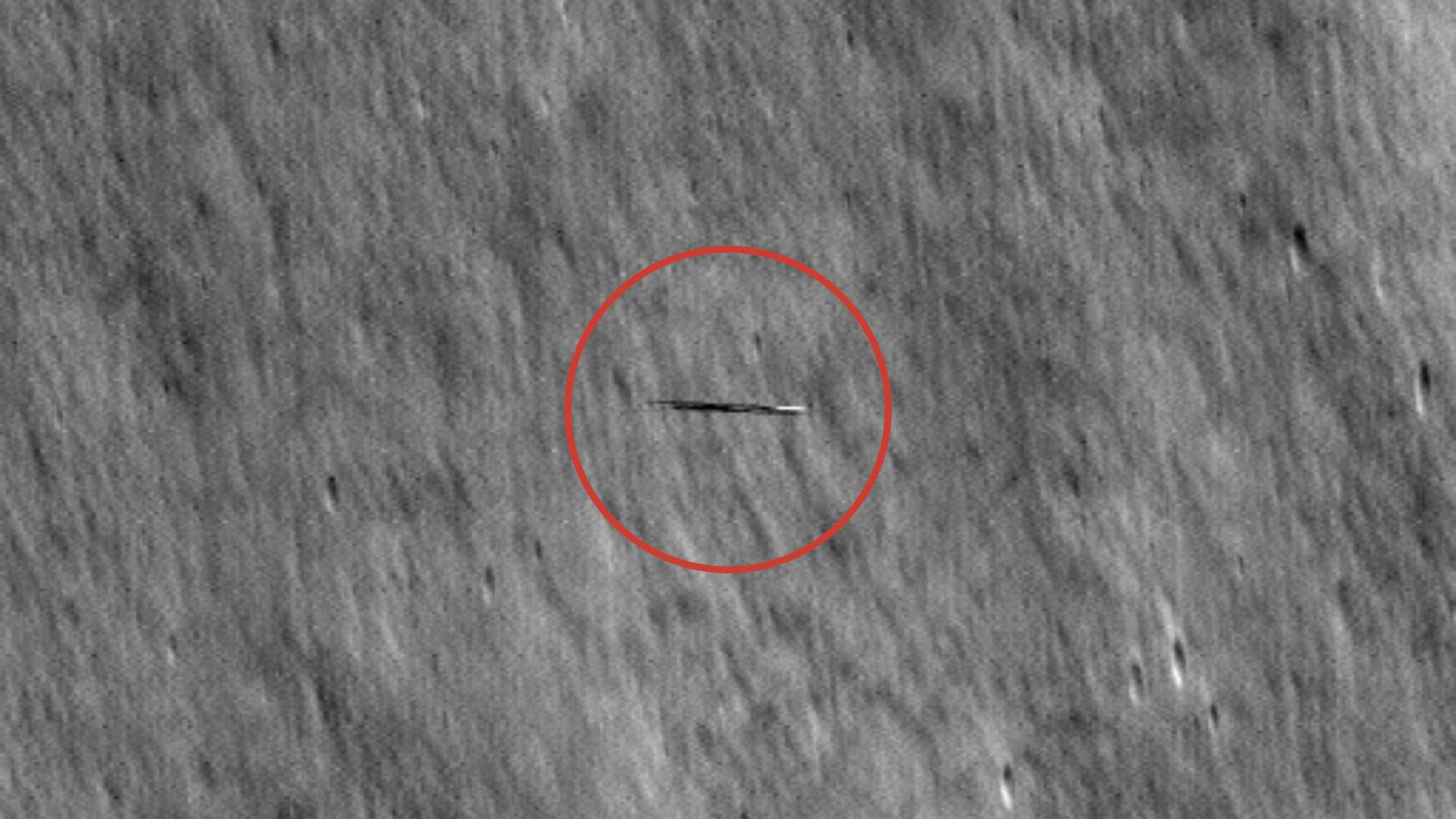
NASA Captures Rare Encounter of South Korean “Surfboard” Spacecraft Crossing Lunar Orbit at Over 11,000 km/h

-
Germany Opens World’s Largest Smart Power Semiconductor Factory with €5 Billion Investment, Creating 1,000 Jobs and Doubling Capacity for AI and Energy Needs

-
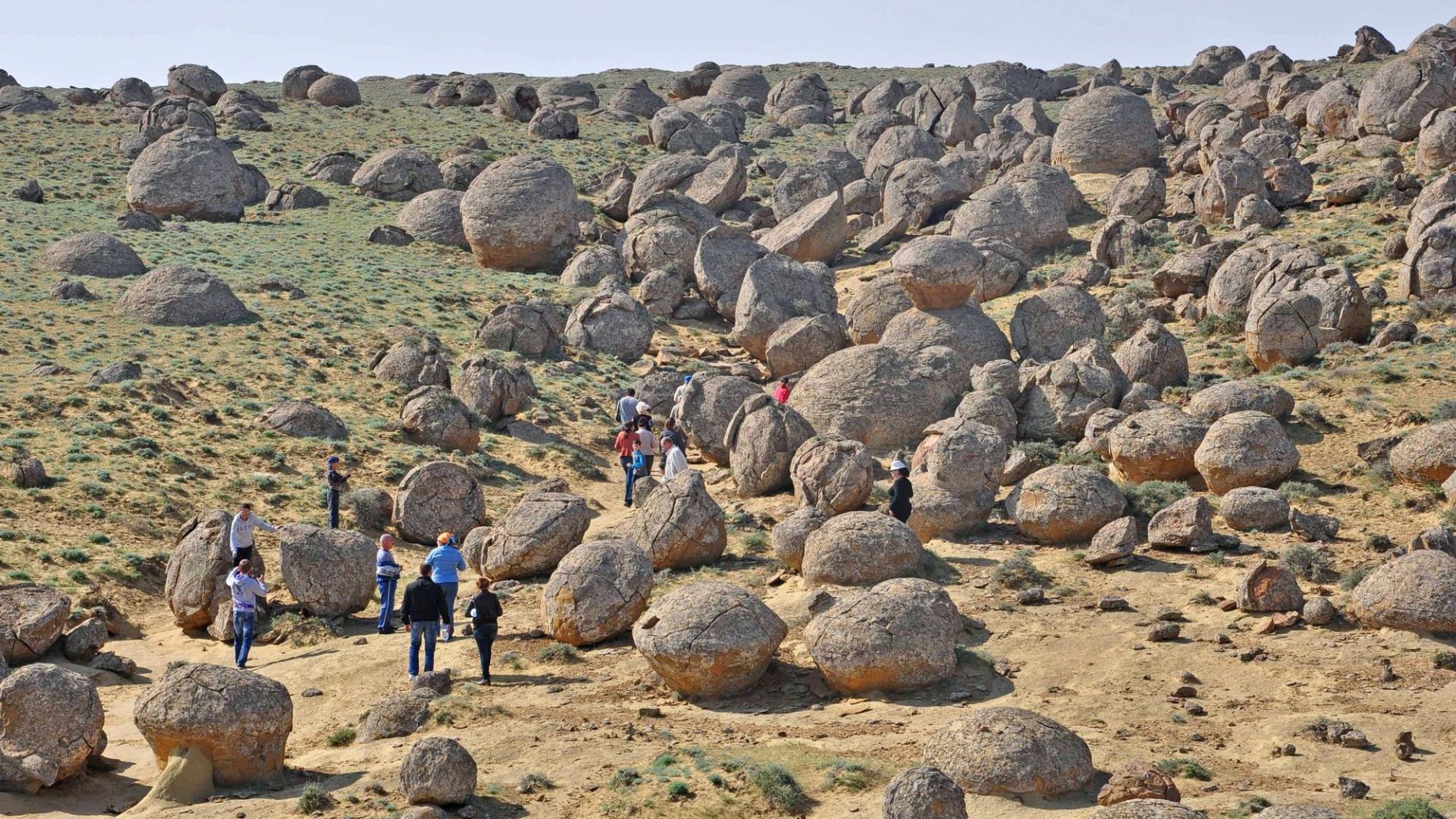
Kazakhstan’s Torysh Valley Holds Thousands of Giant Stone Spheres, Intriguing Scientists with Ancient Oceanic “Cannonballs”

These genetic changes were passed down from generation to generation, serving as a kind of collective “immunological memory.” The study demonstrates that the presence of the millennial bacterium was not just an isolated event of mortality, but a constant pressure that selected individuals with more robust natural defenses.
The research points out that, although the pathogen has “dormant” in terms of mass epidemic outbreaks, its molecular signature remains alive in the genetic code of current populations. This silent adaptation explains why certain human lineages exhibit varied responses to autoimmune diseases and modern infections.
By investigating the millennial bacterium, the team of experts managed to connect prehistoric outbreaks with current susceptibility to chronic health conditions, revealing an invisible biological legacy.
Re-evaluating the impact of historical diseases
The revelation that a pathogen can dictate human biology for millennia forces science to re-evaluate the role of great plagues in the formation of civilization. Unlike previous theories that focused only on immediate deaths, the new data show that the millennial bacterium acted as a long-term genetic architect.
Monitoring genomic traces indicates that the resistance developed against this millennial bacterium may have generated, as a side effect, greater vulnerability to other types of pathogens in the present.
Understanding these cycles of host-pathogen interaction is crucial for the development of personalized treatments based on patients’ ancestral profiles. The study highlights that the history of human health is not a straight line of progress, but a mosaic of survival sculpted by ancient microorganisms.
Investigating the survival mechanisms of the millennial bacterium provides fundamental clues about how future pathogens may permanently alter our species.
Genomic technology and the future of medicine
The use of state-of-the-art sequencing techniques allowed the observation of genetic variations that were previously considered statistical noise. These evidences reinforce the thesis that the millennial bacterium operated as a severe evolutionary filter, eliminating less resilient lineages over the centuries.
The detailed mapping of mutations revealed a complex defense structure that still today regulates how the human body recognizes external invaders.
The next steps of the investigation aim to determine if other diseases forgotten by history also left deep marks on our biology. Understanding the longevity of this millennial bacterium’s influence provides a new perspective on the co-evolution between humans and microbes. Continuous monitoring of these genetic records will serve as a map for the medicine of the future, proving that the biological past is never truly silent and continues to dictate our lives.
Click here to access the study.