






 Portuguese
  Spanish




The Honda CR-V with 2.0 Naturally Aspirated Engine Was Discontinued in Brazil in 2018, But Became a Favorite Among Those Looking for a Reliable SUV Without Turbo and with Civic Maintenance.
In a market where turbo SUVs have dominated, some look back and prefer the simplicity, reliability, and comfort of a good Japanese naturally aspirated engine. And that’s where the previous generation Honda CR-V, with a 2.0 naturally aspirated engine and conventional automatic transmission, comes into play — missing from dealerships since 2018 but increasingly sought after in the used market. For many, the CR-V is more than just a mid-sized SUV: it is a spacious and elevated version of the Civic, with all the tradition of Japanese engineering and an impeccable durability record. Launched in Brazil in 1998 and produced until mid-2018, the model has crossed generations without giving up what made it famous: robust mechanics, generous space, smooth driveability, and uncomplicated maintenance.
Today, those in the know understand: finding a Honda CR-V 2.0 naturally aspirated in good condition is fiercely competitive.
ARTICLE CONTINUES BELOWSee also
Banco do Brasil and Uber Launch Cashback Program Offering Up to 3.5 Loan Installments Back, Drivers Gain Access to New Cars Worth Up to $30,000 Through Move Brasil Initiative

Looking for a Car for Dirt Roads? Fiat Uno, Strada, and Volkswagen Gol Offer Durability and Affordability

MG Motor to Produce Two Electric Cars in Brazil with $75 Million Investment, Creating 600 Jobs
Nissan Kicks S Direct 2018: Affordable Used SUV with Over 13 km/l Fuel Efficiency, 432-Liter Trunk, and CVT Automatic Transmission


Left the Scene Quietly, but Left a Nostalgia
The last generation sold in Brazil with a 2.0 naturally aspirated engine was the fourth, produced between 2012 and 2016, and kept in stock until 2018. It used the well-known R20A2 2.0 16V i-VTEC engine with 155 hp (gasoline), which was already established in the Civic LXR.
The transmission was a conventional five-speed automatic — no CVT, no dual-clutch, no fuss — and fuel consumption was reasonable for a mid-sized SUV with front-wheel drive: about 10.5 km/l on the highway with gasoline, according to Inmetro data.
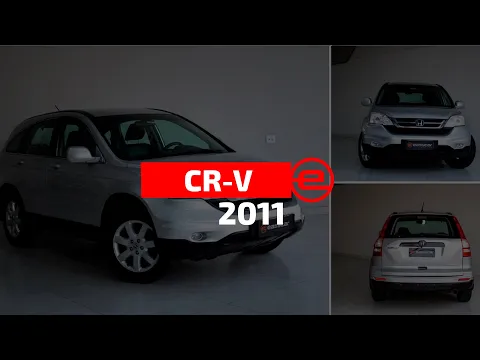

With a clean design and spacious interior, the CR-V was never about luxury, but rather about trust. And that’s exactly why, years after leaving the dealerships, it remains valued in the used car market.
Reasons Why the CR-V 2.0 Naturally Aspirated Is So Sought After
1. Reliable Engine and Civic Maintenance
The heart of the CR-V is the same as the one used in the Civic 2.0, which means that maintenance is simple, inexpensive, and there are plenty of parts available in the national market. The engine works well on gasoline or ethanol, requires only basic care, and is known to run over 300,000 km without opening the block.
2. Traditional Automatic Transmission
No CVT, DSG, or PowerShift. The CR-V uses a traditional 5-speed automatic, reliable and inexpensive to maintain. Oil changes every 40,000 km (with original ATF fluid) ensure a long life for the transmission.
3. Generous Interior Space
At 4.53 meters in length and 2.62 m in wheelbase, the model offers a spacious rear seat and a trunk of 589 liters, perfect for families. The flat rear floor enhances the comfort of rear passengers.
4. Reputation for Indestructibility
Even with over 10 years of use, the CR-V usually doesn’t cause headaches, as long as the maintenance history is up to date. Reinforced suspension, resilient engine, durable components, and an after-sales service that doesn’t break the bank.
5. Exempt from the “Turbo Syndrome”
Those who prefer naturally aspirated engines shy away from current SUVs with 1.0 or 1.3 turbo engines. In the CR-V, there are no turbos to break, valves to carbonize, or turbines to inspect. Just get in and drive.
Main Versions and What to Look For
The most commonly found versions between 2012 and 2016 are:
- CR-V LX 2WD: more basic, but already with digital air conditioning, electric steering, ABS brakes, stability control, and 17-inch wheels.
- CR-V EXL 2WD/4WD: top of the line, with leather seats, sunroof, multimedia center, rearview camera, and all-wheel drive in 4WD versions.
Despite the good track record, it’s important to pay attention to a few points before closing the deal:
- Check the oil change of the automatic transmission
- The front suspension may make noises if not well maintained
- The air conditioning system must be fully operational (the compressor is expensive)
- Avoid units with modifications or excessive car audio
Price and Valuation in 2025
With the definitive discontinuation of the 2.0 naturally aspirated model and the arrival of turbo (and more expensive) SUVs in Honda’s lineup, the previous generation CR-V has established itself as a “complete” purchase below R$ 65,000. In 2025, it is common to find 2013 to 2016 models with values between R$ 55,000 and R$ 65,000, depending on condition and mileage.
The most curious thing? They depreciate little — especially compared to turbo rivals that already show chronic problems. Many owners even report selling for the same price they paid two years earlier.
Competitors of the Time That Haven’t Aged Well
For those comparing, the direct rivals of the time were:
- Hyundai ix35 2.0 Flex: more powerful, but with simpler finishing and less refined transmission
- Mitsubishi ASX 2.0: reliable, but with less interior space
- Chevrolet Captiva: thirsty V6 and more expensive maintenance
- Renault Koleos: good project, but low liquidity and scarce parts
In the end, the CR-V is the only one from the group that has become a benchmark for durability in after-sales, with mechanics shared with popular sedans, which reduces costs and simplifies repairs.
By 2025, the Honda CR-V 2.0 naturally aspirated automatic remains a safe choice for those wanting a true mid-sized SUV, without headaches, with low maintenance costs, and space for the family. It may have left the shelves quietly, but it has become a topic among enthusiasts and savvy buyers, precisely for all it delivers without asking much in return.
If you find one well-preserved, with an up-to-date history, don’t think twice: the CR-V could be the last great Japanese SUV with a naturally aspirated engine and Civic reliability.


Veiculo com quase oito anos de estrada é seminovo? Com um ano então seria considerado zero?
Meu irmão tem um e apesar da idade e simplicidade coloca no bolso todas essas **** de hoje. Acabamento bom, não faz barulho e roda macio.
Tive uma CRV 2010 e uma 2012. Ótimo carro
Mas os principais concorrentes dela até 2016 eram RAV4 e outlander
Ótimos SUV também