Portuguese
  Spanish


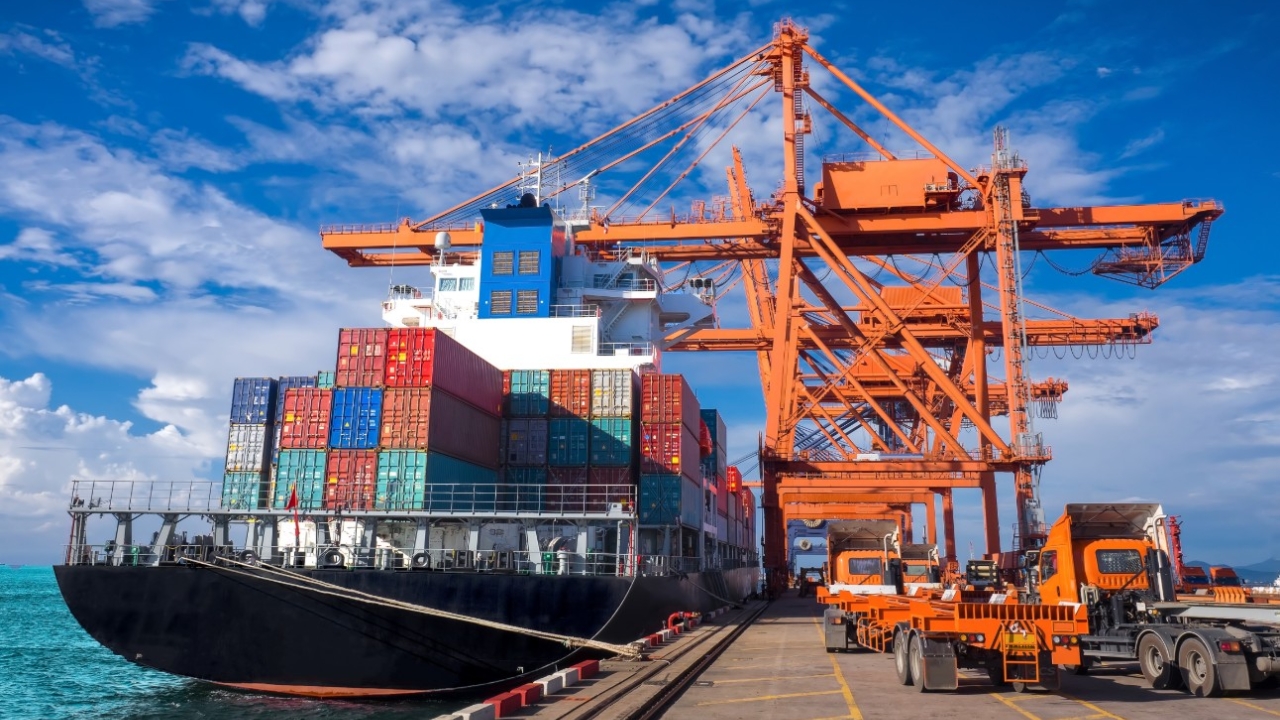

Brazil’s Trade Surplus Fell 22.5% by September 2025, Reaching US$ 45.5 Billion, Following Rise in Imports and Tariffs Imposed by the U.S. Government Seeks New Agreements with Mexico and Canada to Reverse the Scenario
The positive balance of Brazil’s trade from January to September 2025 recorded a significant decline of 22.5%, falling to US$ 45.5 billion compared to the same period in 2024.
The contraction is attributed to the increase in imports and the reduction in shipments to the United States, the main destination affected by the new tariffs.
Exports Grow, but Imports Pull Results Down
Despite exports registering a slight increase of 1.1%, reaching US$ 257.8 billion, this performance was not enough to compensate for the rise in external purchases.
-
Facing Labor Shortage, Japan Plans to Invest $34 Million to Attract Foreign Workers in Construction, Healthcare, Industry, and Commerce

-
Brazilian City Makes Remarkable Leap, Becomes 4th Wealthiest in the Country with GDP of R$ 134.1 Billion

-
Controversial 6-day Workweek Elimination in Brazil Faces Economic Criticism Over Productivity Claims
-
Itaú to Refund Customers After 14 Years of Unauthorized Credit Card Charges; Agreement Includes No Interest or Adjustments, Deadline by 2028, with Potential Impact of Up to $6.5 Billion





Imports totaled US$ 212.3 billion, with an expansion of 8.2% during the period.
The government stated that one of the decisive factors for the decline in surplus was the cut in sales to the North American market, which saw a drop of 20.3% after the imposition of high tariffs by the administration of Donald Trump.
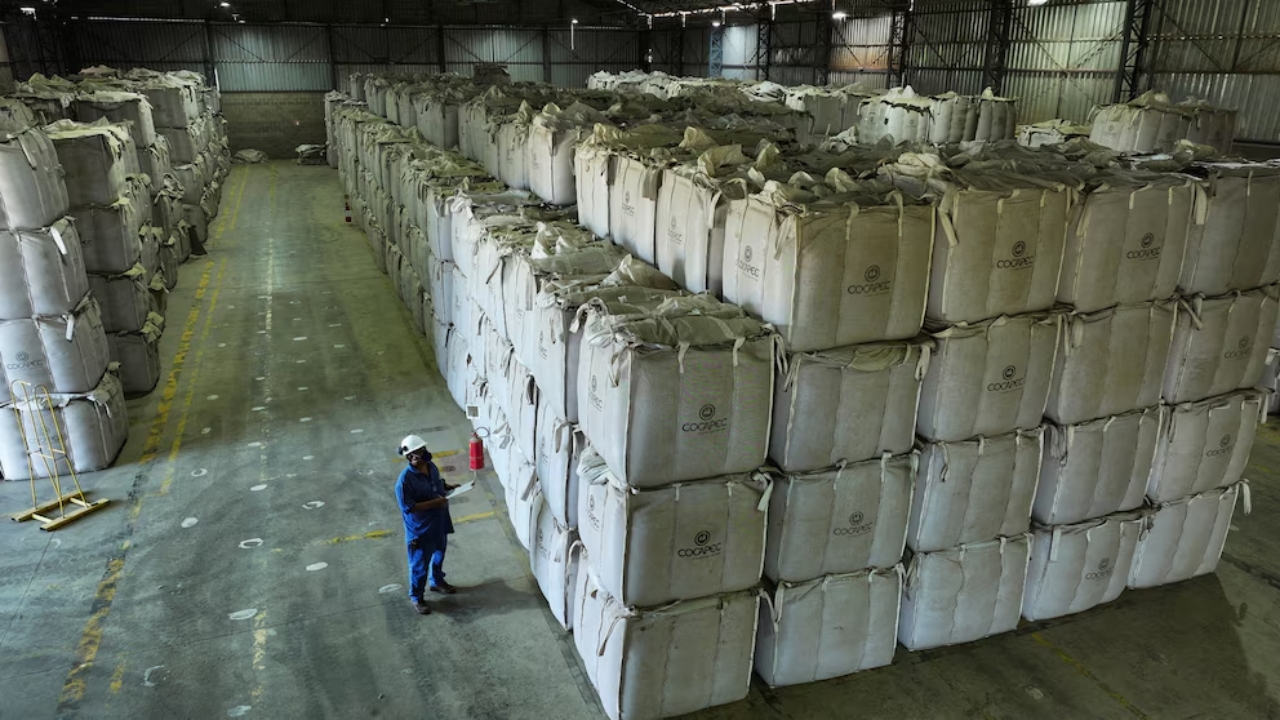
September: Exports Boosted, but Imports Soar
In September, Brazil’s trade balance was US$ 3.0 billion, a decrease of 41.1% compared to the same month last year.
Despite exports rising 7.2%, driven by agricultural and extractive industry products, imports grew 17.7%, particularly for capital goods, which saw an increase of 73.2%.
Export Destinations: Regional Fluctuations
The export performance varied according to the destination markets. Brazil increased sales to:
- China: +14.7%
- European Union: +2.0%
- Mercosur: +27.6%
- Canada: +5.3%
- Mexico: +9.1%
On the other hand, exports to Japan and United States shrank by 38.8% and 20.3%, respectively— the latter market affected by additional tariffs of up to 50%, in effect since August.
Impacts of Tariffs and Diplomatic Maneuvering
September was the second month in effect of the new taxes imposed by the U.S. on various Brazilian products.
According to the Brazilian government, these measures may have been motivated by the legal process against former president Jair Bolsonaro—an ally of Republican Trump—sentenced to 27 years in prison for involvement in a coup.
In response, President Luiz Inácio Lula da Silva asked the U.S. government to review these tariffs and the sanctions imposed on Brazilian authorities involved in the case.
Official sources describe the dialogue as friendly. At the same time, Brazil intensified negotiations with Mexico, Canada, and other partners to strengthen bilateral trade and diversify destinations.
Brazilian authorities hope that these initiatives will help mitigate the drop in the trade balance surplus and recover export performance in the remaining months of 2025.