






 Portuguese
  Spanish
  5 min of reading
  0 comments


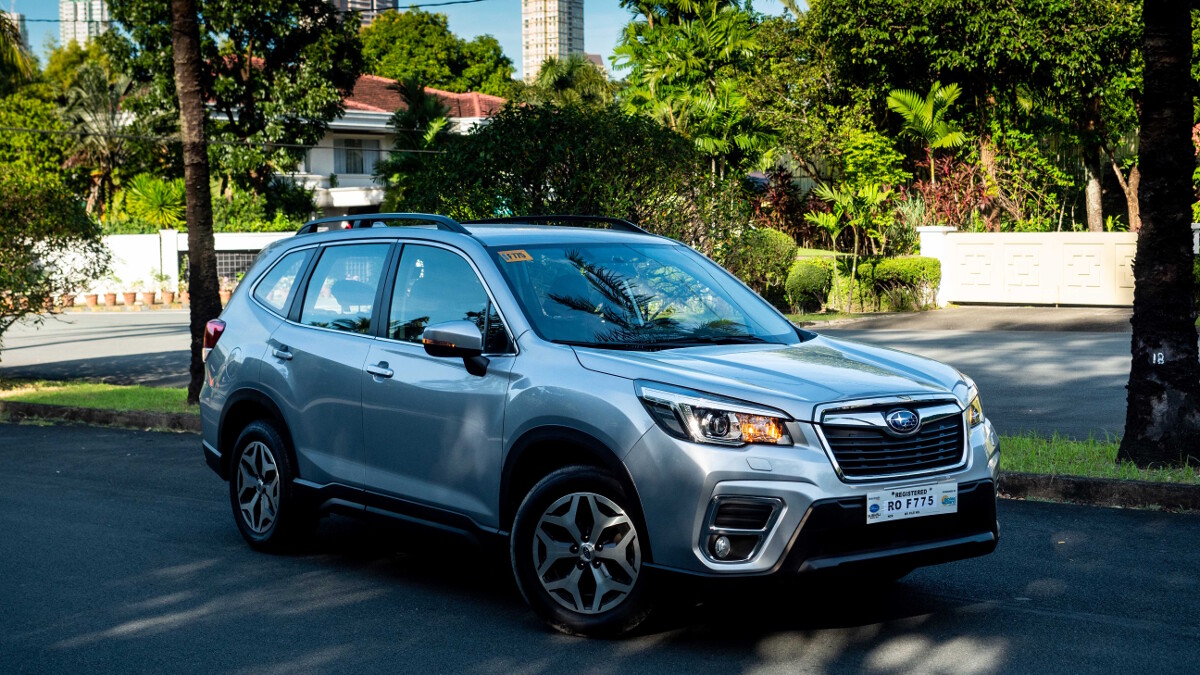
Discover Why the Subaru Forester 2.0 Became the Most Searched Japanese SUV Among Experts. With All-Wheel Drive, Independent Suspension on 4 Wheels, and a Reliable Engine, It Stands Out Among Durable Used Cars Ready to Face Any Terrain
The Subaru Forester 2.0 naturally aspirated from previous generations was not an absolute sales success when it launched in the market, but today it is a true find for those seeking a reliable and robust Japanese SUV with technical attributes that make it a favorite among enthusiasts and experts. Equipped with AWD (All-Wheel Drive), independent suspension on all four wheels, and a durable boxer engine, the Forester has gained “darling” status among automotive connoisseurs, despite facing some challenges such as cost and availability of parts.
The Late Success of the Subaru Forester 2.0 Naturally Aspirated
Although it did not impress in sales numbers, the Subaru Forester 2.0 presents technical qualities that few SUVs in the same category offer, especially in the Brazilian market.
The combination of the AWD system, independent suspension on all four wheels, and the naturally aspirated 2.0-liter boxer engine ensures superior drivability, comfort, and above-average longevity.
-
Two new 300cc models from QJ Motor are expected to arrive in Brazil as SBM to target the CB 300F and shake up the low-displacement market, with more power and liquid cooling than Honda.

-
Camaro may reappear in 2027, but not as you remember: Chevrolet prepares the return of the icon with four doors, manual transmission, and an extreme performance version to face the new era of sports cars.

-
Is the BYD Song Pro worth it? The Anderson Sincero channel says it doesn’t exceed R$ 140,000, and the price dropped by R$ 47,000, reinforcing the depreciation of the plug-in hybrid in the Fipe table.
-
Caoa Changan CS75 arrives for R$ 199,990 with 4.77 m in length, a trunk of up to 1,620 liters, 8-speed Aisin transmission, 180 hp, 37.2 inches in screens, and Zero Gravity seat with massage.


According to maintenance data and reports from experienced owners, this boxer engine can easily exceed 400,000 km when well cared for, placing it in a different category among used Japanese SUVs.


Japanese SUV with Independent Suspension on 4 Wheels
One of the biggest advantages of the Forester is its permanent AWD system, a technology that distributes power to all wheels simultaneously, ensuring greater stability on slippery surfaces and uneven terrain. This feature is not common in all Japanese SUVs of the same price range and model.
Additionally, the model features independent suspension on all four wheels—a crucial point for those seeking comfort and dynamic performance. Unlike the rigid suspensions common in cheaper SUVs, the independent suspension allows each wheel to move individually, better absorbing surface irregularities and providing greater steering precision.
This technical set makes the Subaru Forester 2.0 naturally aspirated a unique option for those seeking a Japanese SUV that goes beyond aesthetics, delivering a differentiated driving experience.
Subaru Forester 2.0 Boxer Engine: Robustness to Run 400 Thousand km
The boxer engine of the Subaru Forester is one of the most notable features. With horizontally opposed cylinders, this engine offers advantages such as a lower center of gravity, superior balance, and less vibration.
Long-term studies and owner statistics show that the naturally aspirated 2.0 boxer engine can easily reach 400,000 km, provided it receives proper preventive maintenance, such as rigorous oil changes, timely timing belt replacements, and care for the cooling system.
On the other hand, this engine demands special attention. Specific parts and services often have higher prices, and the Subaru dealership network in Brazil is limited, which can increase maintenance costs.
Technical Specifications of the Japanese SUV
| Technical Specifications – Subaru Forester 2.0 (Naturally Aspirated) | Specifications |
| Engine | Boxer 4 cylinders, naturally aspirated, 16V |
| Displacement | 1,995 cm³ |
| Max Power | 156 hp at 6,000 rpm |
| Max Torque | 20 kgfm (196 Nm) at 4,000 rpm |
| Type of Traction | Permanently All-Wheel Drive (AWD) |
| Front Suspension | Independent, McPherson |
| Rear Suspension | Independent, double wishbone |
| Transmission | 6-speed manual or automatic CVT Lineartronic |
| Steering | Progressive electric |
| Brakes | Ventilated discs on all four wheels |
| Length | 4,625 mm |
| Width | 1,815 mm |
| Height | 1,730 mm |
| Wheelbase | 2,670 mm |
| Ground Clearance | 220 mm |
| Trunk Capacity | 505 liters |
| Weight in Running Order | 1,532 to 1,555 kg (varies by version) |
| Average Consumption (City/Highway) | 9 to 10 km/l city |
| Tank Capacity | 60 liters |
| 0 to 100 km/h | Approximately 10.6 to 11.5 seconds (CVT) |
| Top Speed | 190 km/h (electronically limited) |
Why the Subaru Forester 2.0 Did Not Sell Well?
When launched, the Subaru Forester 2.0 naturally aspirated faced difficulties in gaining traction in the Brazilian market. Among the reasons are:
- Above-average price: compared to competing SUVs, the Forester had a higher initial cost, distancing it from the more popular public.
- Limited dealership network: the Subaru brand did not yet have a broad structure for service and after-sales, generating insecurity.
- High-cost parts: due to its distinctive technology and engine, the cost of parts was and still is higher than that of national models and even other Japanese brands.
- Intense competition: the compact SUV segment already had many popular models with aggressive marketing.
These factors caused the Forester not to stand out in numbers, despite gaining technical recognition.
The Japanese Subaru That Became a “Hunt” Among Used Cars
Today, the scenario is different. Conscious owners and car lovers recognize the Subaru Forester 2.0 naturally aspirated as a rare opportunity, as it combines technical qualities that are hard to find in SUVs of the same price range and size. Therefore, in the used car market, it has become a true hunt for those who know how to appreciate:
- Good traction on different terrains: the AWD traction and independent suspension ensure versatility, ideal for dirt roads, rain, and uneven terrains.
- Reliable and long-lasting engine: when well maintained, it easily exceeds the 400,000 km mark with relative ease.
- Superior comfort and drivability: suspension that better absorbs irregularities without losing stability.
- Exclusivity and style: although the design is not so modern, it pleases those who like functional and durable Japanese SUVs.
What to Watch Out for Before Buying a Used Subaru Forester 2.0
Anyone looking to purchase a Subaru Forester 2.0 naturally aspirated should pay attention to some important points to avoid surprises and ensure a safe purchase:
- Check the maintenance history, especially items like the timing belt and cooling system.
- Assess the condition of the independent suspension, as repairs can be costly.
- Confirm access to specialized workshops or mechanics who know the Subaru brand.
- Research the availability and prices of parts.
- Conduct test drives in different conditions, analyzing the AWD traction performance.
Is It Worth Investing in the Subaru Forester 2.0 Naturally Aspirated?
Although it was not a sales success at the time, the Subaru Forester 2.0 naturally aspirated is a Japanese SUV with independent suspension on 4 wheels that has earned its place among the most respected models for those who understand used cars.
Its mechanical set offers stability, comfort, and incredible engine durability, capable of running 400,000 km with reliability.
If the goal is to escape the obvious and have a robust and comfortable vehicle, the Forester is an excellent choice—provided the buyer accepts the higher maintenance costs and the smaller authorized network. For those seeking a complete Japanese SUV with quality design and consistent performance, the Subaru Forester 2.0 is an option that continues to be well worth it.


-

1 person reacted to this.