






 Portuguese
  Spanish


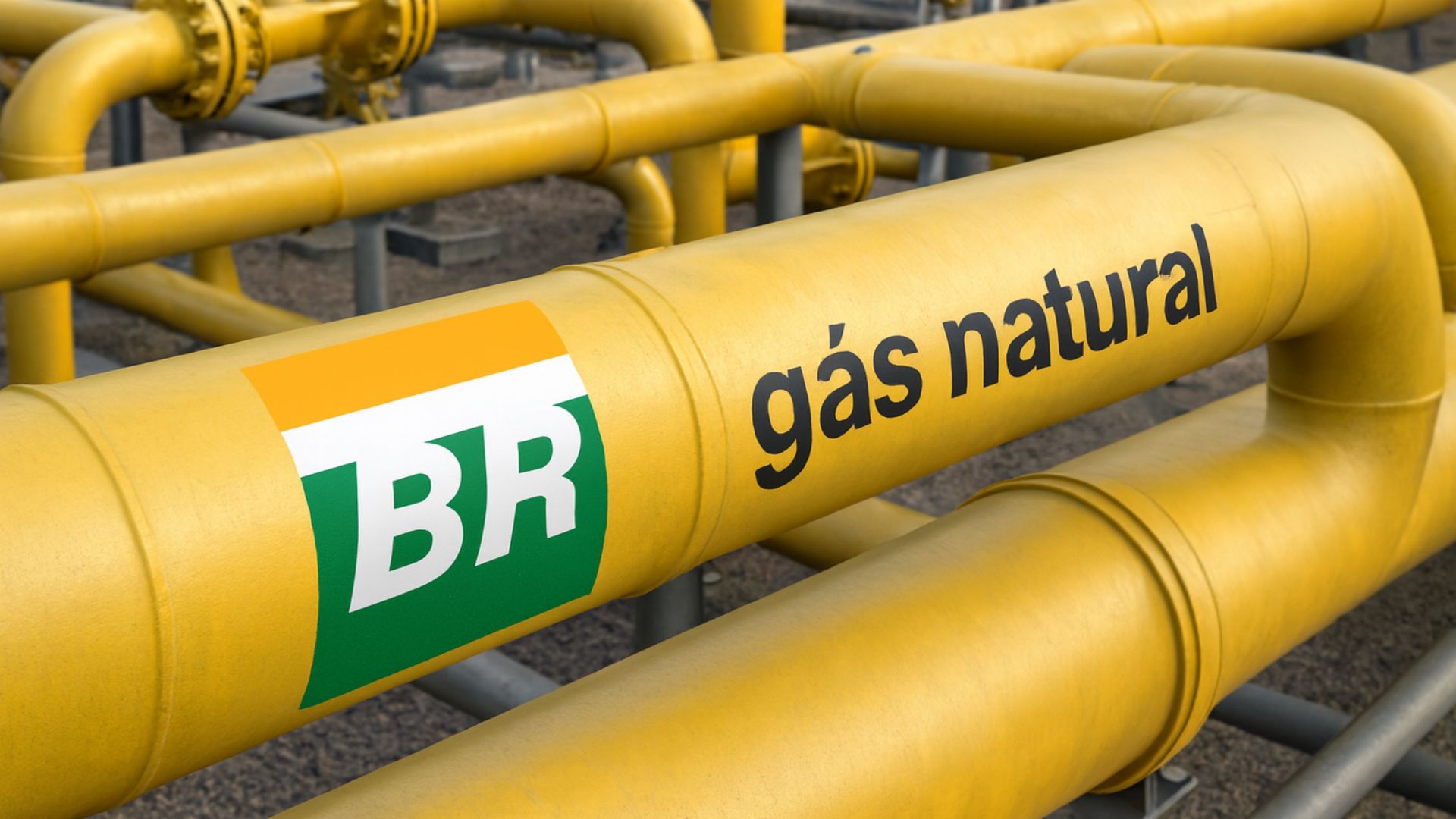


The TCU Pointed Out That Petrobras Had Billion-Dollar Losses in the Sale of NTS After Modeling Failures and Exchange Rate Risk. Understand How the Operation Affected Carriers and Gas in the Country
The Federal Court of Accounts concluded that Petrobras lost about R$ 1.16 billion in the sale of 90% of NTS, a company responsible for part of the natural gas transportation infrastructure in the Southeast, in an operation carried out in mid-2016.
According to an article published by Poder 360 website on Monday (8), the decision pointed out failures in economic-financial modeling, problems in tariff calculation, and one critical error: the state-owned company fully assumed exchange rate risk during the operation, which substantially reduced the final amount received.
The Court’s conclusion reinforces that the divestment resulted in a billion-dollar loss caused by inadequate technical decisions, raising concerns about governance and management of the state-owned company’s strategic assets.
-
Oil production grows in Rio, but reserve replacement raises a warning sign

-
Petrobras is expected to complete the drilling of the Morpho well in the Foz do Amazonas in August 2026, the first well in the Equatorial Margin, an oil frontier that the ANP estimates at more than 30 billion barrels and could redraw the map of Brazil.

-
Oil returns to the center of concerns with tension between the US and Iran

-
IEA reduces forecast for global oil demand in 2026 after impacts of the Middle East crisis



Failures Pointed Out by the TCU in the Sale of NTS by Petrobras
The TCU identified several issues in the structuring of the operation. Among them, it highlighted the adoption of a fixed exchange rate, linked to R$ 3.35 per dollar, defined in 2016. The sale was paid over time, but Petrobras maintained the fixed rate, even with the strong appreciation of the dollar in subsequent years. This reduced the final amount received.
In addition to the exchange rate, the Court observed weak assumptions in the valuation of NTS. The transportation tariff used in the modeling had not yet been approved by ANP at the time of negotiation. In practice, the estimated value of the company was based on projections that had no regulatory validation at that time, which artificially reduced the price paid by buyers.
Inconsistencies in discount rates used, a lack of independent technical reviews, and the adoption of methodologies differing from those internally approved by the state-owned company were also identified. This set of factors led the Court to conclude that the operation did not generate an adequate return to public assets, even though the nominal value seemed high at the time.
Analysis of Exchange Rate Risk and Impact on Loss
A central aspect of the TCU’s analysis was exchange rate risk. Petrobras accepted that the sale amount would be converted at a fixed rate, without clauses for protection against fluctuations in the American currency. The Court considered the decision “unreasonable,” noting that there was no sufficient technical justification to explain why the state-owned company would fully assume this risk.
With the significant rise of the dollar between 2016 and the following years, the final amount received in reais was much lower than what would have been obtained if the conversion had followed the real exchange rate at the time of payments.
The loss of R$ 1.16 billion estimated by the TCU is directly related to how the exchange rate risk was managed, as the difference between the contractual rate and the real dollar value was absorbed by the state-owned company.
Regulatory and Tariff Issues That Affected the Modeling
Another critical point identified by the Court was tariff uncertainties. The gas transportation tariff used to compose the NTS valuation had not yet been approved by ANP. This provisional value directly affected the calculation of the expected return on the asset.
The delay in the definitive tariff approval — which only occurred in 2022 — widened the discrepancy between the price estimated in the negotiation and the tariff value that came into effect years later.
The TCU stressed that using unconfirmed tariffs to define the value of an asset of this size generates fragility in financial estimates and exposes the operation to risks that could have been mitigated.
Why the Sale of NTS Was Considered Strategic for Petrobras
The sale of NTS occurred during a broad divestment program by Petrobras. The state-owned company sought to reduce its debt, increase liquidity, and focus on areas considered essential, such as oil exploration and production.
NTS is part of a fundamental network for transporting natural gas, connecting producing regions and industrial consumers. Its privatization was associated with the process of opening the natural gas market in Brazil, driven by policies to promote competition and reduce monopolies.
Despite being a strategic asset, the company could attract private investors willing to assume the expansion of the infrastructure, which justified the sale. However, the TCU’s analysis shows that the operation was not conducted with the expected rigor for an asset of such importance, both for the energy sector and for public assets.
Repercussions and Recommendations for Petrobras
Even acknowledging serious failures, the TCU decided not to punish managers because it did not identify any wrongful act or gross error — elements necessary for accountability. Nevertheless, the Court made important recommendations.
Among them, it mandated improvements in the Divestment System of the state-owned company, requiring:
- Critical independent reviews of economic-financial evaluations.
- Use of fully validated assumptions by regulatory agencies.
- Adoption of valuation methods that do not rely on unconfirmed hypothetical scenarios.
- More robust technical justifications when sensitive assumptions or uncertain projections are used.
The ruling will also be sent to the National Congress, reinforcing the need for ongoing monitoring of operations involving strategic assets.
Impact on the Gas Market and Infrastructure for Carriers
The TCU’s analysis directly affects the debate regarding the infrastructure of gas carriers in the country. NTS is a central piece for the flow of natural gas in the Southeast, integration with terminals, and industrial supply. How its sale was conducted raises concerns about:
- Transparency in operations involving essential assets.
- Regulatory modeling based on provisional tariffs.
- Financial risks associated with concessions and private carriers.
For investors and operators in the sector, the TCU’s decision highlights the importance of rigorous technical evaluations and regulatory safety in long-term contracts.
Consequences for Governance and Image of Petrobras
Even without direct penalties, the decision carries significant reputational impact. Companies of this size depend on credibility to attract investments, structure partnerships, and negotiate high-value assets.
The perception that the modeling was inadequate may generate greater internal and external pressure for improving governance practices, with demands for independent evaluations, stricter criteria, and greater transparency in future negotiations.
The state-owned company is likely to strengthen its control and evaluation mechanisms, especially since the market and regulatory agencies will be more alert to operations involving the sale of strategic assets.
Relevance of the Case for the Energy Sector and Public Assets
The TCU’s analysis of the sale of NTS by Petrobras has implications that go beyond the state-owned company. The episode is a warning about the importance of good governance in divestment decisions, especially when involving essential sectors such as natural gas, energy, and infrastructure.
The case shows that:
- Technical failures can generate billion-dollar losses to public assets.
- Operations with strategic assets require rigorous due diligence, regulatory validation, and robust financial methodologies.
- The expanding natural gas market requires legal and regulatory certainty to attract investments.
- Transparency and ongoing oversight are fundamental to protecting society’s interests.
The discussion is not limited to numbers: it involves the quality of decisions that shape the country’s energy future. The episode highlights the need to improve processes, strengthen institutions, and ensure that essential assets are negotiated with maximum technical responsibility.









Essa operação de venda ocorreu em 2016 para sanar os prejuízos da corrupção do PT para quem está falando do Bolsonaro. Uma reportagem que deixa a entender que foi atual e um povo ignorante que não sabe interpretar texto e nem pesquisar informação.
Essa operação de venda ocorreu em 2016 para sanar os prejuízos da corrupção do PT para quem está falando do Bolsonaro. Uma reportagem que deixa a entender que foi atual e um povo ignorante que não sabe interpretar texto e nem pesquisar informação.
Não me diga, os bundões do TCU chegaram a esta conclusão atrasados mais uma vez?
É bom saber que quem deu esses gasodutos de presente foi o **** do ****,além dos Gasodutos entregou a Refinaria da Bahia na Mão dos Arabes.
Ô ****! Meados de 2016 a presidente era a terrorista da Dilma. Aquela mesma, do partido do **** que doou uma refinaria para a Bolívia, e esteve envolvido em vários esquemas de corrupção conosco o Petróleo! Para de comer alfafa e vai estudar.
Ô ****! Meados de 2016 a presidente era a terrorista da Dilma. Aquela mesma, do partido do **** que doou uma refinaria para a Bolívia, e esteve envolvido em vários esquemas de corrupção como o Petrolão! Para de comer alfafa e vai estudar.