Portuguese
  Spanish


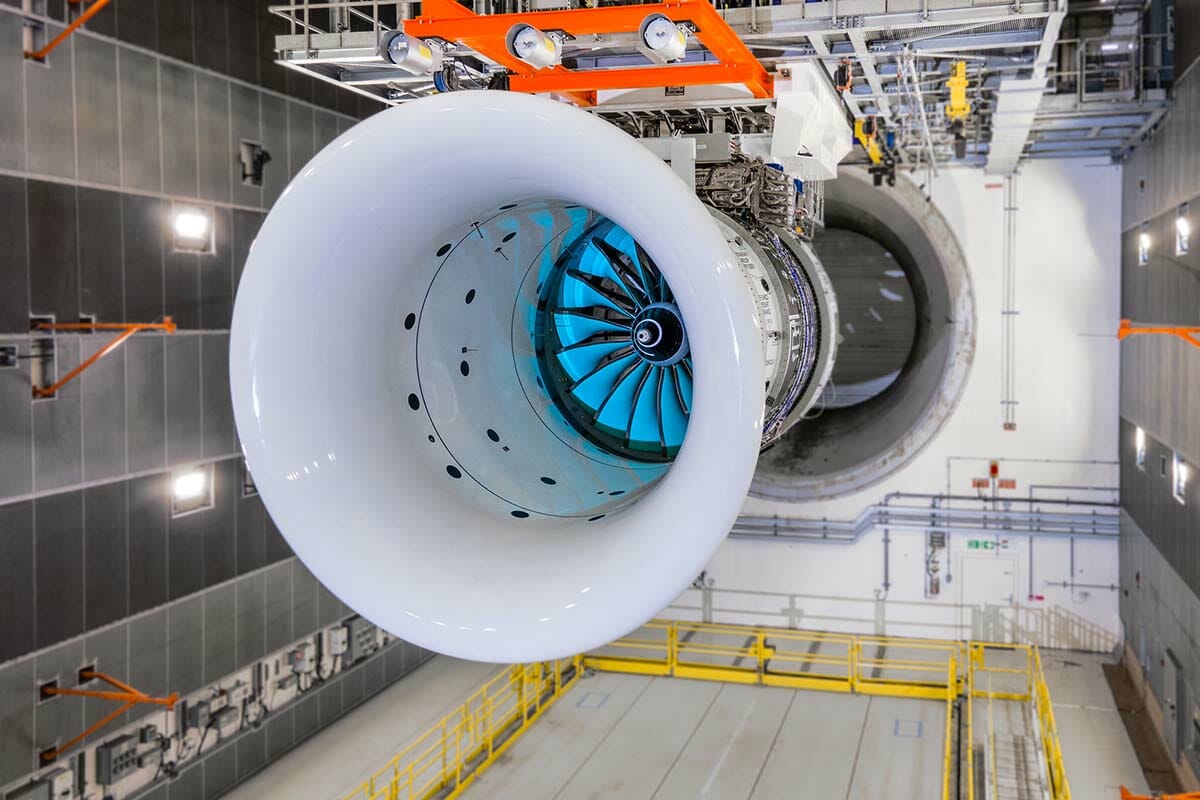

The New Era of Technology: Rolls-Royce and Its UltraFan Aero Engine
Rolls-Royce, famous for its luxury cars, is also a key player in the aviation industry. Recently, the company successfully completed the first ground tests of its revolutionary UltraFan aero engine, transforming technology at its facilities in Derby, United Kingdom, according to a report by CNN. This achievement marks a significant milestone for the manufacturer, which had not conducted tests on a completely new aircraft engine architecture in over 50 years.
The UltraFan Aero Engine: Efficiency and Innovation
The UltraFan, developed by Rolls-Royce, promises a 10% improvement in efficiency compared to the Trent XWB engine, considered the most efficient large aircraft engine currently in service. With this new technology, Rolls-Royce aims to raise standards of efficiency and sustainability in the aviation sector.
Technology Transfer and Promising Future
Rolls-Royce plans to transfer the technologies developed for the UltraFan to enhance its existing Trent engines. This approach allows for the immediate application of innovations and benefits achieved through the UltraFan development program. Additionally, the scalable technology of the aircraft engine has the potential to drive the next generation of aircraft expected in the 2030s, providing a solid foundation for future demands of the aviation industry.
-
A fossil kept for years in a small museum in Montreal concealed 450-million-year-old soft tissue, a discovery that has only happened once before in history.

-
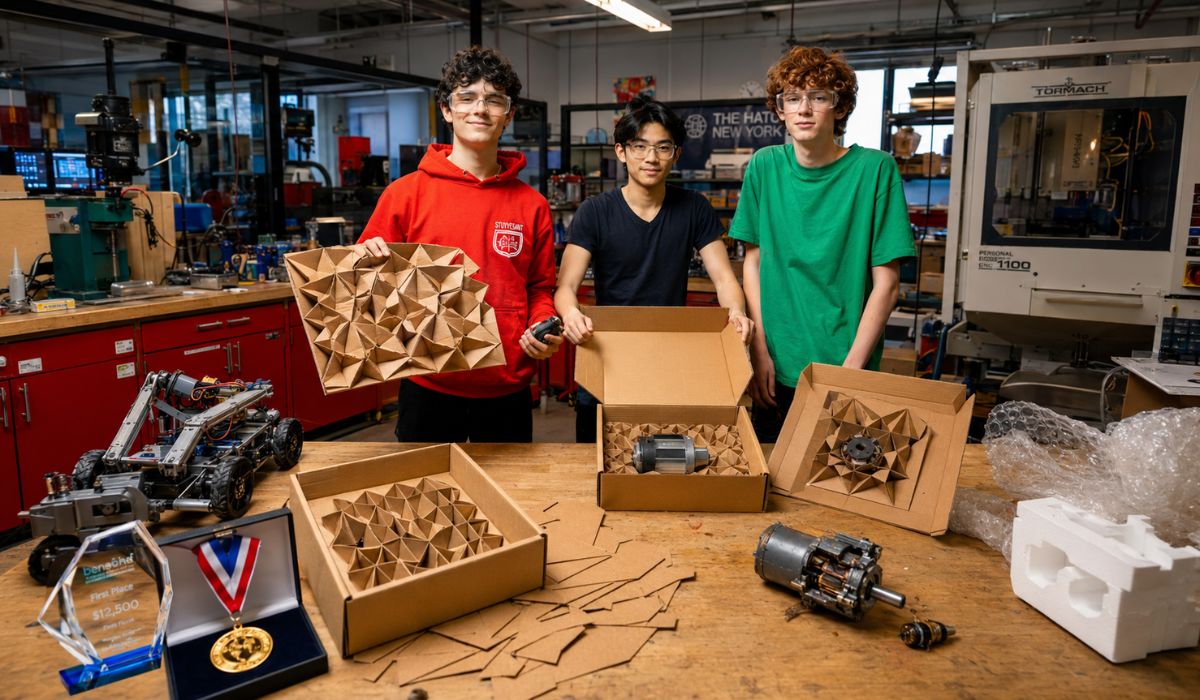
Three teenagers transform cut cardboard into Japanese origami-style packaging that promises to retire styrofoam and bubble wrap, win a $12,500 prize, and target giants like Amazon, FedEx, and Home Depot after a robot motor arrived broken.

-
The large jar blender has a rival: Oster Ultra Power bets on 1,000 W, six stainless steel blades, and two portable cups with leak-proof lids.

-
Tesla injected an additional $250 million into the German factory, doubled the battery cell target, and opened its own production line for startups.



It is clear that Rolls-Royce is bringing innovation and cutting-edge technology to the aviation industry with its UltraFan aero engine. With a completely new architecture and significant improvements in efficiency, the company is leading the way for a more sustainable future in aviation. Through successful testing and a commitment to excellence, Rolls-Royce reinforces its position as one of the leading engine manufacturers in the world.
Technological Pioneering and Sustainability
Rolls-Royce has invested in high-precision 3D manufacturing technology to create a powerful and lightweight engine. The company uses manufacturing robots to produce most of the UltraFan’s blades from carbon composite, adding strength and resilience to the leading edges through the use of titanium. This approach results in an efficient and sustainable engine for airplanes, aligned with the current search for greener solutions.
Rolls-Royce’s vision for the UltraFan is to revolutionize the aviation industry, improving current engines and creating a solid foundation for future aircraft. Combined with sustainable aviation fuels, the UltraFan will play a key role in the industry’s goal of achieving Net Zero by 2050. Under the leadership of CEO Tufan Erginbilgic, Rolls-Royce is determined to make its mark in aviation history.