Portuguese
  Spanish


Ibama Suspended Analysis of Uranium Mining Project in Ceará, Requesting Additional Studies and Opening Public Hearings to Assess Environmental Impacts, Understand.
The Ibama temporarily suspended the environmental licensing of the Santa Quitéria Project, which plans to exploit uranium in Ceará, considering the information from the impact study (EIA/RIMA) insufficient. The measure was taken after meetings and inspections carried out in the field, where technicians assessed fauna, flora, water bodies, and local communities.
Therefore, the agency required additional information before proceeding to the issuance of the Preliminary License, an initial and fundamental step for any project of this nature.
Technical Inspection and Ibama’s Requirements
During the inspection in Santa Quitéria (CE), the Ibama team recorded potential impacts on the environment and local communities and pointed out significant gaps in the environmental studies submitted by the consortium led by INB (Nuclear Industries of Brazil) and Fosnor/Galvani.
-
Ship Returns from Brazilian Coast with Thirty Newly Discovered Life Forms

-
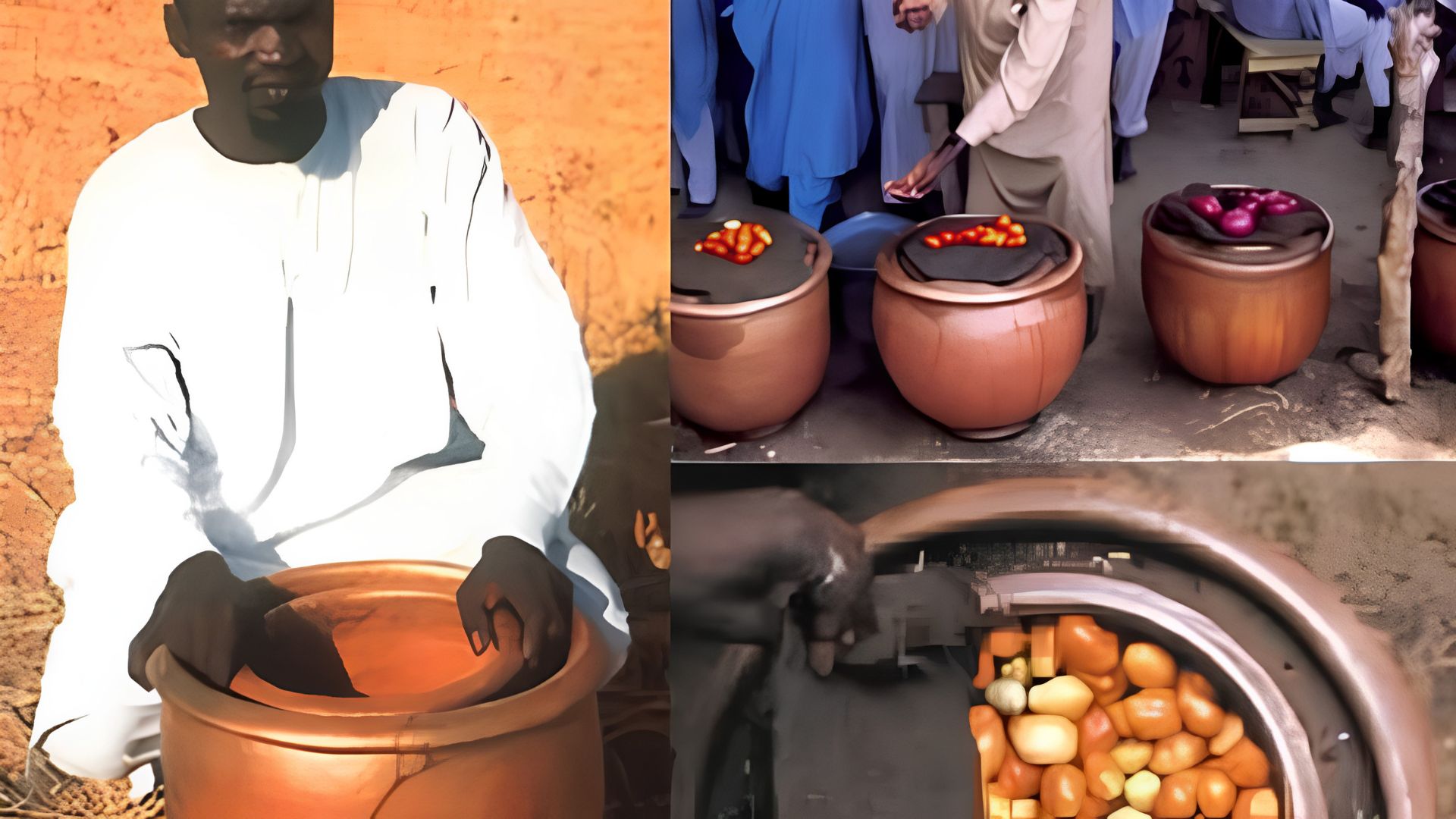
Nigerian Professor Invents Electricity-Free Refrigerator Using Clay Pots and Wet Sand, Extending Shelf Life of Vegetables to 27 Days; 7,000 Units Distributed in Energy-Deprived Villages

-
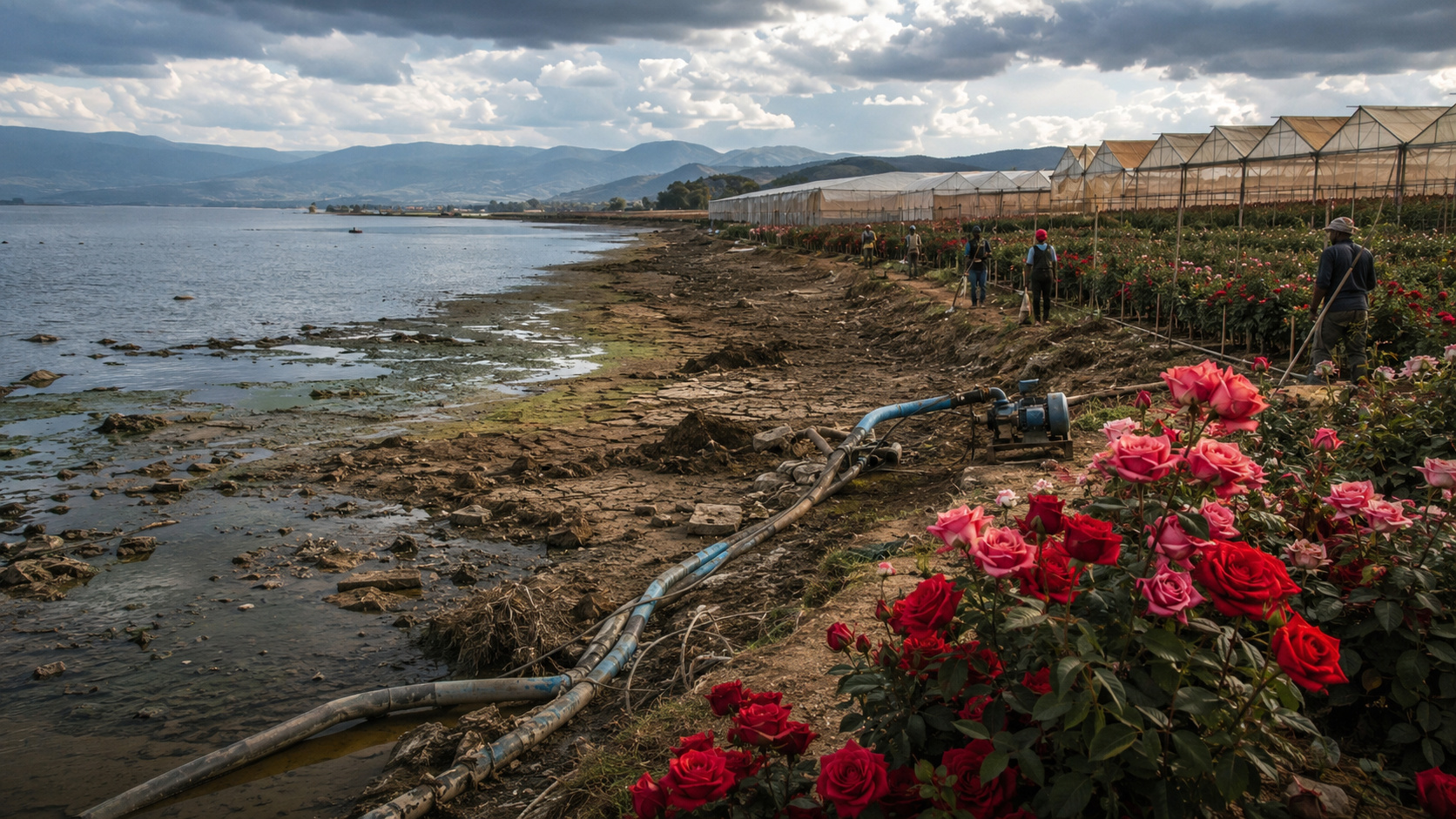
Flower Farms Supplying London and Amsterdam Face Backlash for Environmental Impact on African Lake, Threatening Jobs for 50,000 Workers

-
World’s Largest Container Ship Departs Shanghai with 24,000 Containers, Set to Debut in Europe in July


Thus, the agency determined the return of the EIA/RIMA for technical supplements before reevaluating the request for the Preliminary License.
Public Hearings and Community Participation
According to the notice published in February 2025, the environmental report (RIMA) will be presented during public hearings that will take place on March 11 and 13, in Santa Quitéria and Itatira.
This is a legal requirement to ensure transparency, provide clarifications to the public, and collect suggestions. Contributions can be made in person or digitally, through the channels provided by Ibama.
Environmental Risks Raised by Experts
Studies conducted by researchers from UFC and social movements point to significant risks regarding water consumption, environmental degradation, contamination, and impacts on local biodiversity.
In parallel, the consortium proposed closed-loop water protocols and technology to avoid effluent disposal, but even if these arguments are considered, the technical doubts and socio-environmental impacts will remain under evaluation.
Ongoing Licensing Process
The Santa Quitéria Project — located over the uranium deposit in Ceará, also rich in phosphate — has been required to undergo rigorous monitoring.
The Ibama, under its legal authority, still depends on technical supplements to decide on the environmental feasibility. This phase is crucial to ensure the protection of nature and people.
Strategic Importance and Conditions of the Project
If approved, the project could generate national fertilizers and supply nuclear power plants. The uranium mine in Ceará is considered strategic but also controversial — due to the complexity of the risks associated with mining radioactive materials.
Thus, licensing is conditioned on the presentation of robust data and effective social participation.
How to Follow the Process
The public can monitor the proceedings through the official channels of Ibama. After the hearings, there will be a period of 20 days for formal registrations.
The notice is available on the institutional website, with instructions for electronic or in-person petitions.
The analysis of uranium in Ceará goes back to square one: based on incomplete data, the Ibama requested additional information before advancing in the environmental licensing.
The next step, the public hearings, will be decisive in determining whether the project moves forward with technical and social support.