Portuguese
  Spanish


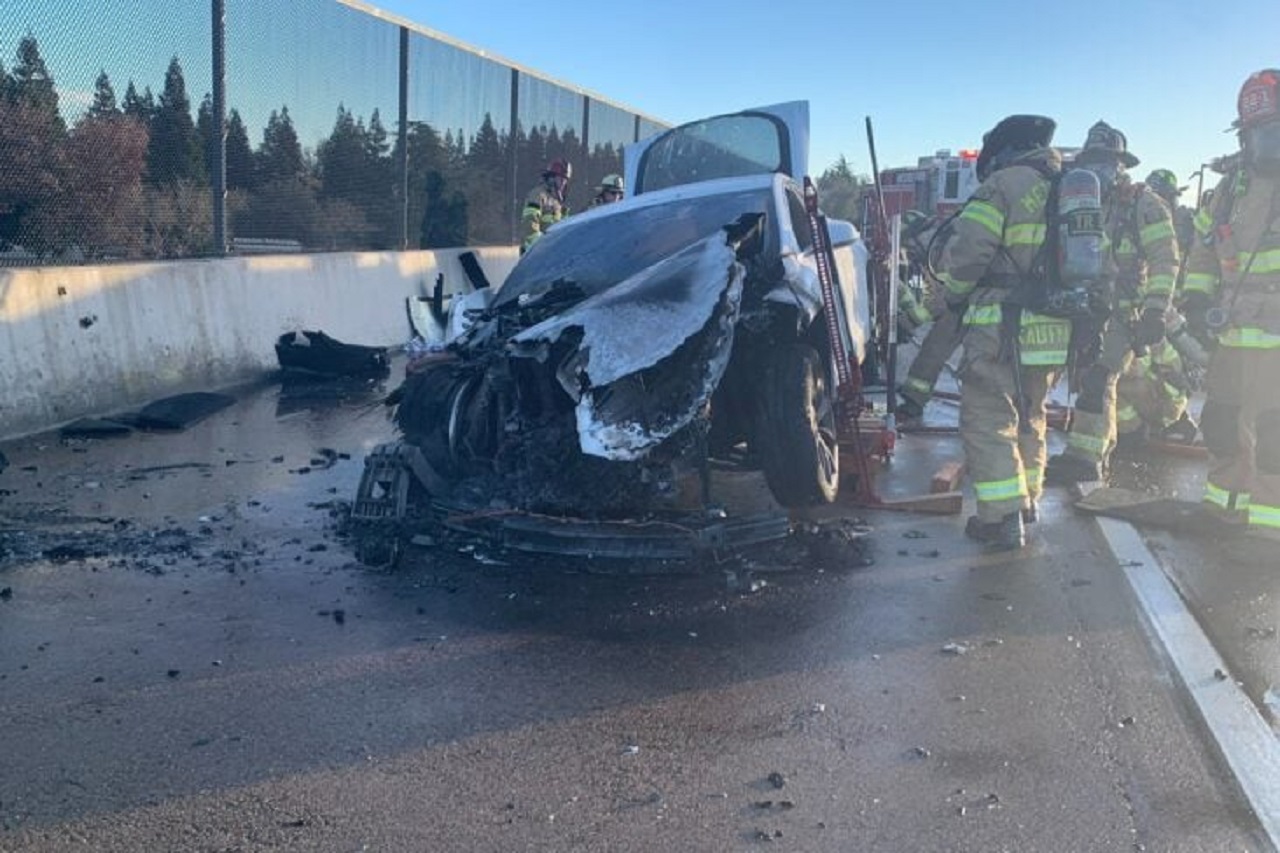

A Tesla Model S, from Elon Musk’s electric car manufacturer, caught fire for no reason in California. Firefighters used about 6,000 gallons of water to contain the flames.
On a highway in California, a Tesla Model S caught fire “spontaneously” and, according to firefighters, the vehicle was traveling at the allowed speed on the highway, until the driver noticed strong black smoke rising from the cabin. Fortunately, the driver was able to pull over and exit without injury. However, the fire continued to spread, consuming the entire front of the sports electric car.
More Than 6,000 Gallons of Water Were Used to Extinguish the Fire
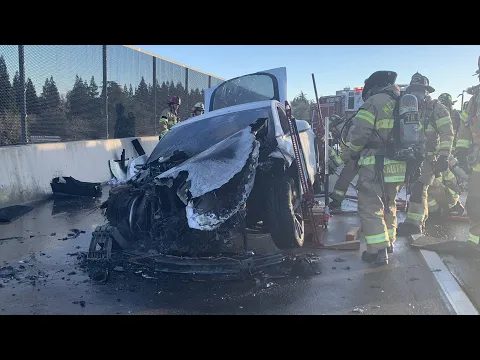

Firefighters needed to use special jacks to lift the Tesla car and expose the source of the fire, which according to reports began in the batteries. The team of firefighters that responded to the incident stated that it was a complicated task, considering that it is a Tesla Model S, a vehicle that weighs over 2 tons.
The special jacks were used to access the underside of the vehicle and cool the batteries, according to a post from the firefighters.
-
End of an era in Brazil: beloved sedan by Brazilians is discontinued despite having a 2.0 engine with 151 hp, CVT transmission, 466-liter trunk, and up to 650 km of range.

-
New Law Proposal in Brazil Could Heavily Penalize Drivers: Dangerous Overtaking May Become a Serious Offense with Fines Increased Tenfold and a 12-Month License Suspension; Update on 2026 Progress

-
Electric Revolution: Watts W125 Motorcycle Offers 160 km Range, 90 km/h Speed, and Affordable Price Starting at $3,000
-
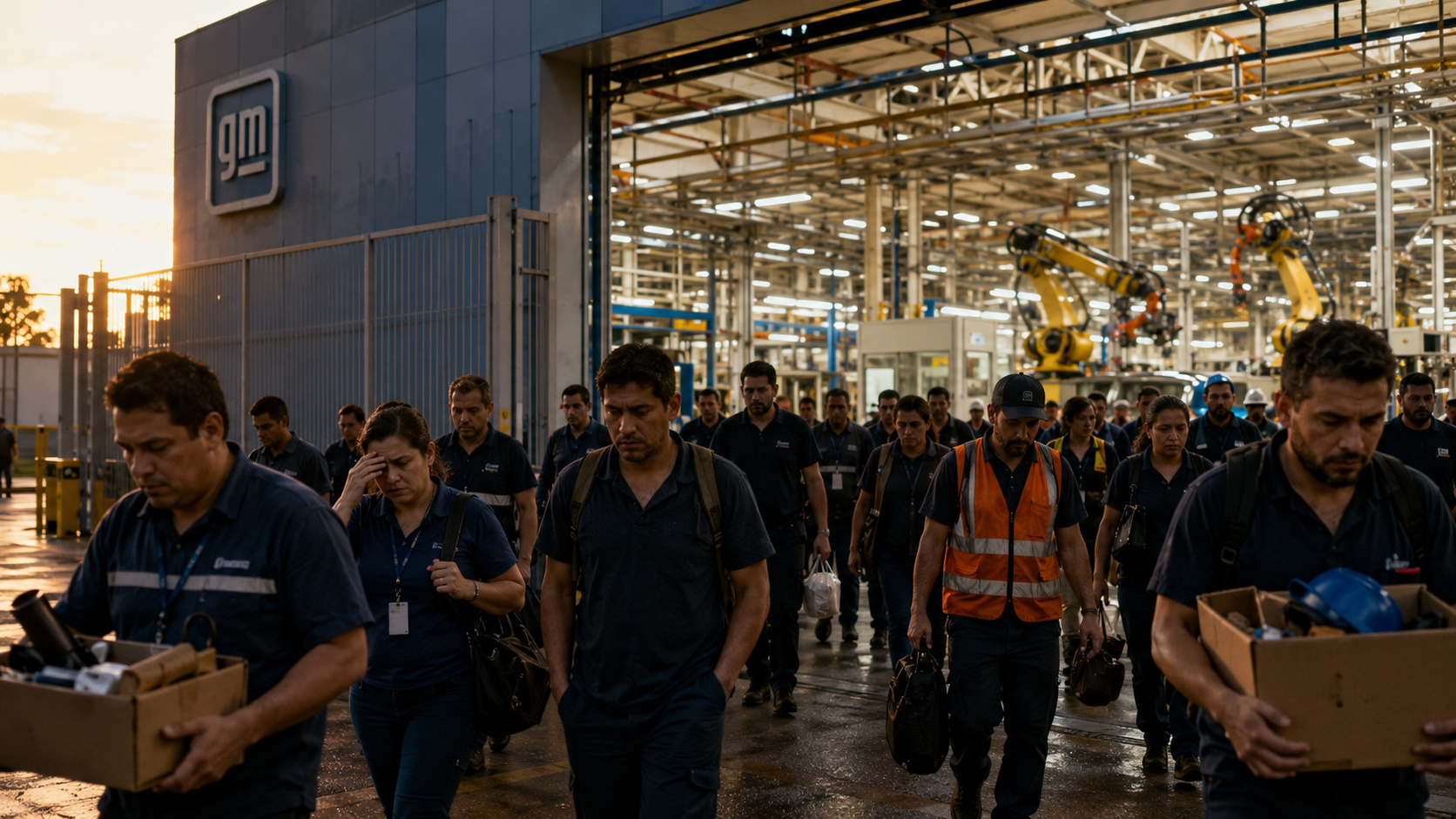
General Motors Replaces Over a Thousand Workers with 50 Cobots at Electric Vehicle Plant, UAW Union Criticizes Move Amid Industry’s Automation Push


After an hour of fighting to prevent the flames from spreading further, it took nearly 6,000 gallons of water to contain the fire.
For perspective, a large vehicle fire in a common car can be extinguished with approximately 690 gallons of water, according to information from the Sacramento Metro Fire District.
The fire and lithium-ion batteries are a combination that can cause significant damage. In addition to containing many flammable materials, their cathodes release oxygen as they continue to burn, further feeding the fire. Even the use of fire-retardant foam has no capacity to smother the flames, according to firefighters.
Cause of the Fire with Tesla Electric Car
For now, it is still unclear why the spontaneous fire occurred in the Tesla Model S battery, and firefighters state that they were unable to identify any puncture or damaged part in the vehicle’s floor. Typically, such cases begin with a strong impact; however, a short circuit or higher temperatures can also trigger the combustion of an electric car battery.
It is important to note that similar occurrences gained attention in mid-2019. At that time, reports of Tesla cars catching fire for no reason forced Elon Musk‘s automaker to release a software update aimed at resolving the problem once and for all.
Tesla’s Autonomous System Also Causes Problems
Between June 2021 and May 2022, Tesla’s electric cars caused 70% of accidents involving vehicles equipped with cruise control in the United States. Additionally, over the years, 18 deaths have been recorded involving these electric cars.
This information came from a report by the National Highway Traffic Safety Administration (NHTSA), the U.S. traffic regulatory agency. The research analyzed 394 accidents involving vehicles with adaptive cruise control, 273 of which were with Tesla models.
The company has over 800,000 semi-autonomous cars in circulation in the country, and the most recent deaths caused by loss of control of Tesla vehicles equipped with cruise control occurred in China, when an uncontrolled Model Y struck two pedestrians.
In light of so many incidents, even the name of the product, called Autopilot, is being questioned, as it gives customers the impression that the cars can drive themselves, when in fact they can only assist the driver.