Portuguese
  Spanish


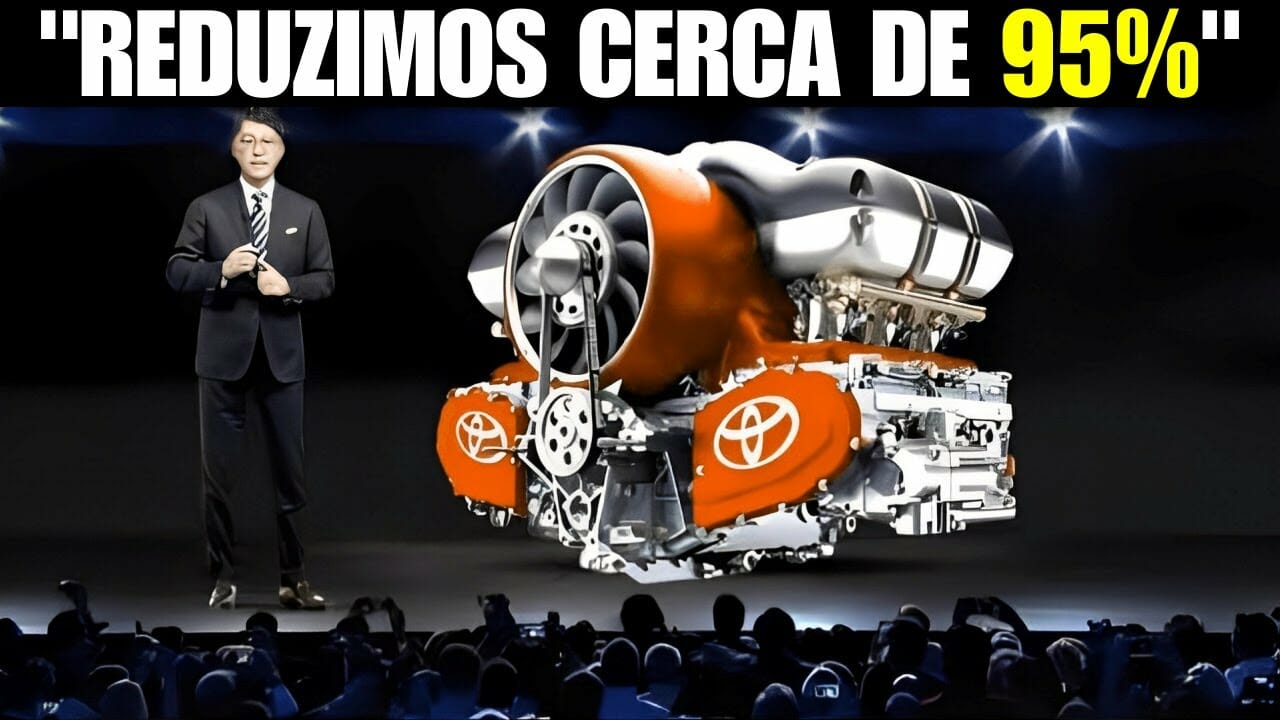


New Toyota Engine Promises to Be an Excellent Alternative to Electric Cars. Multinational Is Working on Ammonia Engine in Partnership with Chinese GAC Motor.
Alternative to Electric Cars: Toyota has continuously stated that the future will not be solely of electric cars. Although the company continues to launch some battery models in the market next year, it is still exploring other forms of energy. Currently, the state-owned Chinese manufacturer GAC Motor, which is half-owned by Toyota, has developed the first ammonia engine for passenger vehicles. Check out the details of the new Toyota engine!
Understand How the New Toyota Ammonia Engine Works
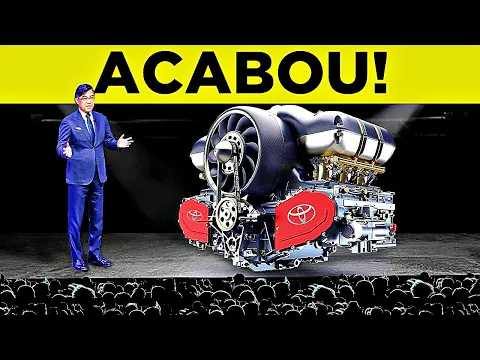

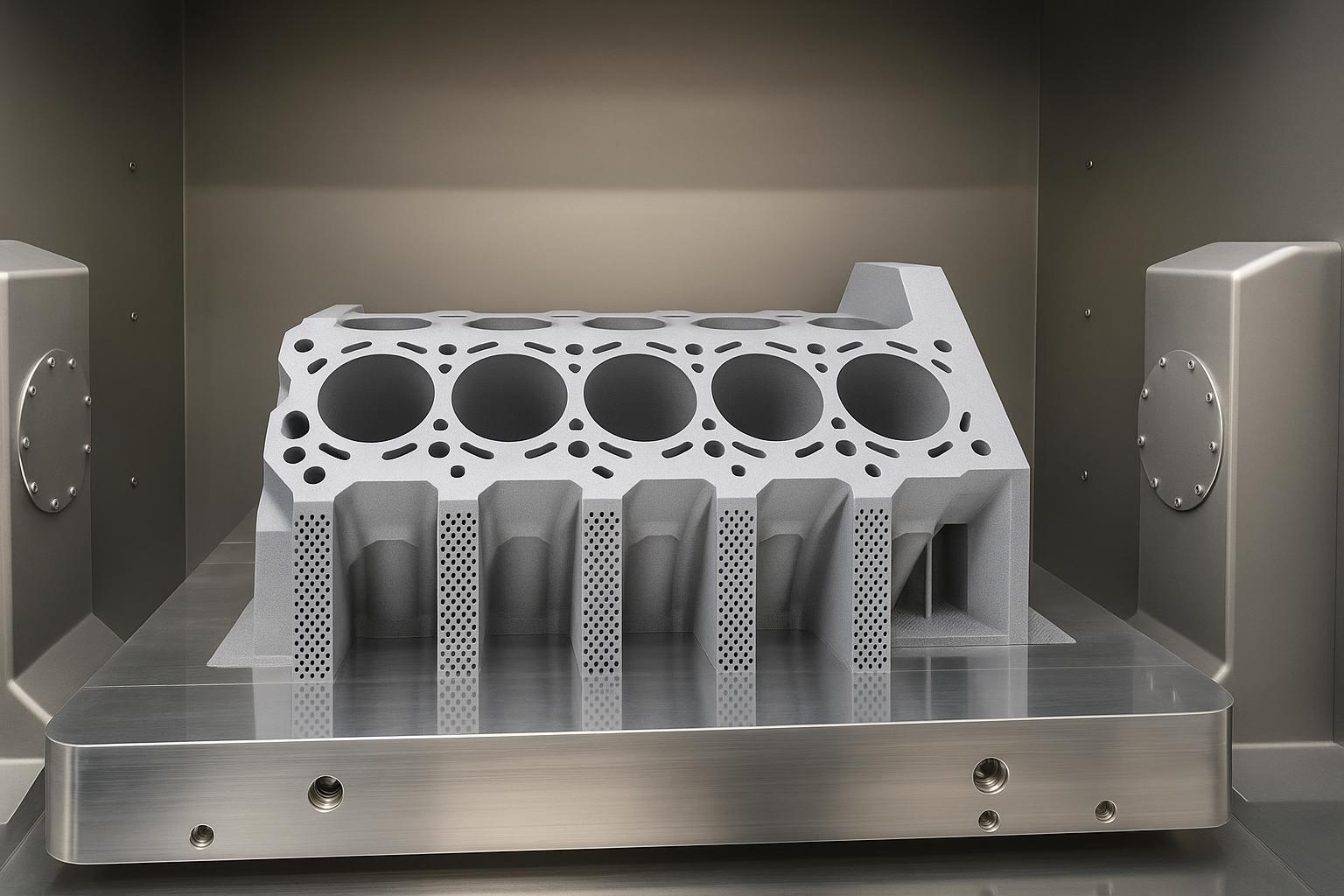
An ammonia engine is basically a category of internal combustion engine that uses ammonia as a fuel source, composed of one nitrogen atom and three hydrogen atoms. What differentiates ammonia is the lack of carbon atoms, resulting in the absence of CO2 emissions during combustion, unlike conventional gas or oil fuels.
This characteristic positions the ammonia engine as a promising solution to reduce pollution in the future, also serving as an alternative to electric cars. There are various approaches to making ammonia engines effective; one method involves breaking ammonia down into its constituents: hydrogen and nitrogen.
-
End of an era in Brazil: beloved sedan by Brazilians is discontinued despite having a 2.0 engine with 151 hp, CVT transmission, 466-liter trunk, and up to 650 km of range.

-
New Law Proposal in Brazil Could Heavily Penalize Drivers: Dangerous Overtaking May Become a Serious Offense with Fines Increased Tenfold and a 12-Month License Suspension; Update on 2026 Progress

-
Electric Revolution: Watts W125 Motorcycle Offers 160 km Range, 90 km/h Speed, and Affordable Price Starting at $3,000
-
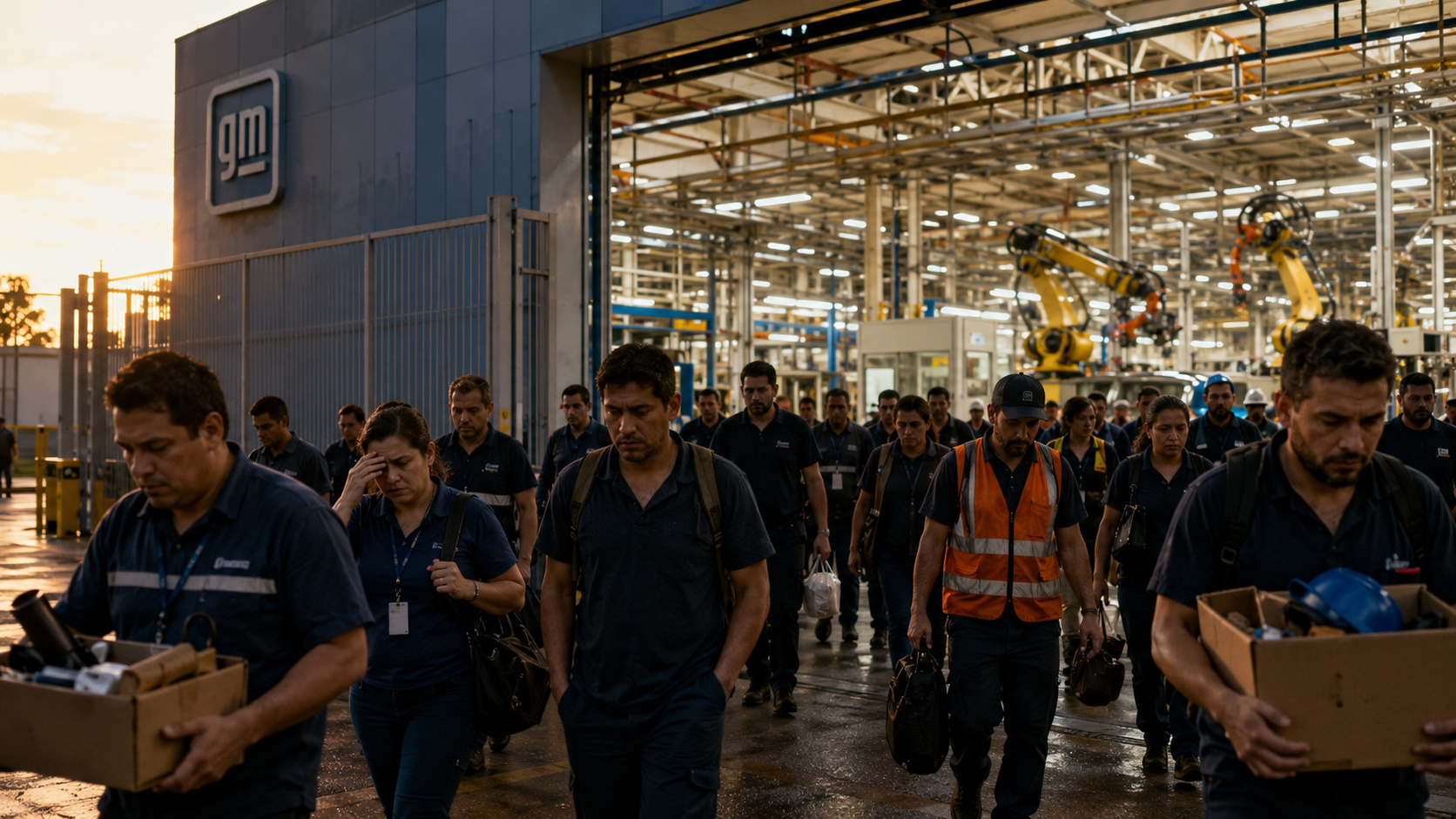
General Motors Replaces Over a Thousand Workers with 50 Cobots at Electric Vehicle Plant, UAW Union Criticizes Move Amid Industry’s Automation Push


The extracted nitrogen is then used in a fuel cell to generate electricity. Notably, a startup called Emoji demonstrated this technique with the John Deere tractor claiming to be the world’s first zero-emission tractor powered by ammonia.
An alternative approach involves mixing ammonia with other fuels such as diesel, gas, or hydrogen before igniting them together. This mixture facilitates easier ignition and sustained combustion. MAN Energy Solutions used this method to develop a two-stroke ammonia engine designed for marine applications.
What Are the Advantages of the New Toyota Engine??
The potential of the ammonia engine holds great promise for the future, being an alternative to electric cars. One of the main advantages of these engines is the high energy density of the fuel.
This term refers to the substantial amount of energy that can be contained in a certain volume of ammonia; this characteristic is crucial for efficient energy storage and transportation, making ammonia engines suitable for applications where high energy density is a critical factor. This includes sectors such as transportation and power generation, where effective storage and use of electricity are essential.
Another advantage arises from the widespread availability of ammonia. Its production can be obtained from various elements, notably hydrogen and nitrogen, which are abundant on Earth. This accessibility further reinforces the viability of the new Toyota engine as a sustainable energy solution.
Toyota Partners with GAC
In light of these benefits, Toyota has taken significant steps by forming a partnership with GAC Motors, and together they unveiled a prototype engine that operates by burning liquid ammonia in what appears to be an innovative feat.
The company claims that its two-liter four-cylinder engine is capable of producing 161 horsepower while reducing carbon emissions by an incredible 90%.
Such an important achievement has significant implications for the future of automotive design and environmental conservation. Toyota emphasizes that the development journey was filled with challenges, where the team had to overcome several hurdles.
These obstacles, although formidable, highlight the dedication and innovation focused on making this ammonia engine a reality. Perhaps one of the most notable accomplishments of this project was overcoming the inherent challenges of the rapid and efficient combustion of ammonia.