






 Portuguese
  Spanish


The military list, updated by the Pentagon on June 8, 2026, now includes 188 Chinese companies. The measure does not impose immediate sanctions, but prohibits contracts with the Department of Defense and tarnishes reputations. Alibaba denies military ties, and Beijing protested against what it called repression.
The electric vehicle manufacturer BYD was included in a U.S. military list, alongside giants like Alibaba and Baidu. The list was updated by the Pentagon on June 8, 2026, and includes companies that the Department of Defense considers linked to the Chinese military or defense industrial base. BYD’s inclusion draws attention for extending American scrutiny beyond the technology sector, reaching the automotive industry.
Formally known as list 1260H, the list now includes 188 Chinese entities, up from about 130 in the previous version. According to the international press, among the new names are also the pharmaceutical WuXi AppTec, humanoid robot manufacturer Unitree, and sensor company RoboSense, in addition to memory chip manufacturers CXMT and YMTC, reincorporated after being removed from a previous version. The update occurs amid the fragile trade truce between Washington and Beijing.
Who entered the Pentagon’s military list
With the inclusion of Alibaba and Baidu, the three main Chinese artificial intelligence companies are now on the document, as Tencent was added in 2025.
-
China Tightens Control on Antimony, Driving Prices from $22,000 to Nearly $40,000 per Ton as U.S. Rushes to Bolster Strategic Reserves

-
BlackRock Freezes $1 Billion in Brazilian Renewable Energy, Impacting 1.5 GW of Planned Projects and Highlighting Investor Concerns Over Infrastructure Bottlenecks Cutting Up to 25% of Solar and Wind Generation
-
Labor Shortage: Despite Record Average Salary, 90% of Brazilian Bar and Restaurant Owners Struggle to Hire Key Roles Like Sushi Chefs and Head Cooks

-
Supermarket Deli Counter Attendants in Brazil Could Earn Over $2,100 Monthly by 2026, Plus Benefits Package


Also included are router manufacturer TP-Link, electric vehicle manufacturer NIO, and pharmaceutical WuXi AppTec, among other companies.
The Pentagon does not detail public evidence but points out the criteria it used.
According to the Department of Defense, the companies are classified as contributors to the so-called Chinese military-civil fusion, through links with bodies such as the state commission that manages public assets and the country’s ministry of industry.
The memory manufacturers CXMT, from ChangXin, and YMTC, from Yangtze, returned to the military list after being left out of the February version, an absence that had been criticized by hardline American lawmakers regarding China.
What the military list means, and what it does not mean
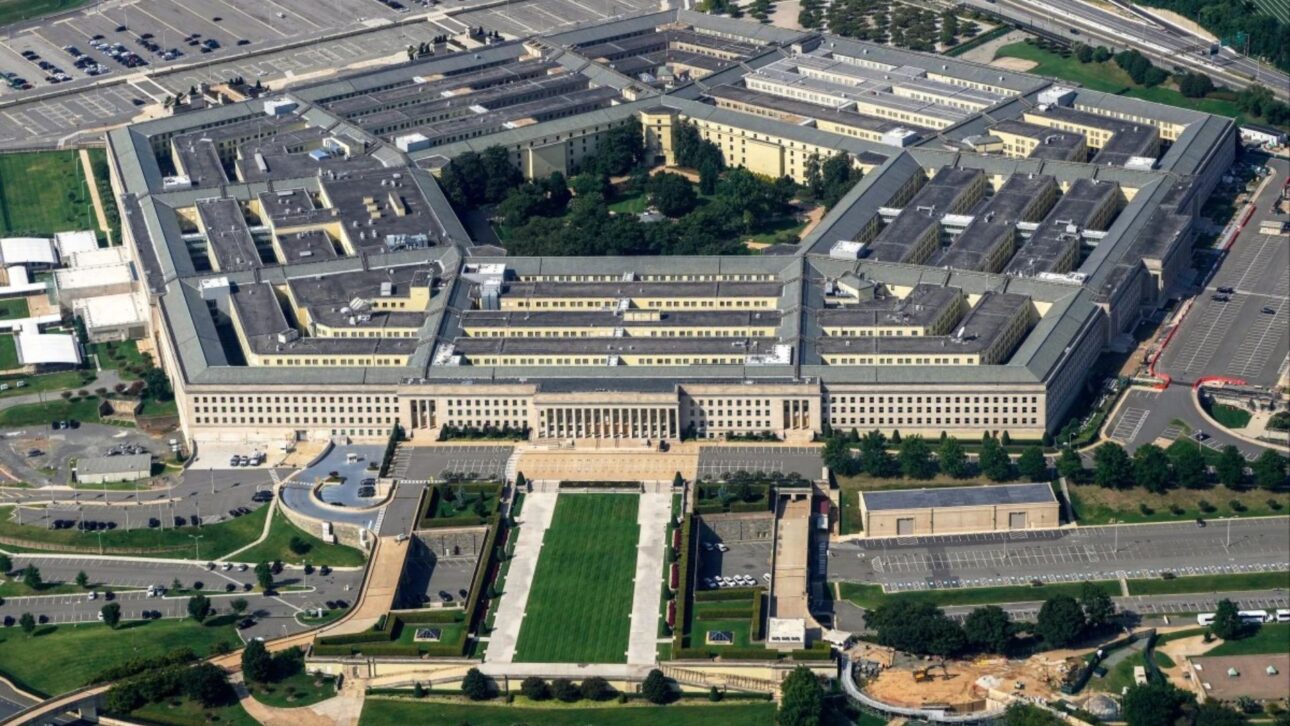
Being on the 1260H military list does not mean, by itself, suffering sanctions.
The direct effect, according to Reuters and CNBC, is that the Department of Defense is prohibited from entering into contracts directly with the listed companies from this month and from acquiring their products through third parties from June 2027.
The greater weight, however, is reputational and strategic.
The designation serves as a warning to American companies about the risks of doing business with the mentioned companies, and firms that have entered this military list in the past have often ended up facing export controls and other restrictions.
The inclusion is not necessarily permanent, and companies can formally request that the Pentagon reassess the case, presenting documents and evidence.
The fragile truce between Trump and Xi
The timing of the disclosure is what makes the episode more delicate.
The update of the military list comes a few weeks after President Donald Trump met with Chinese leader Xi Jinping in Beijing, a meeting in which the two countries sealed a trade truce.
An expanded version of the list was published in February and was withdrawn without explanations, precisely while Trump’s trip to China was being organized.
Beijing’s reaction was immediate.
The Chinese government criticized what it classified as unjustified repression of its companies, opposed the generalization of the concept of national security by the United States, and asked Washington to correct the practices it considers mistaken.
Although both sides have been seeking to maintain stability in the bilateral relationship, the new military list may strain this still recent truce between the world’s two largest economies.
BYD, from leadership in electric vehicles to the Brazilian market
Among all the names, the presence of BYD is the most relevant to the Brazilian consumer.
The automaker surpassed Tesla in 2025 and became the world’s largest seller of electric cars, and in the United States it already faces a 100% tariff on its vehicles, contested in court by its American units in early 2026.
The entry into the military list adds to this scenario of increasing pressure on the company in American territory.
In Brazil, the situation for BYD is quite different.
The brand has established itself as the leader in electric vehicle sales in the country and built an industrial hub in Camaçari, Bahia, making the issue relevant to the national market, even though the military list pertains to defense contracts in the United States, not Brazilian operations.
When approached, BYD and Baidu did not immediately comment, while Alibaba denied the links, stating it is not a Chinese military company, and YMTC said it was deeply disappointed with the decision.
The inclusion of BYD, Alibaba, and Baidu on the United States military list shows how the dispute between the two powers continues to advance over technology, electric cars, and semiconductors.
The measure does not freeze business overnight, but it adds tension to an already fragile truce and increases uncertainty for companies on both sides.
The next chapter will depend on how Washington and Beijing choose to react, between dialogue and escalation.
And you, do you think lists like this help protect national security or just exacerbate the trade war between the United States and China? Do you believe that the pressure on BYD could, in some way, affect the Brazilian electric vehicle market? Leave your opinion in the comments, respecting different views, and share this article with those who follow technology and geopolitics.


