Portuguese
  Spanish


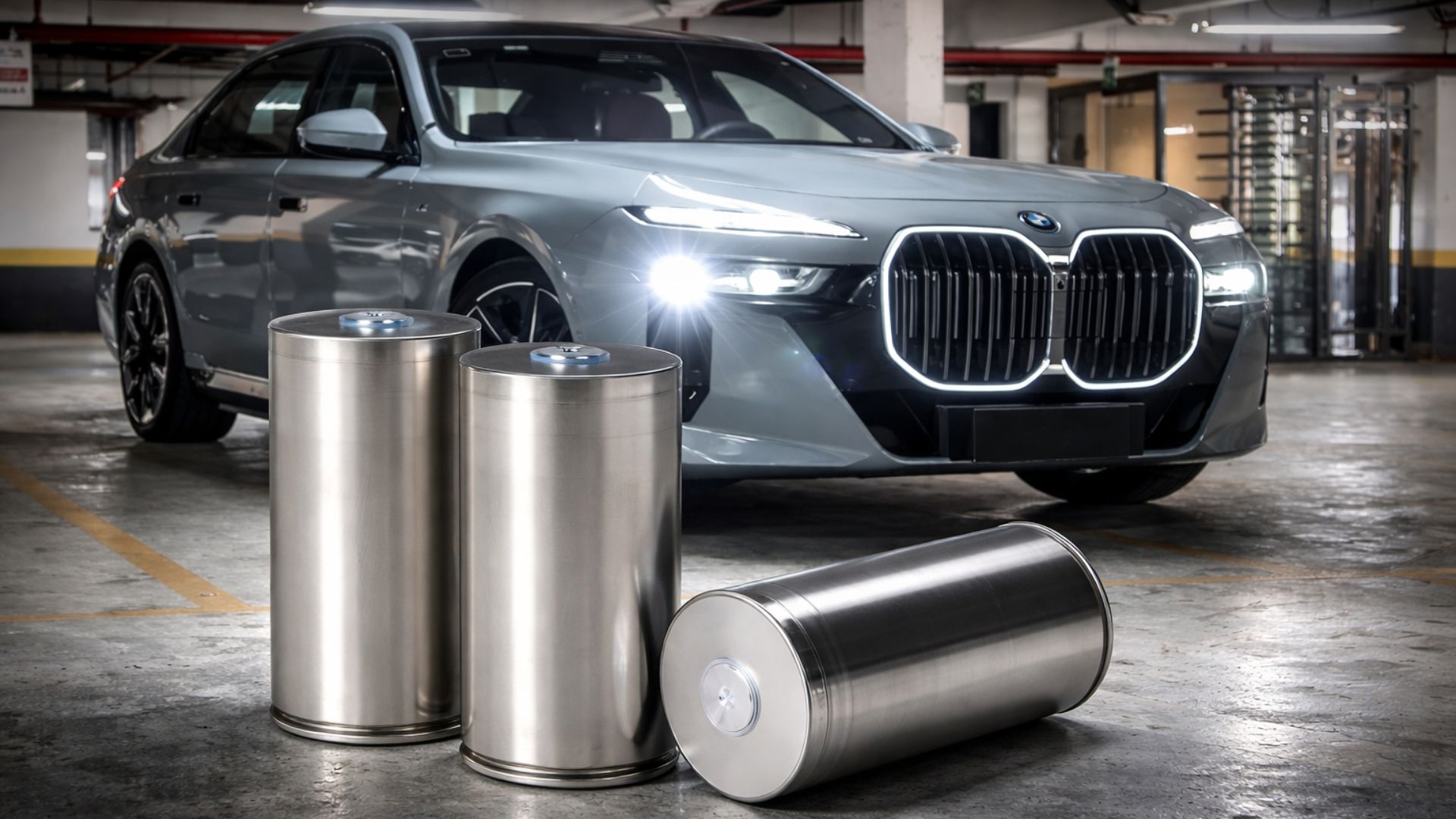

Discover how the BMW i7 uses a new generation of batteries to reduce CO2e, increase sustainability, and improve energy efficiency, with cleaner production and less environmental impact in the global automotive industry.
The strategy of BMW gains strength with the advancement of the BMW i7, which incorporates a new approach to reduce CO2 equivalent emissions and enhance sustainability in the automotive industry. According to the BMW Group, the model’s main highlight is the new generation of batteries, developed to lessen the environmental impact from production to the usage phase.
Right at the most important point, the automaker confirms that the sixth-generation batteries, known as Gen6, allow for a reduction of approximately 33% in carbon footprint compared to the previous generation. This advancement occurs mainly due to the use of renewable energy in production and the integration of recycled materials.
At the same time, the BMW i7 shows that the transition to electric mobility goes beyond eliminating emissions at the tailpipe. The focus is now on the entire production chain, including suppliers, manufacturing, and energy efficiency. This shift in approach positions the model as a benchmark in sustainable innovation.
-
Classic Volkswagen Beetles of Brazilian Presidents to Swap Museums in Historic Partnership

-
British Factory Transitions from Mechanical Parts to Producing 420,000 Electric Power Units Annually, Supplying 70% of Ford’s Electric Cars Sold in Europe
-
Toyota Shifts from Hybrid Cars to Electric Air Taxis with Joby’s 6-Rotor Aircraft, Capable of 322 km/h, Aiming for Mass Production to Electrify Urban Skies

-
Ferrari Unveils Limited Edition 12Cilindri Manuale: 6.5-Liter V12, 830 HP, 0-100 km/h in 2.9 Seconds, Top Speed Over 340 km/h, Only 1,499 Units Available


BMW i7 and the new generation of batteries elevate sustainability to a new level
The significant technological leap of the BMW i7 is directly linked to the new generation of batteries, which redefines the role of electric vehicles in reducing CO2e. Unlike previous generations, the Gen6 cells are produced exclusively with energy from renewable sources.
Additionally, there is a significant change in the composition of materials. Elements such as lithium, nickel, and cobalt now include secondary raw materials, reducing dependence on traditional mining. This decision directly impacts sustainability, as the extraction of these resources often generates high emissions.
Another relevant point is that the active materials of the anode and cathode also follow this more sustainable pattern. This means that the reduction of CO2e does not occur only in the final product but throughout its entire construction base.
This set of measures shows how BMW has been approaching electrification with a broader vision, focused on the complete lifecycle of the vehicle.


CO2e reduction starts even before the car leaves the factory
One of the differentiators of the BMW i7 is the attention dedicated to the supply chain, considered one of the biggest contributors to CO2e emissions in the automotive industry.
BMW works with an approach that includes:
- Increasing use of renewable energy in production
- Integration of recycled materials in key components
- Optimization of industrial processes
With the new generation of batteries, this effort gains even more relevance. The reduction of about 33% in emissions associated with Gen6 cells reinforces the direct impact of these decisions.
This production model also contributes to greater efficiency in resource use, reducing waste and improving the traceability of the materials used.
In practice, this means that the BMW i7 is born with a smaller environmental footprint, something essential to meet global sustainability demands.
Recycled materials gain space and reinforce the sustainability of the BMW i7
The pursuit of sustainability in the BMW i7 is also reflected in the increasing use of recycled materials. A clear example is in the aluminum wheels, which from 2026 may contain up to 70% reused material.
This advancement is significant, as the production of primary aluminum requires a large amount of energy and generates high CO2e emissions. By using recycled material, BMW directly reduces this impact.
Another important point is that the electrolysis of the remaining aluminum and the wheel manufacturing process partially use renewable energy. This further enhances the environmental gains.
Even with these changes, the automaker maintains its strict quality standards. In other words, the new generation of batteries and recycled materials do not compromise performance, safety, or durability.
Energy efficiency and lower consumption strengthen the role of the BMW i7
Energy efficiency is one of the pillars that support the proposal of the BMW i7. It is not enough to just reduce CO2e in production; it is necessary to ensure that the vehicle consumes less energy throughout its use.
In this context, BMW applies the EfficientDynamics package, a strategy adopted since 2007 to improve the energy performance of vehicles. In the electric model, this approach becomes even more relevant.
Among the main factors addressed are:
- Optimized aerodynamics “`
- Construction with lightweight materials
- Reduction of rolling resistance
- Intelligent energy management
These elements work together with the new generation of batteries, increasing efficiency and reducing the need for frequent recharging.
The result is a more efficient vehicle, with a lower environmental impact and better utilization of available energy, reinforcing sustainability at all stages.
Renewable energy production transforms environmental impact
The production of the BMW i7 takes place at the Dingolfing plant in Germany, considered the main hub for luxury vehicles of BMW. This location plays a strategic role in reducing CO2e.
Currently, 100% of the external electricity used in the factory comes from renewable sources. In addition, the unit invests in its own generation, including a photovoltaic system covering about 100,000 square meters.
This system has a capacity of nearly 11 MWp, directly contributing to the energy autonomy of the plant. Another highlight is the biomass heating plant, which began operations at the end of 2025.
These initiatives demonstrate how sustainability is integrated into the production process. It is not just about the car itself, but about the entire structure that makes it possible.
Transparency in CO2e control throughout the lifecycle
BMW also bets on transparency as part of its sustainability strategy. The BMW i7 features the Vehicle Footprint report, which details CO2e emissions throughout the entire lifecycle of the vehicle.
This document is validated by TÜV and made available to the public, allowing access to detailed information about production, materials, and usage.
Among the data presented are:
- Emissions in the supply chain
- Percentage of recycled materials
- Environmental impact during use
This transparency strengthens consumer trust and accompanies an important shift in the automotive industry.
Global goals of BMW reinforce commitment to sustainability and CO2e reduction
The development of the BMW i7 is aligned with global goals of BMW, which follow the principles of the Paris Agreement.
The company aims to achieve climate neutrality by 2050 and reduce its emissions by at least 40 million tons by 2030, considering the levels of 2019.
Additionally, the group recently recorded impressive numbers. In 2025, 2.46 million passenger vehicles and over 202,500 motorcycles were sold, with a pre-tax profit of € 10.2 billion and revenues of € 133.5 billion.
These figures show that it is possible to grow economically while investing in sustainability and reducing CO2e.
A new standard for global electric mobility
The BMW i7 represents a significant shift in how the automotive industry views electrification. The new generation of batteries not only improves performance but also helps reduce the environmental impact of electric vehicles.
By integrating CO2e reduction, renewable energy use, and recycled materials, BMW sets a new standard for the industry. This move is likely to influence other manufacturers and accelerate the transition to cleaner mobility.
More than just technological innovation, the model demonstrates that sustainability can be applied in a practical and measurable way. For consumers, this means access to a more responsible product. For the market, it represents a new level of environmental demand.