Portuguese
  Spanish


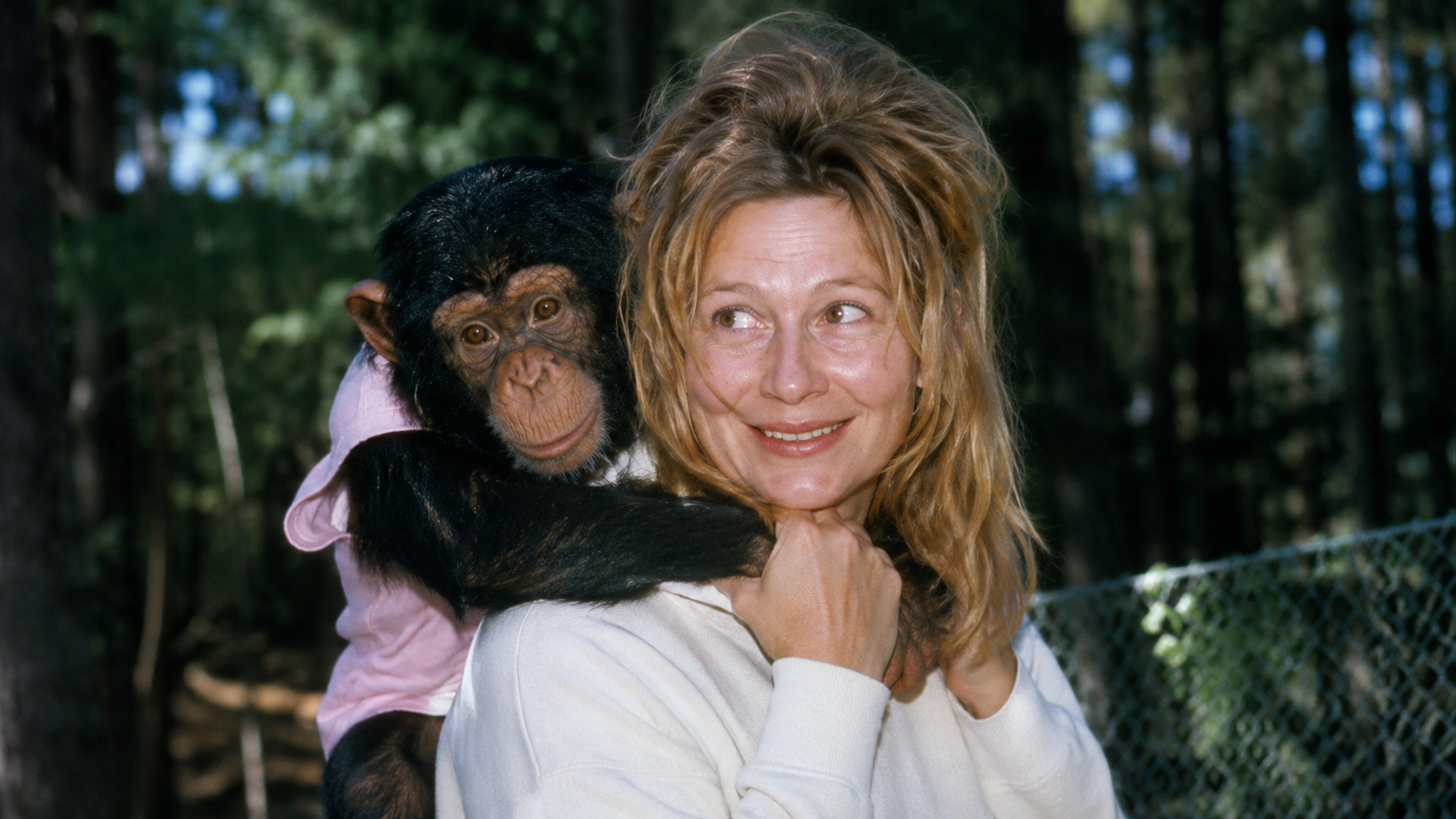

Chimpanzee Travis was raised as a family member in the United States, appeared on television, and became a global symbol of the risks involving wild animals in domestic environments after the case that shocked 2009.
The case of the chimpanzee Travis gained international attention on February 16, 2009, in the city of Stamford, Connecticut, in the United States. The episode became one of the most well-known events about the dangers of domestic coexistence with wild animals.
Travis had been adopted as a baby, in 1995, by Sandra Herold and her husband. From that moment on, the chimpanzee began living inside the residence as a family member.
The animal’s routine attracted the attention of neighbors and the local press. Travis wore clothes, rode in cars, participated in commercials, and appeared on televised entertainment programs in the United States.
-
New Mold Removal Method Eliminates Stains Without Damaging Paint and Tackles Root Cause in Humid Conditions Over 70%

-
Goodbye Kitchen Sponge: New Eco-Friendly Alternative Reduces Microplastic Pollution from Dishwashing.
-
Failed Family Bakery Sparks Engineer’s Innovation, Leading to a $100 Million Energy-Efficient Oven Company in Brazil

-
Elon Musk Loses Trillionaire Status as SpaceX Shares Plummet, Wiping Out $61 Billion in a Day




The public exposure turned the chimpanzee into a sort of local celebrity. The seemingly peaceful coexistence reinforced the perception that he was completely docile.
Experts, however, constantly warned about the risks of this type of coexistence. Chimpanzees have extremely high physical strength and unpredictable behavior, even after years of human contact.
Domestic coexistence hid risks ignored for years

The relationship built between Travis and the family created a false sense of security. The chimpanzee displayed habits similar to those of a common domestic animal, although he remained a wild animal.
The animal’s behavior changed in February 2009. On that occasion, Charla Nash, a close friend of Sandra Herold, went to the residence to help control Travis, who was showing signs of agitation.
The situation quickly got out of control. Reports released at the time by outlets such as The New York Times, CBS News, and ABC News indicated that Travis did not recognize Charla Nash.
The chimpanzee initiated an extremely violent attack. The victim survived but suffered severe physical injuries and needed to undergo prolonged medical treatments.
Brutal attack turned the case into a global warning
Emergency teams arrived at the scene a few minutes after the attack. The chimpanzee remained aggressive even with the presence of the police.
The officers had to shoot the animal to prevent further attacks. Travis did not survive the injuries and died that same day.
The international repercussion reignited discussions about the keeping of wild animals as pets. The case began to be cited in debates related to public safety and the possession of wild species in residential environments.
Charla Nash spent years undergoing reconstructive surgeries. The victim also underwent a facial transplant after surviving the attack.

Travis case expanded debate on laws involving wild animals
Charla Nash’s survival turned her story into a symbol of the consequences involving the domestication of wild animals. Over time, she also began to advocate for stricter laws against this type of practice.
The Travis case continues to be remembered as a warning about the limits of human coexistence with chimpanzees and other wild animals.
The story raises a discussion that remains current in several countries: to what extent can domestic coexistence hide the natural instincts of a wild animal?