Portuguese


The three countries of the AUKUS alliance, Australia, the United Kingdom, and the United States, have signed an agreement to jointly develop combat submarine drones, vehicles that will patrol, surveil, and even attack at the bottom of the sea without anyone on board, while also tightening the schedule of Australia’s ambitious nuclear submarine plan.
Naval warfare is undergoing the same revolution that has already transformed the skies. Just as the air drone forever changed battlefields on land, it is now the turn of the seabed: the so-called unmanned underwater vehicles, machines that dive and operate alone, have become the new frontier of military power. And the countries of the AUKUS alliance have just sealed a pact to lead this race.
The announcement was made by the Defense ministers of the three countries in Singapore and has two pillars. The first is to jointly develop submarine drones, sharing cost, technology, and knowledge. The second is to accelerate the plan to equip Australia with nuclear-powered submarines, one of the largest defense projects underway in the world. Together, these two moves aim at a clear objective: to dominate the depths of the Indo-Pacific.
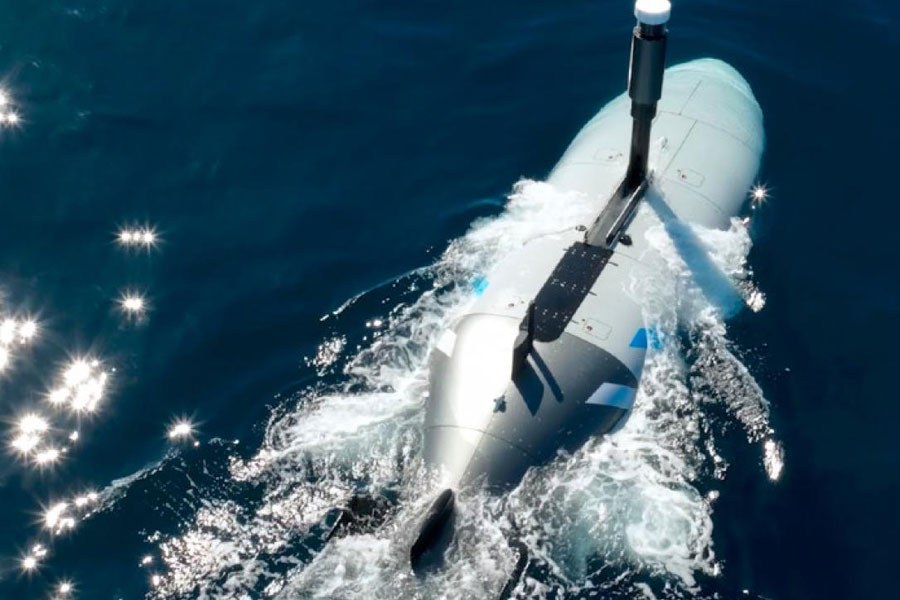
Drones that dive and attack alone
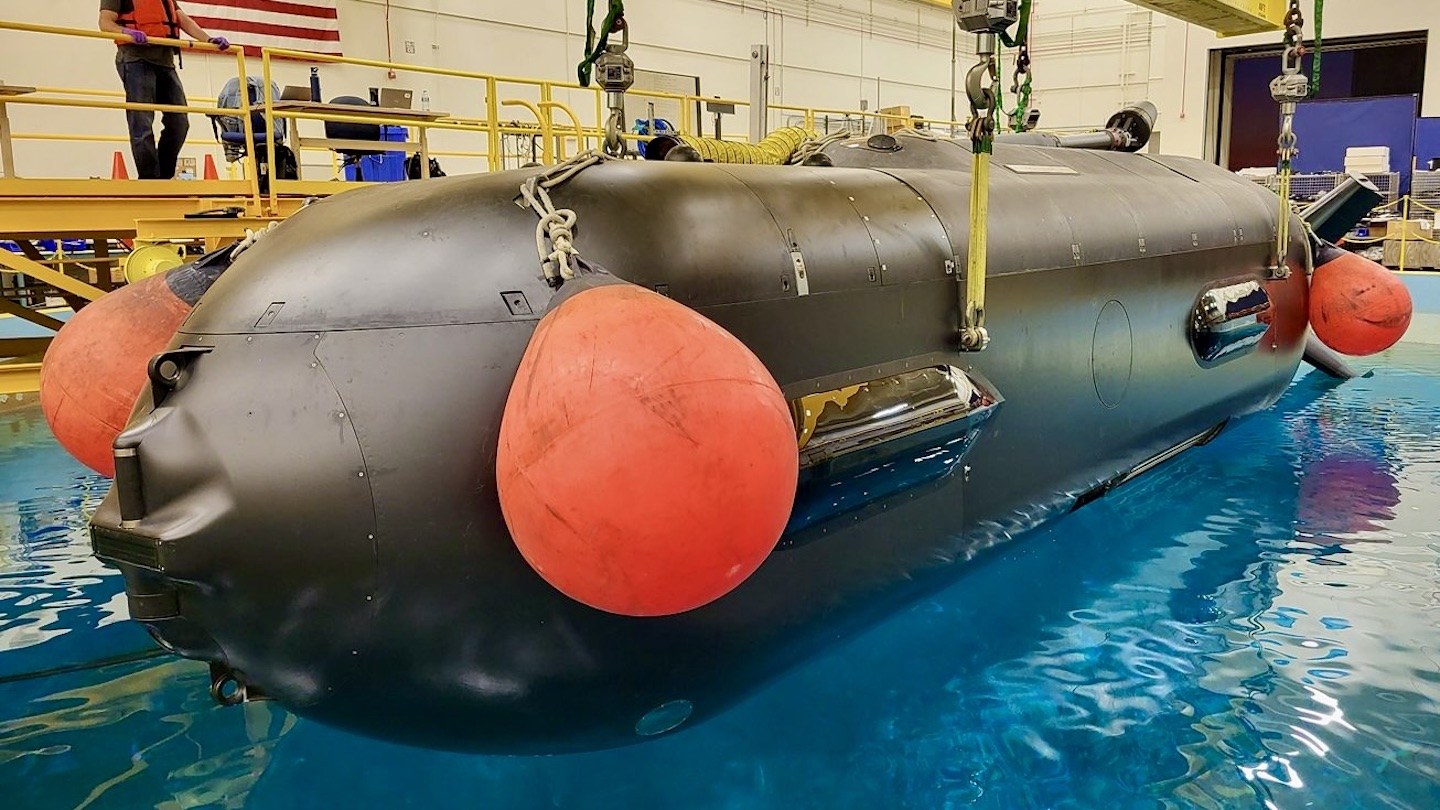
These unmanned underwater vehicles come in all sizes, from robotic torpedoes to machines the size of a small submarine, like the American Orca, capable of traveling thousands of kilometers alone. They can map the seabed, hunt mines, spy on enemy movements, listen to submarine traffic, and in some versions, carry weapons. All this without putting a single sailor at risk in the process.
-
Europe Orders Israel’s Light Cannon Capable of Downing Drones from Five Kilometers at Minimal Cost Per Shot

-
Turkey Delivers Self-Designed Submarines, Emerges as Naval Power Exporter in the Mediterranean
-
France doubled the firepower of the new frigates and increased the missiles from 16 to 32 tubes ready to fire.
-
Spain sent its most advanced frigate to Cyprus and set up an anti-missile shield in the Mediterranean with an eye on Iran.


The great advantage is operating where detecting anything is extremely difficult. Underwater, radar does not work, and communication is poor, making the ocean a natural hideout. A submarine drone can stay weeks lurking silently, powered by batteries, waiting for the moment to act or simply collecting valuable information. It is the war of patience and invisibility, taken to the most opaque environment on the planet.
Why the seabed has become a priority
The reason has a name and address: the Indo-Pacific and the military rise of China. The region concentrates vital trade routes, territorial disputes, and an accelerated naval race, and controlling what happens underwater has become a strategic priority. Submarine cables that carry the world’s internet, submarine fleets, and ship routes pass through there, and whoever sees the depths better gains a huge advantage.
The submarine drones are the cheapest and safest way to keep eyes and ears in this environment. Instead of risking a manned submarine, which costs billions and takes years to build, a fleet of autonomous machines can cover immense areas at a fraction of the cost. It is the same economic logic that made the air drone ubiquitous, now applied to the underwater world, and that’s why the technology has attracted so much investment at once.
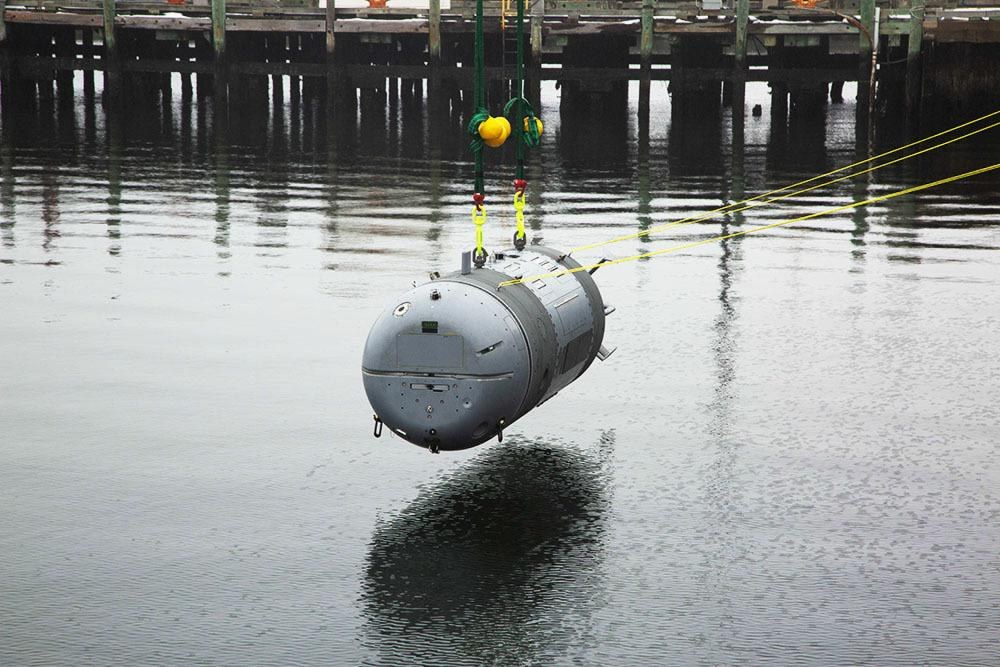
The range of models already in development shows the size of the bet. Besides the American Orca, the size of a bus and capable of crossing oceans alone, there are projects like the Ghost Shark, developed in Australia, and the Manta Ray, designed to lie dormant on the seabed for long periods before awakening for a mission. Each covers a different function, from espionage to attack, and together they form a silent ghost fleet.
The economy behind this is decisive. Building a manned nuclear submarine costs billions and takes more than a decade, while a submarine drone costs a fraction of that and can be manufactured in series relatively quickly. For navies that need to cover immense oceans with limited budgets, multiplying cheap machines instead of betting everything on a few very expensive platforms has become an irresistible equation, and it is this that has unlocked current investments.
The weight of the AUKUS alliance
The AUKUS was born a few years ago precisely to face this scenario, and its flagship has always been to equip Australia with nuclear submarines with American and British help. Now, by adding submarine drones to the package, the alliance expands its reach: it is not enough to have a top-notch manned submarine, it is also necessary to have the cloud of autonomous machines that multiplies the eyes and reach of this fleet in the ocean.
Dividing the development among three countries has practical logic. Each brings a strength: the United States has the most advanced technology and budget, the United Kingdom has naval tradition and industry, and Australia offers strategic geographical position and the urgency of those on the front line of the Indo-Pacific. Together, they avoid duplicating effort and accelerate what each alone would take much longer to achieve.
There are no shortage of open questions. A weapon that attacks alone underwater raises serious dilemmas about how much decision-making is handed over to a machine, and the secrecy of the depths that protects allied drones also protects adversaries, in a cat-and-mouse game that tends to escalate. We are witnessing the birth of a new category of warfare, and its rules are still being written on the fly.
One way or another, the direction is clear: the future of naval power is increasingly decided in the silence of the depths, commanded by autonomous machines. AUKUS has bet high to get there first, and the seabed has officially become the newest and quietest board of the global military dispute.
Are we prepared for a war waged by machines that decide alone at the bottom of the sea?