Portuguese
  Spanish


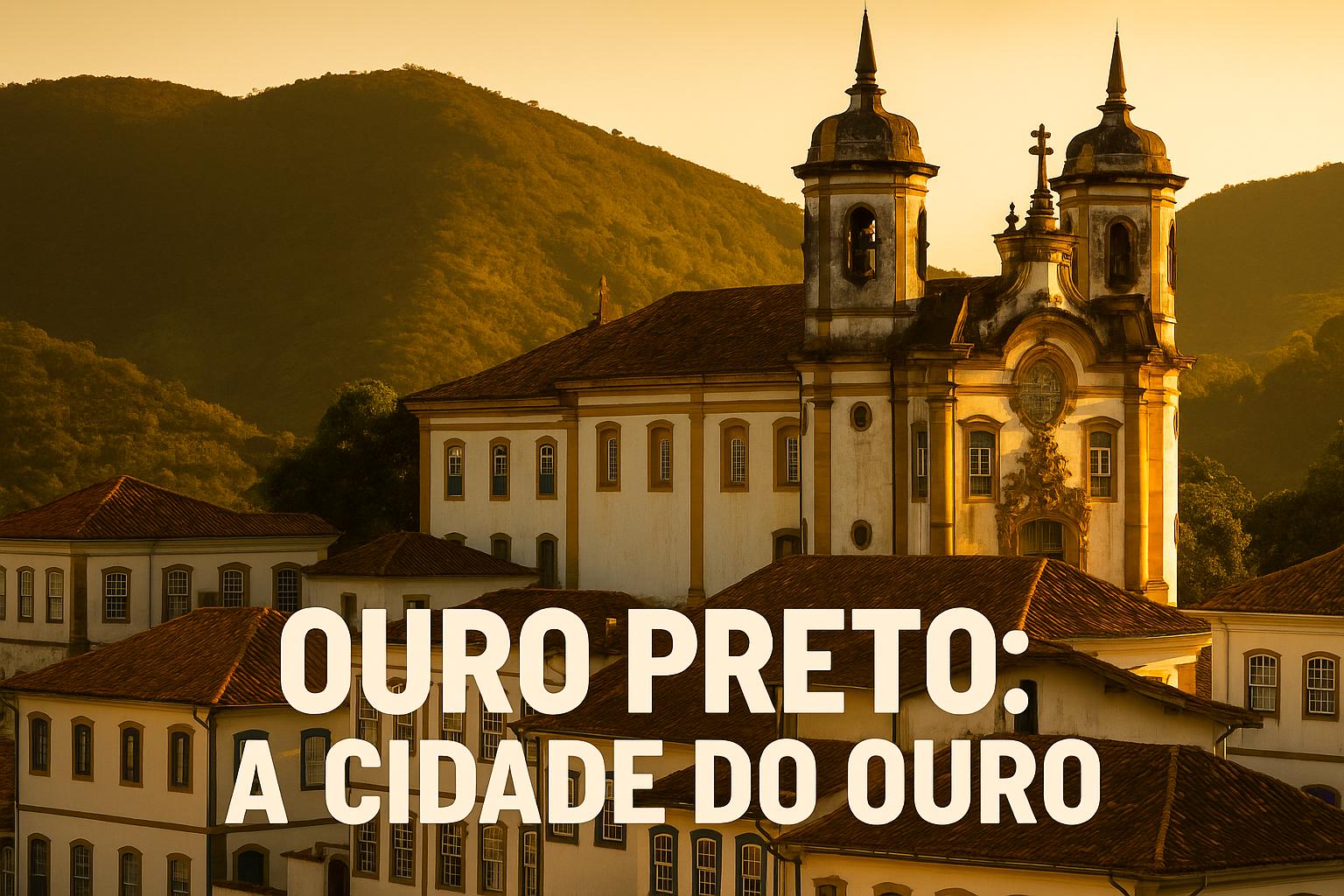

Founded At The Peak Of The Gold Cycle, Ouro Preto Got Its Name From The Darkened Metal Of The Mines And Houses Churches Covered In Gold And Works By Aleijadinho And Mestre Ataíde.
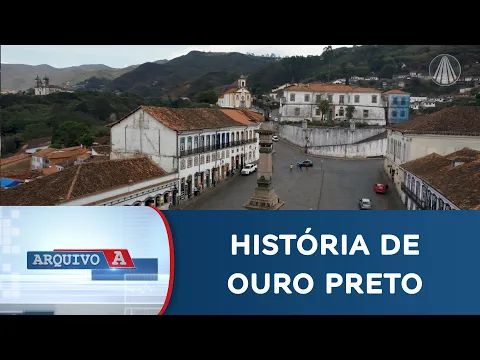
Amidst the valleys and mountains of Minas Gerais stands one of the most impressive and symbolic cities in Brazilian history. Founded in the early 18th century, it emerged from a gold rush that transformed the interior of the country into a global route of wealth. Its name, Ouro Preto, arose from a curious discovery: the gold extracted from the slopes of the mountains had a dark layer of oxide, resulting from the natural impurities in the ore. This blackened color gave it identity and name, a perfect contrast to the golden shine that would mark its entire history.
Ouro Preto: The Heart Of The Brazilian Gold Cycle
Ouro Preto was officially founded in 1711, during the height of the gold rush in Minas Gerais. The location, initially called Vila Rica, quickly became the economic and political center of the Portuguese colony.
The gold extracted from its mountains represented over 70% of the world’s gold production in the 18th century, filling European coffers and driving the construction of palaces and churches both in Portugal and Brazil.
-
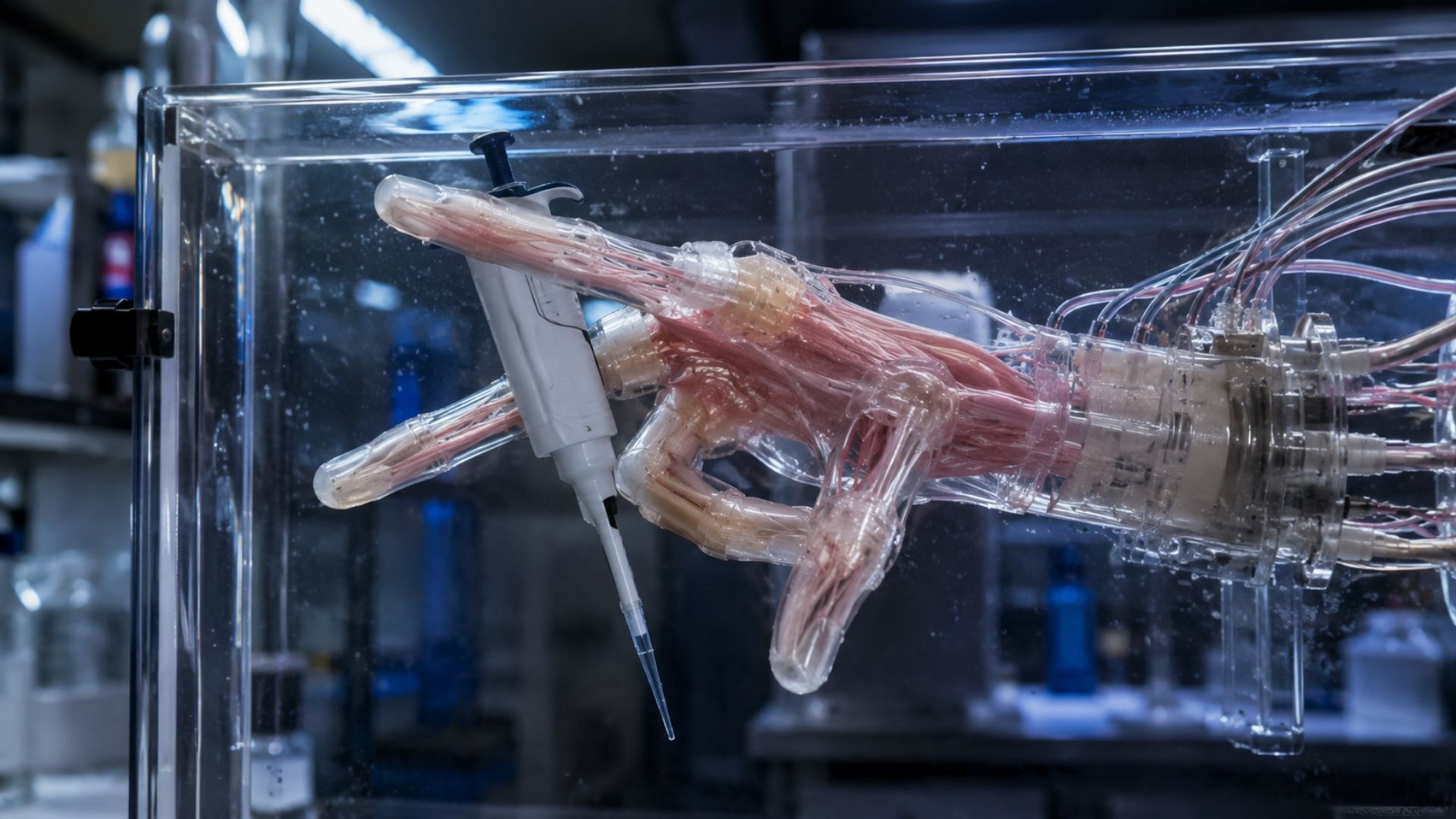
Tokyo Scientists Create First 18cm Biohybrid Hand Using Human Muscle, Capable of Scissor Gesture and Holding a Pipette

-
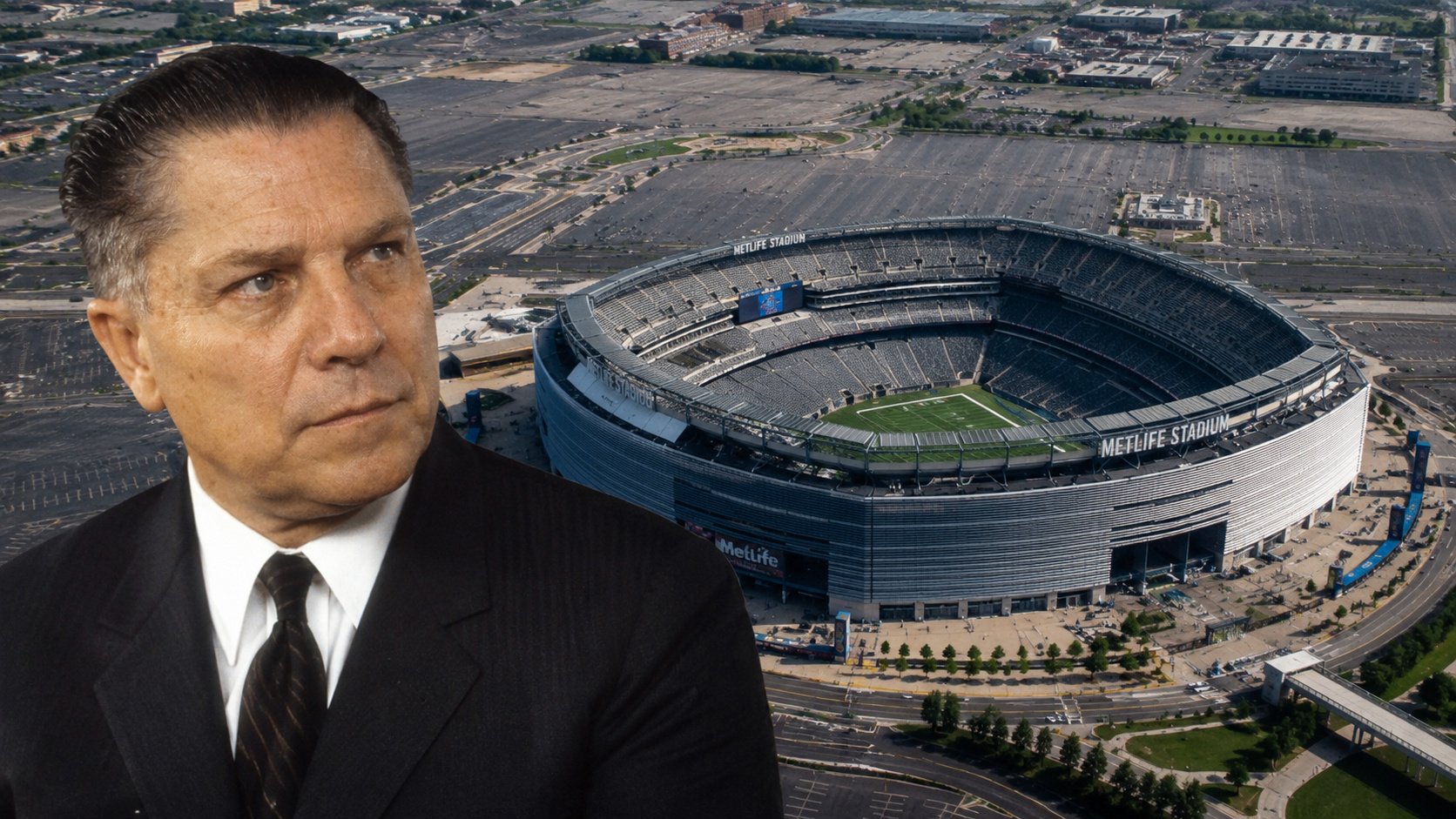
Brazil Faces Norway in World Cup at Stadium Linked to Jimmy Hoffa’s Mysterious Disappearance

-
Retired Woman Leaves French Public Housing Due to Fear, Lives in Van for Weeks, Prompting Response from Local Authorities and a Priest
-
9-Year-Old Fabio Isaac Wins Gold at Copernicus Math Olympiad in Singapore, Representing Peru Against Global Young Talents

The city was even the capital of the Captaincy of Minas Gerais, a status it maintained until 1897, when the government was transferred to Belo Horizonte. During this period, Ouro Preto concentrated wealth, power, and art, becoming the cultural epicenter of colonial Brazil.


At its peak, it is estimated that over 800 tons of gold were extracted from the region — equivalent to tens of billions of reais in current values. The steep, cobbled streets still bear the marks of this period, with colonial mansions that resist the passage of time and modernity.
A Heritage Shaped By Faith And Art
Ouro Preto is one of the cities with the highest concentration of baroque churches in the world. Each of them is a chapter of art and devotion, with interiors adorned with layers of gold and intricately carved wooden sculptures.
The Church Of Saint Francis Of Assisi, a masterpiece by Antônio Francisco Lisboa, Aleijadinho, is considered one of the greatest examples of Brazilian baroque. Its soapstone façade and richly decorated altars represent the union of spirituality and artistic genius.
Another highlight is the Church Of Our Lady Of The Pillar, dated 1733, whose internal ornamentation consumed more than 400 kg of gold. The contrast between the simplicity of its exterior and the luxury of the interior impresses tourists and scholars from all over the world.
Aleijadinho And Mestre Ataíde: The Geniuses Of The Golden Age
The artistic legacy of Ouro Preto is closely linked to two names that defined the mining baroque: Aleijadinho and Mestre Ataíde.
Aleijadinho, a sculptor and architect, transformed stone and wood into unique expressions of faith, producing works that became symbols of Brazilian colonial art.
Meanwhile, Manuel da Costa Ataíde, known as Mestre Ataíde, was the painter responsible for bringing tropical tones and mestizo faces to sacred art, breaking European aesthetic paradigms. His fresco on the ceiling of the Church of Saint Francis, depicting the “Glorification of the Virgin,” is one of the most admired paintings in the Americas.
The City That Inspired Revolutions
In addition to its artistic splendor, Ouro Preto was also the stage for one of the most significant movements in national history: the Inconfidência Mineira.
At the end of the 18th century, intellectuals, military figures, and local poets united in a conspiracy for Brazilian independence. The martyr Tiradentes, born in the region, became the ultimate symbol of this libertarian ideal.
Today, the Inconfidência Museum, housed in the old city hall and prison, preserves documents, works, and artifacts that reconstruct the struggle of the inconfidentes. Ouro Preto is not just a monument of the past — it is also a living reminder of the Brazilian quest for freedom and identity.
World Heritage Site
Recognized by UNESCO in 1980 as Brazil’s first World Heritage Site, Ouro Preto preserves a unique urban and architectural ensemble.
Its narrow slopes, colonial mansions, and monumental churches form a landscape that seems frozen in time.

Even with the advance of modernity, the city preserves its traditions: the processions, the church bells, and the religious festivals continue to be part of the residents’ routine. At the same time, Ouro Preto breathes youth, with an intense university and artistic life, housing students from all regions of the country.
Where The Past Still Shines
Walking through Ouro Preto is like traveling to another century. The uneven cobblestones of the streets hold the sound of carriages from the past, and the aroma of waxed wooden churches blends with that of the mountains. At night, under the yellow light of the lamps, the city takes on an almost mystical aura, the gold that once shone in its mines seems to have transformed into energy that still gleams in its façades and altars.
Ouro Preto is not just the name of a city: it is the reflection of a time when Brazil was the center of global greed. And even with the end of mining, the shine remains not in the stones, but in the memories that transformed this city into one of the most beautiful and symbolic in the world.