






 Portuguese
  Spanish
  3 min of reading
  0 comments


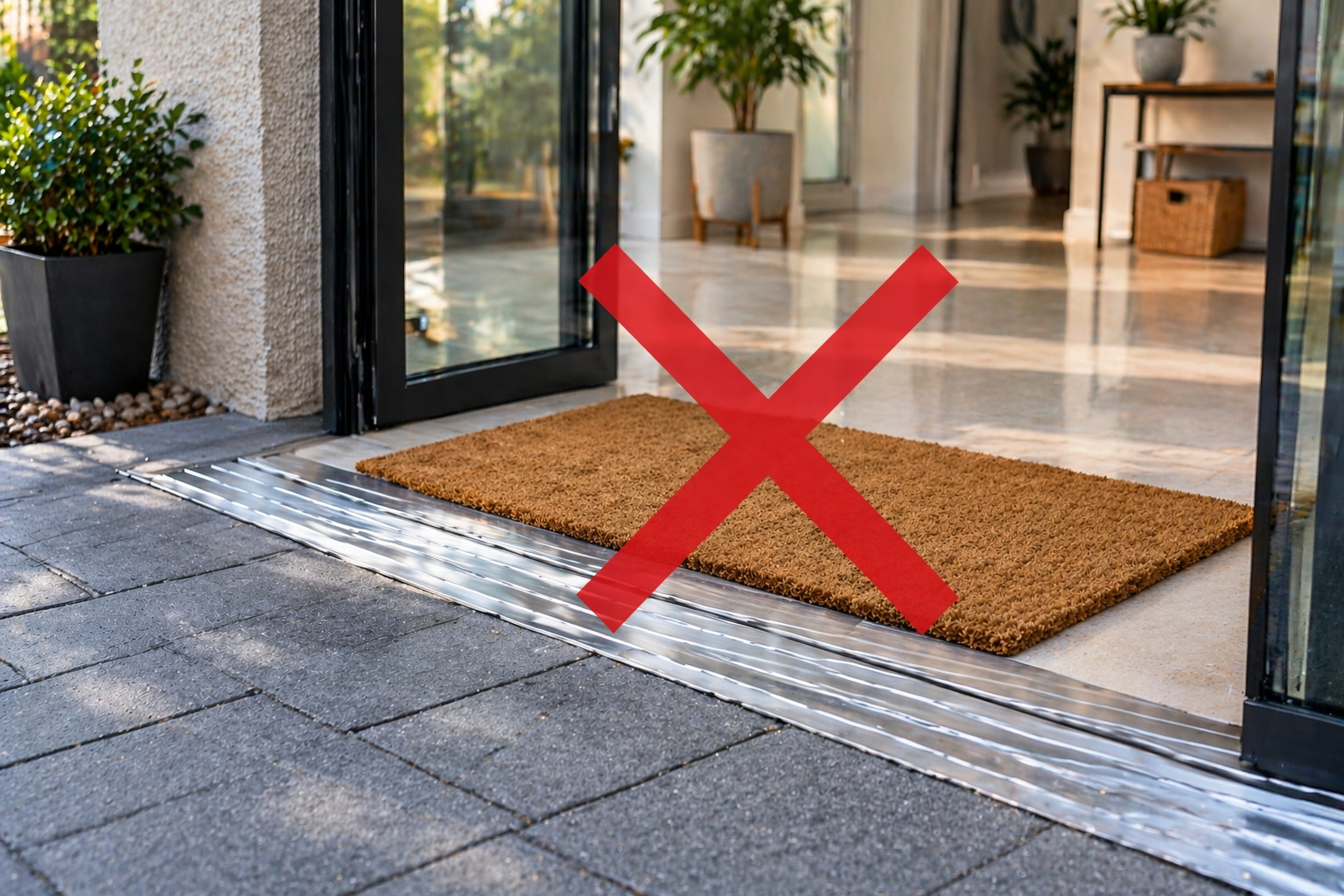
The use of aluminum mats redefines the entrance of properties, improves cleanliness, and reorganizes aesthetics with more resistant and functional solutions
A gradual change has begun to transform the way property entrances are designed in recent years, attracting attention in residential and commercial projects. The aluminum mat has ceased to be just a decorative item and has come to be treated as a functional solution for protection and hygiene, reducing dirt brought inside and contributing to more organized environments. This movement occurs because the material has high resistance to daily wear and aligns with modern architectural proposals that value practicality and durability.
Technical structure transforms performance at the entrance
The aluminum mat is composed of metal profiles organized in aligned modules, which receive inserts of rubber, vinyl, technical carpet, or stiff brushes. This combination creates a grid-like structure capable of removing dirt directly from the soles of shoes before entering the environment. This functionality differentiates the model from traditional mats, as it improves cleaning efficiency and reduces the accumulation of debris in indoor spaces. Moreover, the system was developed to withstand high foot traffic, including the movement of carts and frequent contact with water or mud.

Performance and durability drive the replacement of mats
The popularity of the aluminum mat is linked to its consistent performance and long lifespan, factors that directly influence the choice in high-traffic areas. The material is resistant to corrosion, maintains its structure over time, and offers slip-resistant safety, especially on rainy days. In comparison, coconut or sisal mats, widely used until the 2000s, tend to wear out more quickly in humid or heavily used environments. Over time, these fibers can deform, accumulate dirt, and develop odors, increasing the need for frequent replacements.
-
To halt the advance of the Sahara, the 8,000 km Great Green Wall in the Sahel relies on reforestation to combat desertification, but by 2026 it remains far behind the goal of 100 million hectares.

-
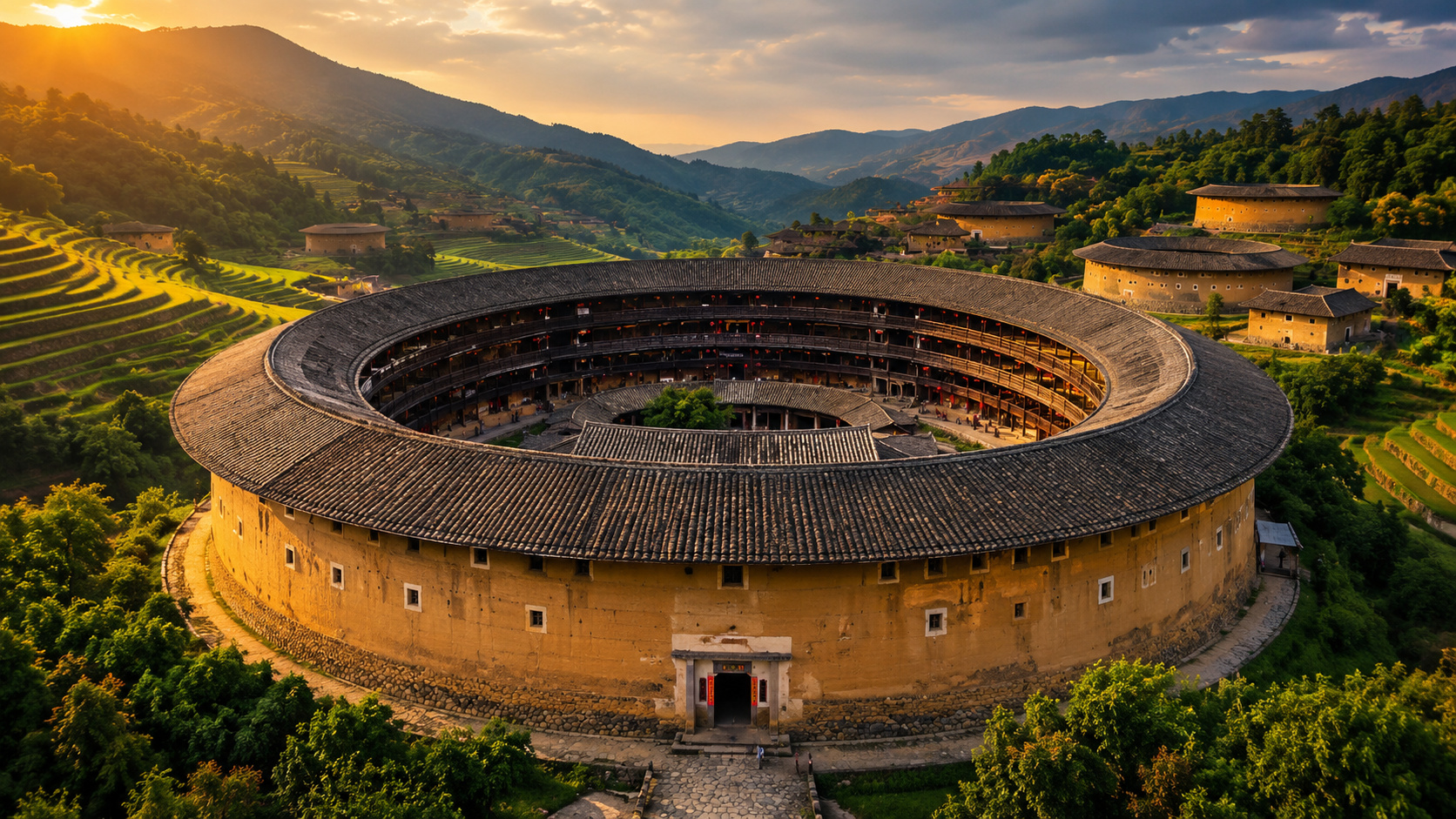
Long before sustainable construction became a trend, China built earthen fortresses with multiple floors, a central courtyard, and the capacity to house up to 800 people living in a community.

-
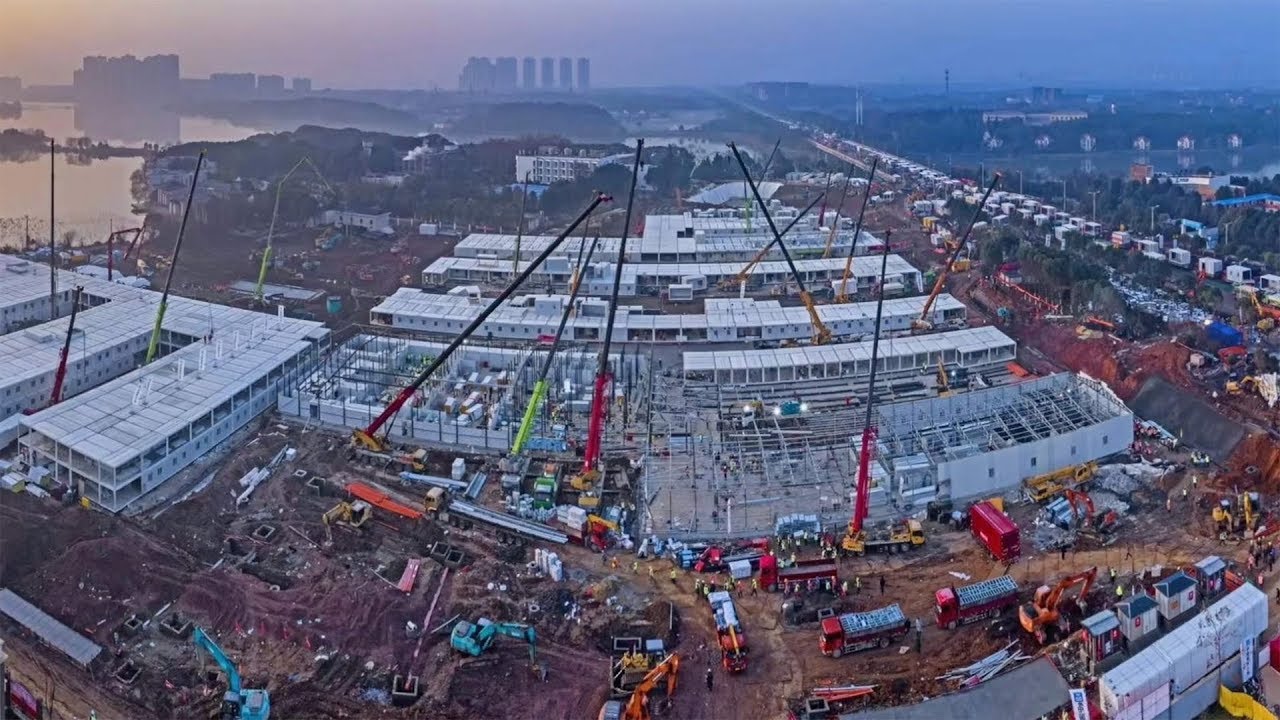
While in the rest of the world building a hospital takes years from design to inauguration, China erected the Huoshenshan Hospital from scratch in just 10 days, with 1,000 beds, foundation, structure, electrical installations, plumbing, and oxygen system ready to receive patients, mobilizing 7,000 workers.

-
Without mortar, grout, or traditional construction: the ClickBrick system assembles brick facades with ceramic pieces held by metal clips, eliminating the need for glue, speeding up installation, and even allowing everything to be dismantled later without turning the construction into expensive permanent debris.


Simple maintenance ensures continuous efficiency
The maintenance of the aluminum mat is considered simple when performed regularly, which helps to preserve its efficiency and prolong its durability. Cleaning can be done by sweeping or vacuuming the surface, followed by the removal of accumulated debris from the crevices. Washing with water and neutral detergent is also recommended, finished with complete drying to avoid unwanted odors. This set of care allows the material to maintain its performance even in outdoor or uncovered areas.

Versatile application expands use in different environments
The aluminum mat demonstrates efficient performance in different types of entrances, being widely used in homes, clinics, offices, and commercial spaces. It also serves as a transition element between outdoor and indoor areas, such as garage accesses. Its neutral appearance facilitates integration with contemporary projects, especially those that use glass and burnt cement, contributing to a cleaner and more organized aesthetic.
The consolidation of a new solution for entrances
The combination of resistance, ease of maintenance, and discreet aesthetics positions the aluminum mat as a consistent alternative to traditional doormats. This change reflects a trend that prioritizes functional and durable solutions, replacing models that require more maintenance. As a result, the entrance of spaces takes on a more strategic role in the organization and conservation of areas, consolidating the use of aluminum as a recurring choice in current projects.





-

-

2 people reacted to this.