Portuguese
  Spanish


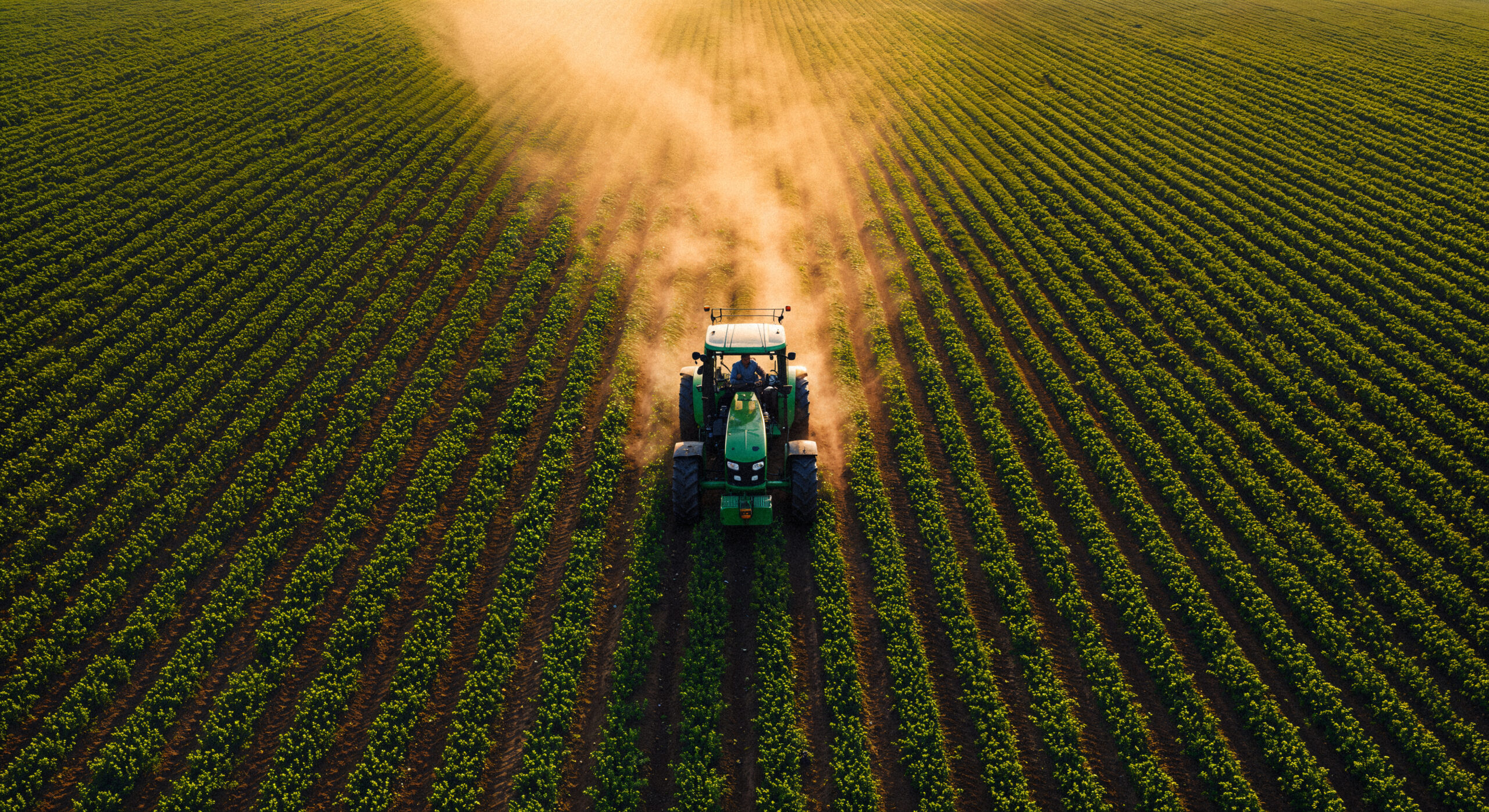

The Brazilian agribusiness faces a new and severe challenge arising from the international scenario. The escalation of conflicts in the Middle East, which began in the first quarter of 2026, has created a domino effect that has hit the input market hard.
The price of urea, the main nitrogen fertilizer used in crops, has seen a significant increase, following the rise in oil prices and logistical uncertainties on strategic routes.
According to recent analyses from specialized consultancies and Itaú BBA, the global fertilizer market is operating under strong pressure.
-
Brazilian Farmers Develop Wheeled Metal Lever to Ease Cassava Harvesting Without Heavy Machinery

-
Study of Brazil’s Tietê River Finds 25 Pesticides in Water, Including Cancer-Linked Substance Near Source
-
Young Entrepreneur Expands from 50 to 1,400 Chickens, Proving “Happy Hens” Can Be a Viable Business
-
Small Farm in Brazil’s Minas Gerais Produces 403 Liters of Milk Daily, Sets Benchmark for Rural Producers


The combination of restricted supply in major producing hubs and the skyrocketing energy costs (especially natural gas) has created a high volatility environment that worries soybean, corn, and sugarcane producers in Brazil.

Why does urea lead the price increases in the input market?
Urea is one of the fertilizers most sensitive to geopolitical crises involving fossil fuels. This is because natural gas is the main raw material for ammonia production, which in turn is the basis for urea.
However, with oil prices flirting with $100 and natural gas rising due to the risk of supply disruption in the Persian Gulf, production costs have skyrocketed.
In Brazil, the effects were immediate:
- Price per Ton: Urea reached approximately $760 per ton (CFR) in mid-April.
- Risk Factor: Risk aversion in the international scenario causes suppliers to hold back stocks, reducing the available supply for import.
- Logistics: The rising cost of maritime insurance and the need for longer routes to avoid conflict areas increase the final price that reaches Brazilian producers.
Phosphate fertilizers also feel the impact
It was not just urea that increased. Phosphate fertilizers are also under strong upward pressure. The main reason is the appreciation of sulfur, an essential input for processing these nutrients for all farmers in general.
According to domestic market data, phosphates such as MAP (Monoammonium Phosphate) have recently increased by about 7%, reaching a value of $890 per ton (CFR).
Although agricultural demand in Brazil is still gradual at this time of year, the fear of prices rising even further has prompted some negotiations by large agricultural groups seeking to secure planting for the next harvest.

The role of the Middle East in global production
The Persian Gulf is one of the largest fertilizer export hubs in the world. Countries in that region are responsible for a considerable share of urea and other nitrogen derivatives consumed globally.
- Supply Restrictions: With the worsening naval tensions, factories in the region are facing logistical difficulties in shipping production.
- Local Energy Cost: Even producers in the Middle East suffer from the strategic reallocation of energy resources for military or national security purposes, reducing industrial efficiency.
- Route Uncertainty: Transport by oil tankers and cargo ships has become a high-risk operation, significantly increasing international freight costs.
Potash: The Scenario of Relative Stability
In contrast to nitrogenous and phosphatic fertilizers, the potash fertilizer market shows greater stability, although it is not immune to the crisis.
The global supply of potassium remains more balanced, with major producers like Russia and Belarus maintaining their trade flows, despite sanctions and tensions on other fronts.
However, the agribusiness closely monitors logistical costs!
Even if the product is available, the cost to bring it to the interior of Brazil is impacted by the rise in diesel and global port tariffs, which may reflect in residual increases in the coming months.
Consequences for the Brazilian Producer and Food Inflation
The increase in production costs is a “ghost” that haunts the field. When fertilizer prices rise, the producer has two options: reduce technology (and consequently productivity) or maintain investment and pass the cost onto the final price of the grain.
- Production Costs: It is estimated that fertilizers account for up to 35% of the total costs of a grain harvest.
- Food Security: The sustained rise in urea prices may pressure corn and wheat prices, which are the basis for animal feed and the baking industry, generating inflation in supermarkets.

Brazil’s Import Strategy in the Face of the Crisis
Brazil is highly dependent on imports to meet its fertilizer needs (about 85% of what is consumed comes from abroad), thus the war scenario in the Middle East exposes this structural vulnerability for our land.
Experts argue that the country needs to accelerate internal production projects, such as those outlined in the National Fertilizer Plan (PNF), to reduce exposure to the whims of international geopolitics.
Meanwhile, the solution has been to diversify suppliers, seeking partnerships in North Africa and in North America to mitigate the risk from the Middle East.
Outlook for the Second Half of 2026
In the coming months, the expectation is for a still tight market. If the conflict in Hormuz and other regions of the Middle East persists, prices are not expected to ease anytime soon.
Thus, the trend is for prices to remain at elevated levels, with volatility dictated by each new military development in the region.
So, what should the producer do? Consultants suggest caution. Daily monitoring of quotes and the strategy of “staggered purchases” can help avoid price spikes.
Additionally, optimizing the use of inputs through precision agriculture becomes even more essential to ensure profitability in times of high input costs.