Portuguese
  Spanish


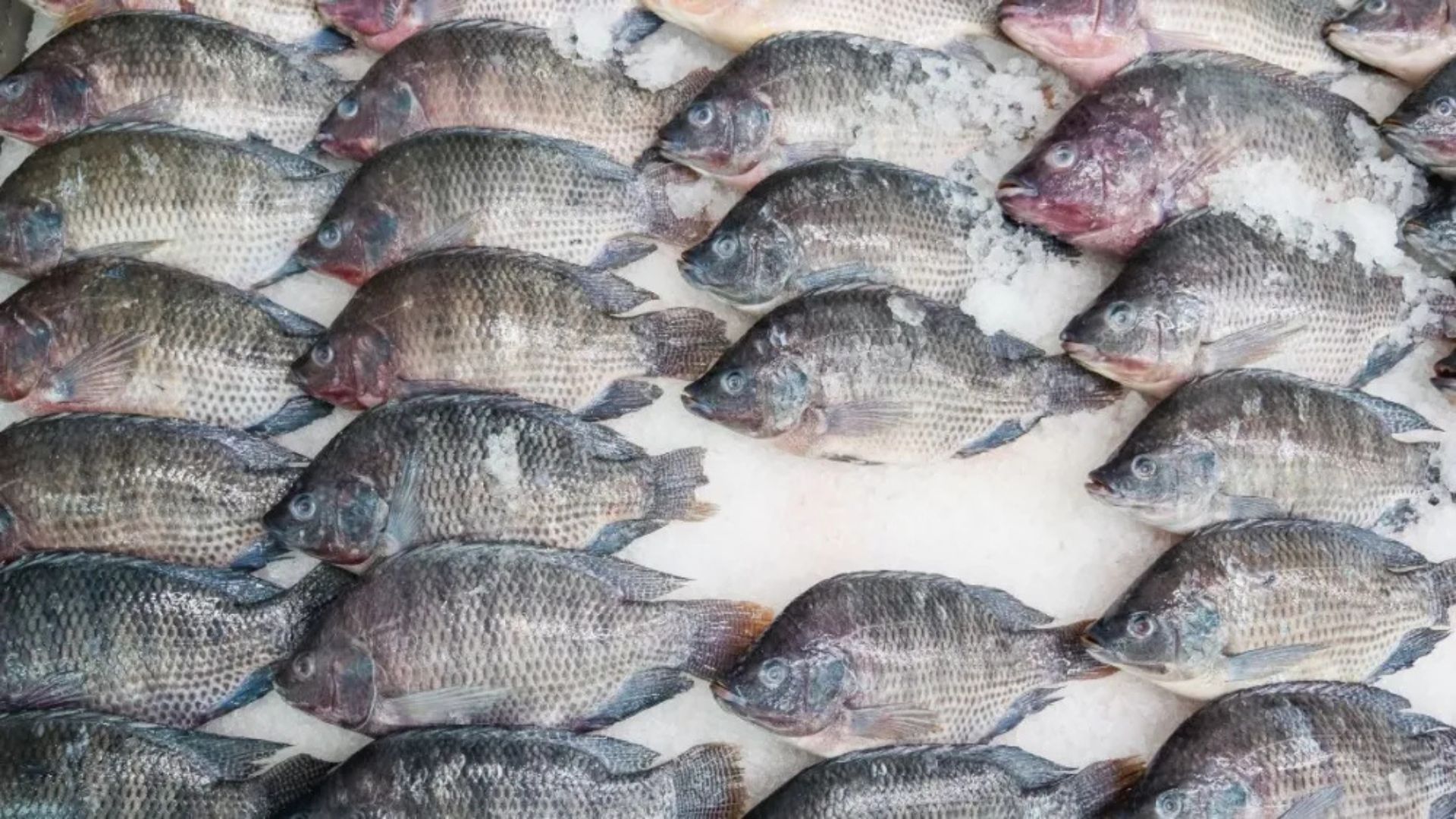


Science Applied to Tilapia Gains Strength Amid Debate Over Invasive Exotic Species, Focusing on Reproductive Control, Sterility, and Closed Systems That Reduce Escapes.
Brazilian tilapia production has already surpassed 600 thousand tons per year and generates around US$ 1.4 billion, according to the Brazilian Association of Aquaculture (Peixe BR).
At the center of this market, a line of research conducted by the Agricultural Research Company of Minas Gerais (EPAMIG) seeks to address one of the most sensitive points in the sector: how to reduce environmental risk associated with escape and reproduction of the fish outside of farms, at a time of public debate regarding the inclusion of the species in the National Official List of Invasive Exotic Species, conducted by Conabio.
The topic gained traction after Conabio included tilapia on the list, a decision that, according to discussions in legislative bodies, does not mean an automatic prohibition of commercial farming, but raises alerts about costs, licensing, and operational requirements.
-
Brazilian Family’s Cheese, Started with One Cow in 1984, Named Best in the World, Beating 2,700 Competitors from 30 Countries

-
Brazilian Ranchers Use Satellites to Optimize Pasture Management and Prevent Feed Loss in Cattle Farms

-
Russia Follows China in Recognizing Brazil as Free from Foot-and-Mouth Disease Without Vaccination, Boosting Meat Exports and Agribusiness Potential

-
23-Year-Old Brazilian Turns Beekeeping into College Tuition, Harvesting Honey Twice a Year from 50 Hives





At the same time, the Ministry of the Environment and Climate Change reinforced, in public statements, that the process involves reviewing and discussing measures to minimize impacts, without indicating eradication of the species.
Debate on Tilapia and the List of Invasive Exotic Species

Tilapia, originally from Africa, is a fish introduced to Brazil and therefore frequently appears in the debate on exotic species.
In recent hearings and statements, the topic has been addressed as a crossroads between production and biodiversity, with calls for technical criteria and legal security.
In the Legislative Assembly of Minas Gerais, for example, the discussion was presented as an environmentally focused decision, but with impacts on the production chain that are not yet fully clarified, potentially affecting everything from licensing routines to new requirements for producers and industries.
In the Senate, the Agriculture and Agrarian Reform Commission also addressed the topic and recorded the controversy surrounding the resolution and the technical notes referenced in the debate.
Masculinization of Tilapia and 100% Male Crop Target
One of EPAMIG’s strategies to reduce environmental risks is to directly alter the reproductive potential of the animal.
The institution claims it works on reproductive control through the development, optimization, and implementation of technologies aimed at masculinization and inhibition of reproduction, focusing on environmental safety.
Researcher Franklin Costa from EPAMIG contextualizes the objective by differentiating concepts that often get mixed up in public discourse.
“It is important to clarify that tilapia is not an invasive species, but rather an introduced species in Brazil.
The impacts of this fish’s interaction in Brazilian lake environments are still little studied; however, attention must be paid to environmental effects, such as the escape of individuals with reproductive capacity into the natural environment,” he stated.
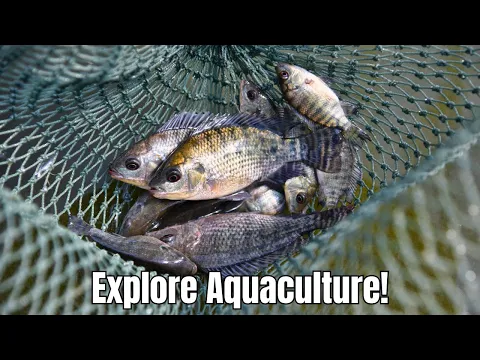

Today, hormonal masculinization is used to form predominantly male batches, a practice associated with better productive performance and, at the same time, a lower chance of unwanted reproduction.
Still, EPAMIG emphasizes that conventional methods leave a margin of error, with about 5% females with reproductive capacity.
From this point comes the goal that sets the tone for the title: to eliminate this flaw, achieving 100% male batches.
According to EPAMIG, this effort is conducted in partnership with the Federal University of Minas Gerais, with strategies to achieve total males and reduce the risk of reproduction in case of escapes.
Sterile Fish and Chromosomal Manipulation in Aquaculture
Besides pursuing entirely male batches, the research mentions another layer of protection: the production of sterile tilapias and obtaining males through chromosomal manipulation.
In the logic presented by the institution, the combination of these fronts targets the same problem through different paths, limiting the chance that an escaped animal can establish and multiply in the natural environment.
EPAMIG frames the strategy as part of a set of actions to mitigate environmental risks, especially in regions where farming coexists with water bodies and where, historically, the sector is required to strengthen barriers against escapes.
Closed Systems, Water Recirculation, and Reduction of Escapes
Another area cited by EPAMIG concentrates efforts on the production structure.
The institution highlights intensive water recirculation systems, known as RAS, and also the use of biofloc technology, BFT.
These models, according to EPAMIG, favor tilapia growth in a controlled environment, and being disconnected from natural environments significantly reduces the risk of escape.
In practice, the proposal shifts production cycle stages to structures with greater control, reducing the exposure of farming to areas where escapes would have more difficult-to-manage environmental consequences.
This point appears as a direct response to the most recurrent argument in the debate: the fear that fertile individuals reach rivers and lakes and find conditions for reproduction.
Genetic Improvement for Cultivation and Lower Survival in Nature
EPAMIG also claims to work on genetic improvement with a specific focus: productive performance in captivity and lower survival capacity in natural environments.
The idea, according to the institution, is that a fish selected to respond better to feed, density, and management routines of controlled systems becomes less competitive outside these parameters.
In this context, Franklin Costa summarized the objective in a straightforward statement.
“The fish is improved for production in captivity; if it escapes, it will have minimal chances of survival compared to wild fish.”
Production in Net Pens and Integration of New Technologies
Despite the push for more closed systems, EPAMIG does not describe the agenda as an immediate replacement for the more common models.
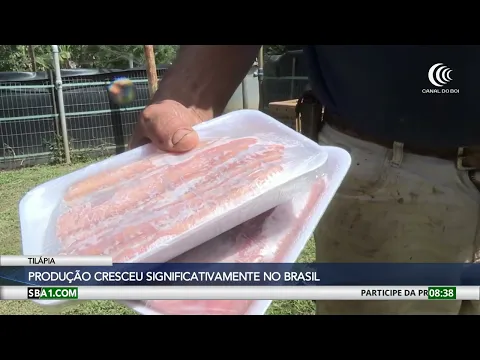
The institution acknowledges that Brazilian production primarily occurs in earthen ponds and net pens, and positions research as a way to integrate controlled systems in critical phases of farming and shorten the period of the production cycle that occurs in natural environments.
This design attempts to preserve production scale while addressing the risk mitigation requirements that have begun to gain weight in institutional debate.
Instead of opposing technology and current practice, the presented proposal seeks to fit new tools into what already exists, altering process stages without disorganizing the entire chain.
At the same time, the regulatory environment remains under discussion.
The Ministry of the Environment has cited the review of the list as a procedure foreseen within the scope of Conabio and stated that the debate is not aimed at prohibiting farming, but at discussing measures to reduce potential impacts on the natural environment.
With tilapia at the center of this conversation, the sector is watching how science, regulations, and production will adjust, without losing sight of the economic scale of the activity.