






 Portuguese
  Spanish
  5 min of reading
  0 comments


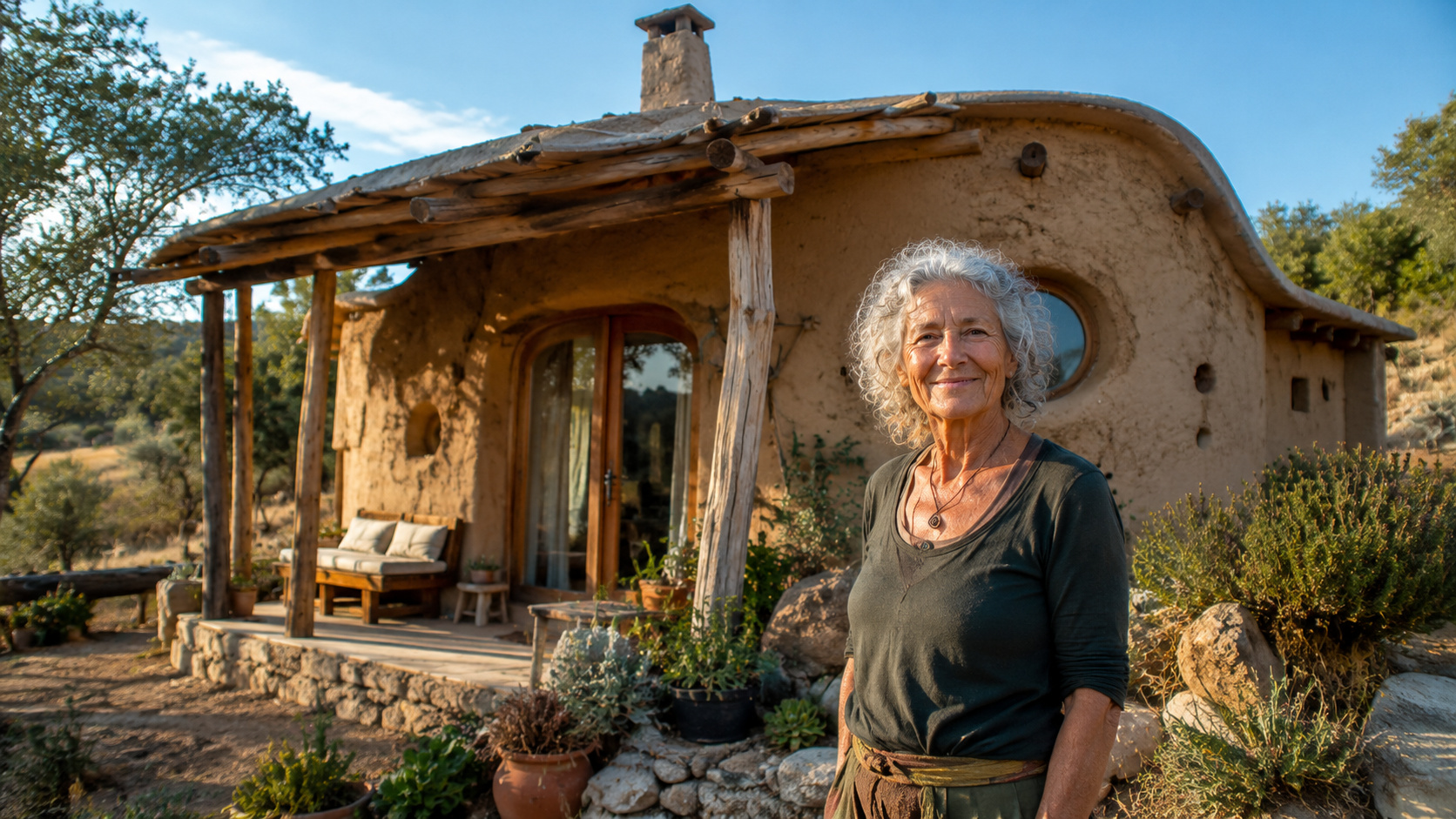
Tired of urban life, a woman left the United Kingdom, chose a rural plot in Portugal, and transformed clay into a house to live with more autonomy. The decision draws attention because it combines changing countries, natural construction, and a quest for less consumption in daily life.
The protagonist is Veronica, a woman who appears living in a house made of clay in a Portuguese rural area. The information was published by Liveration, a YouTube video channel, and shows the dwelling as part of a personal choice, not as an improvisation or lack of options.
The story is interesting because it talks about housing, active aging, and life in the countryside in simple language. Instead of relying solely on the traditional urban model, Veronica opted for a clay house to create a routine more connected to the land, climate, and nature.
-
Beach umbrella with days numbered: well-known beach bans the use of the item, charges a fee of R$ 59 to enter, limits access to only 150 people, and tightens rules after an incident that led to the emergency evacuation of bathers.

-
China innovates and now uses bubbles in construction to prevent dust and noise pollution, with structures up to 50 meters and 20,000 m² that reduce impacts by up to 90% and also operate with advanced sensors and ventilation.
-
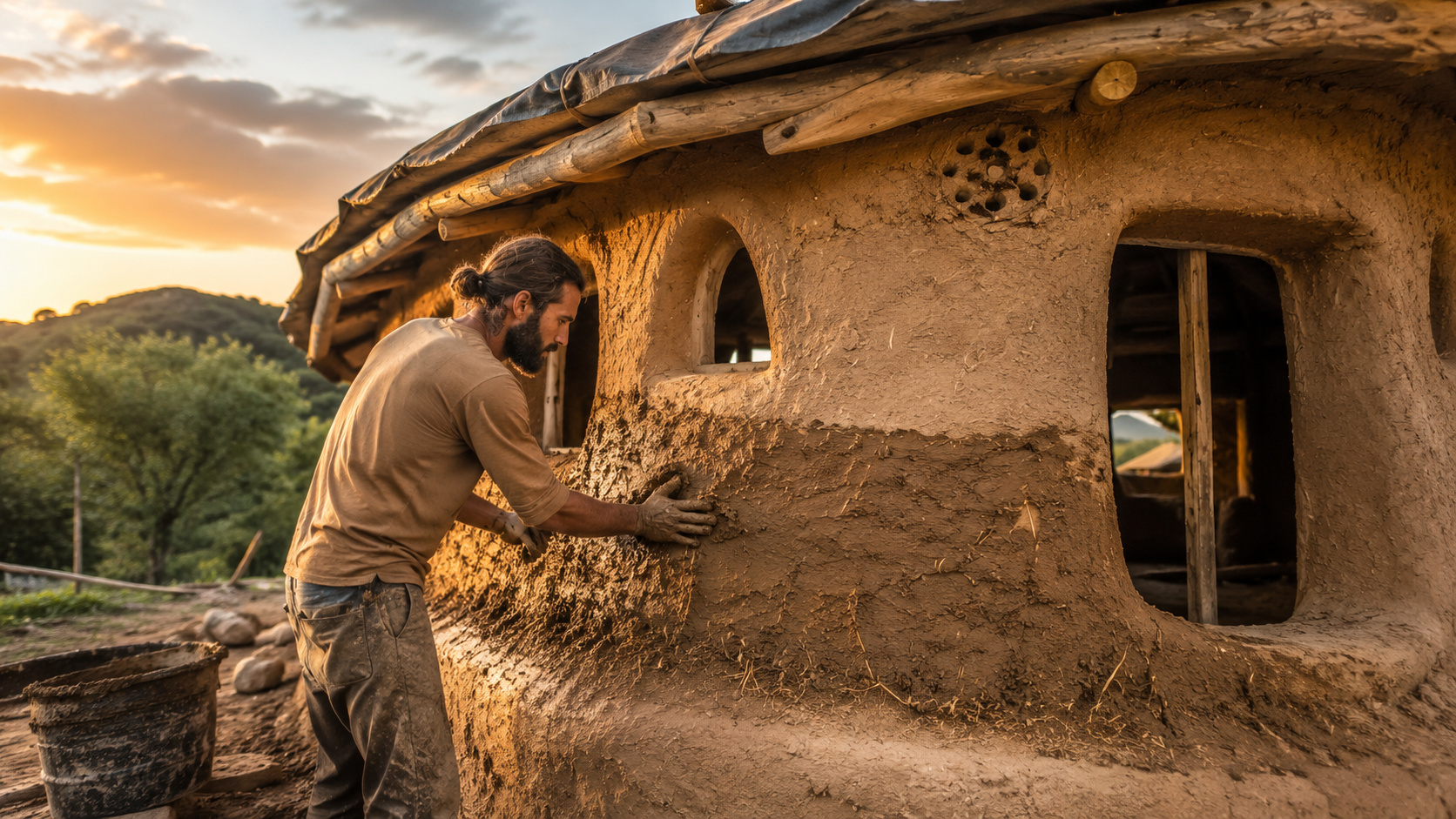
Instead of conventional blocks and concrete, the builder mixes earth, sand, straw, and water to erect a mud house with manually made walls.

-
Brazilian siblings aged 11 and 7 read 240 books in just one year and caught attention on social media: while many children spend hours on screens, they turned their family’s routine into an example of reading, discipline, and curiosity.




The woman who swapped urban life for a rural plot in Portugal
Veronica left the United Kingdom and started living on a rural plot in Portugal. The change is not just seen as a change of address, but as a decision to reorganize her own life around a simpler house and a routine away from urban pressure.


The choice for the countryside changes the relationship with space. In a city, many things depend on ready-made structures, nearby services, and constant consumption. On the rural plot, the house becomes part of a lifestyle where the resident pays more attention to the place they live in.
This point makes the story compelling for those interested in rural housing topics. Veronica’s house is not presented as a luxury, nor as a perfect solution for everyone. It represents a concrete experience of living with more autonomy and less dependence on the city.
How clay became a house in a natural construction in the countryside
The house was built with clay, an ancient material closely linked to natural construction. Instead of highlighting a work made with industrialized materials common in cities, the story places earth at the center of the dwelling.
Clay draws attention because it is simple to understand. It comes from the very logic of the soil and can be used in walls when there is technique, care, and protection against water. The main idea is clear: it’s not enough to just mix earth and water, the construction needs preparation.
In Veronica’s case, the house shows a rustic aesthetic and a direct relationship with the rural environment. The dwelling does not try to hide the material used. On the contrary, clay appears as part of the house’s identity and the life she chose to lead in Portugal.
Why a clay house can offer comfort in the right climate
Constructions made with earth often draw attention for their thermal comfort. This means that the walls can help the house feel less of the sudden temperature changes, as long as the project is well planned.
The explanation is simple. Clay walls can absorb heat and release that heat slowly. Thus, the house tends not to heat up or cool down as quickly as a very light construction.
This benefit, however, depends on several precautions. The house needs to have good coverage, protection against moisture, and a base capable of keeping water away from the clay. Without this, the material can lose strength over time. Therefore, natural construction requires knowledge, even when using simple materials.
Less consumption does not mean living without planning
Veronica’s story also arouses curiosity because it conveys the idea of a life with less consumption. The clay house appears as an alternative to the urban housing standard, which often depends on purchases, constant renovations, and expensive materials.
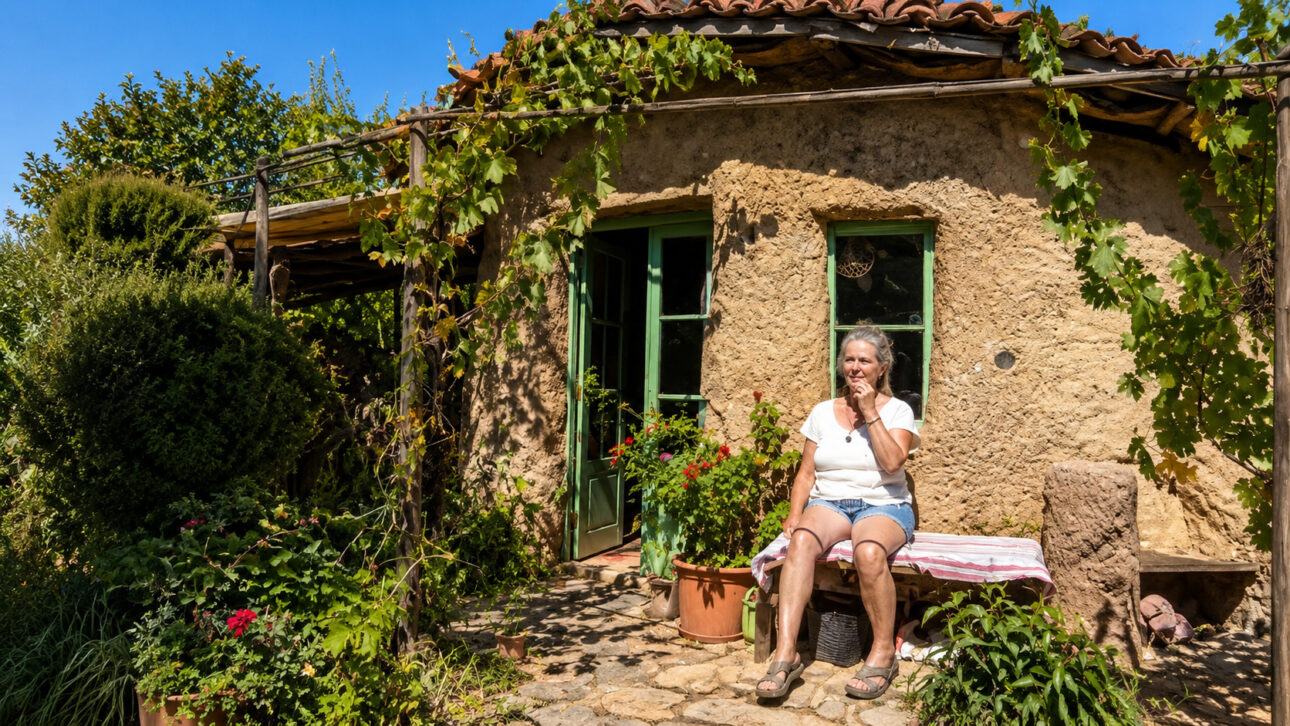
Even so, living in a natural house does not mean living without structure. A house needs to be safe, protect from rain, offer comfort, and allow for a viable routine. The difference lies in the type of choice made before the construction and the way the building interacts with the land.
This care prevents a wrong reading of the story. Veronica’s house should not be seen as a magical solution for anyone. What stands out is the decision to build with clay and live in a rural space with more awareness about consumption, maintenance, and autonomy.
The story also talks about autonomy in a rarely depicted phase of life
The fact that Veronica is an older woman makes the story even more interesting. Many narratives about radical life changes show young couples, adventurers, or people seeking quick experiences. Here, the protagonist is a woman in another phase of life, making big decisions about housing and the future.
This brings the story closer to the theme of active aging. The expression means continuing to participate in one’s own choices, learning new things, and leading one’s routine with independence. Veronica appears precisely in this position.
The second information published by Liveration, a YouTube video channel, reinforces this perspective by showing the resident inside her own house, in contact with the space she chose to build and inhabit. The strongest point is not just the clay, but the decision to use the home as part of a new way of living.
What this clay house in Portugal teaches those looking from Brazil
Veronica’s experience should not be copied without care. Each country has its own construction rules, each plot has limits, and each climate requires different solutions. In Brazil, any house needs to comply with local regulations, work safety, and soil conditions.
Even so, the story helps to think beyond the common housing model. It shows that a house can be planned with natural materials, provided there is technical care and respect for the environment.
The clay house in Portugal also shows that autonomy does not mean complete isolation. It means reducing dependencies where possible, choosing better what is consumed, and building a routine closer to the place where one lives.
Veronica’s journey combines changing countries, rural life, and natural construction in a story easy to understand but full of layers. The clay house does not appear as improvisation, but as part of a choice for more autonomy, less consumption, and more contact with nature.
In the end, the question that remains is simple and profound: do you think a house made of clay can represent freedom and constructive intelligence, or does this type of housing still seem too far from Brazilian reality? Leave your opinion or share with someone who dreams of living closer to nature.





Be the first to react!