






 Portuguese
  Spanish
  4 min of reading
  0 comments


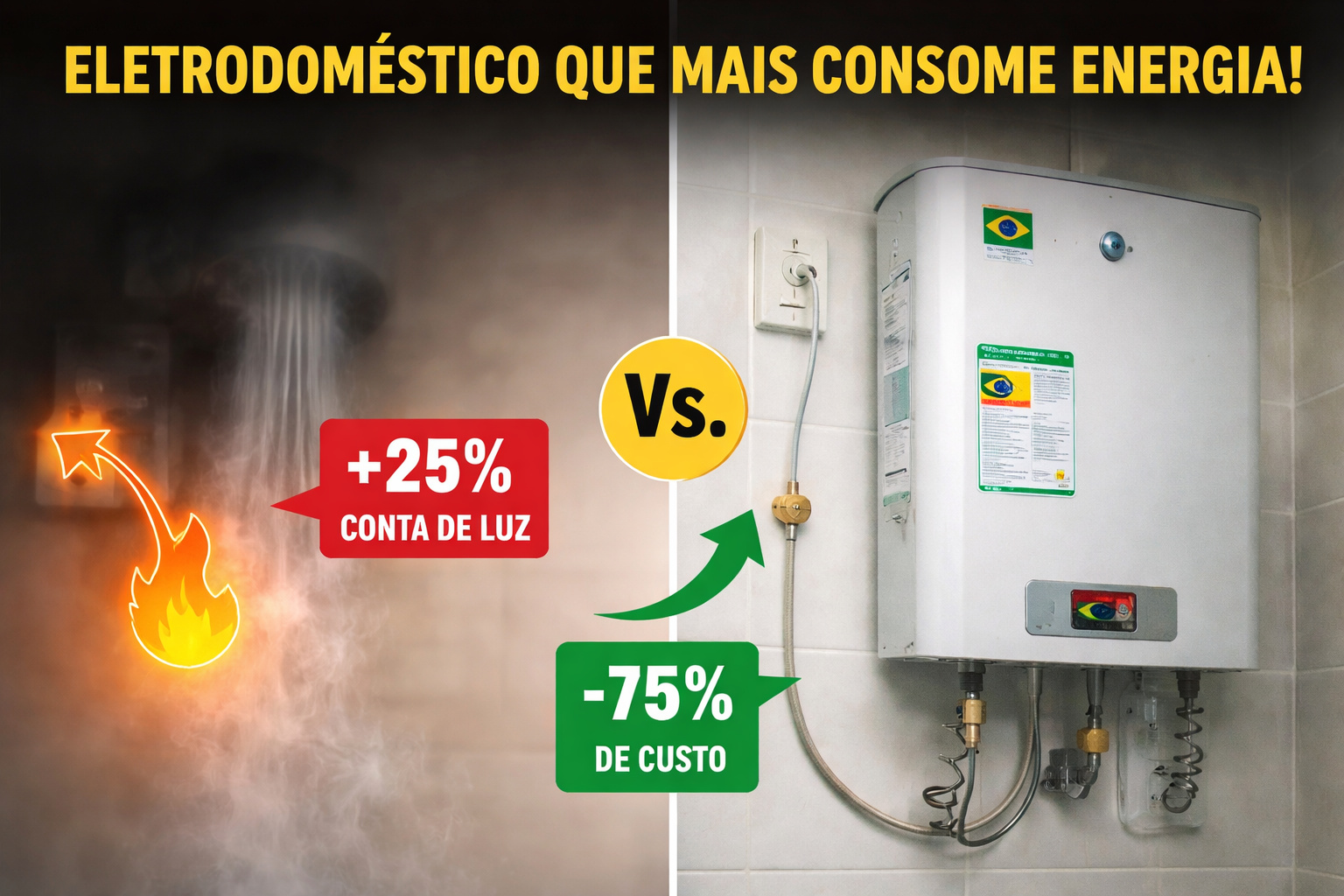
Electric shower weighs on residential consumption and pressures the network peak; heat pump emerges as an alternative with up to 75% less energy.
The electric shower remains among the largest energy consumption focuses in Brazilian homes. Research published by Unicamp indicates that official estimates for the equipment’s share in residential consumption ranged between 20% and 30%, while the study’s simulations reached about 23%. In the South and Southeast regions, this weight reached 40% of residential consumption during peak hours, between 6 pm and 7 pm.
The impact doesn’t stop at the household bill. According to the same research, the energy consumed by electric showers in the country over a year corresponds to practically 30% of the energy generated by Itaipu in the same period. In this scenario, the heat pump for water heating appears as a more efficient alternative: Energy Star reports that this type of system can deliver the same hot water using 75% less energy than a conventional electric heater.
Electric shower became popular in Brazil, but turned into one of the biggest villains of domestic consumption
The electric shower that spread through Brazilian homes was created by a Brazilian, Francisco Canho, and became popular from the 1930s, when urbanization accelerated and access to the electrical grid helped consolidate this model of instant water heating.
-
The country that will host COP31 has lost 186 of its 250 lakes in half a century, saw boats abandoned in dry areas, and now faces advancing desertification, the collapse of migratory birds, and communities leaving regions where water has disappeared.

-
Two Brazilian students created a hospital bed with voice control to help their sick grandmother and won an award in Portugal: the prototype allows patients to adjust height and inclination just by speaking, without cranks, and promises more autonomy for the elderly and people with reduced mobility.
-
Public school students from Sertão de Pernambuco create a $5 filter using sugar-apple peel, transform toxic cassava waste into drinking water, and win 1st place nationally in Samsung’s innovation contest.

-
8-year-old boy found small balls in the yard, thought they were seeds, and helped U.S. universities reveal a hidden natural strategy in oak galls, showing how small domestic observations can change scientific research on discrete natural processes.




USP itself highlights that the equipment became part of the national routine precisely because it combines technical simplicity, immediate response, and more accessible installation than other systems.


The problem is that this convenience comes at a high energy cost. According to Unicamp, a typical shower in the Southeast and South regions operates with about 4,000 watts of power. For comparison, the same source cites about 1,000 watts for a microwave oven and 300 watts for a refrigerator, which helps explain why a few minutes of showering already have a disproportionate weight on household consumption.
Bathing in the late afternoon contributes to peak hours and pressures the electrical system
The Unicamp study shows that the electric shower is burdensome not only because it consumes a lot, but because it is used almost simultaneously by millions of people.
Between 6 PM and 7 PM, when the system is already facing strong demand, the equipment accounted for up to 40% of residential electricity consumption in the South and Southeast. Across all households, the research states that half of the consumption during peak hours comes from the electric shower.
This data helps explain why the electric shower is treated as a structural problem in the country’s consumption matrix. Unicamp itself emphasizes that if efforts are made to reduce this burden, the gain for the system tends to be significant, as the pressure on transformers, distribution networks, and the load curve itself decreases precisely at the most critical time of the day.
Heat pump heats water with much less electricity than electric resistance
The heat pump operates differently from the resistance shower. According to Energy Star, it works like a kind of reverse refrigerator: instead of removing heat from inside a compartment, it captures heat from the surrounding air and transfers it to the water. Therefore, it can deliver hot water with significantly lower electricity consumption.
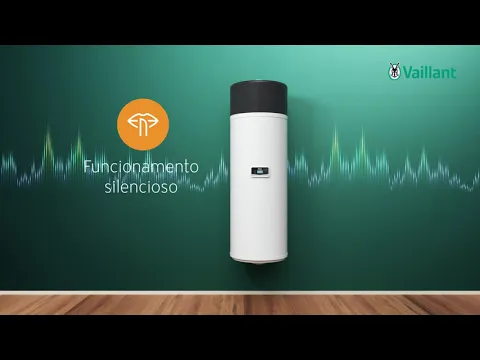
In the technical material from Energy Star, certified heat pump models for water heating use 75% less energy than conventional electric heaters and provide hot water with about one-third of the electricity and one-third of the operational cost of these systems.
The entity also states that for a family of four, the savings can reach about US$ 550 per year on the electricity bill, with a return on the investment difference in around three years in this reference market.
Replacing the shower with more efficient heating can ease the bill and reduce peak pressure
When the weight of the electric shower on the load curve is compared side by side with the efficiency of the heat pump, the potential effect becomes clearer.
If the equipment that most strains the shower during peak hours is replaced by a system that delivers the same function using much less electricity, the tendency is for a simultaneous reduction in individual spending and pressure on the grid during peak demand moments. This conclusion comes from the combination of data from Unicamp and Energy Star.
This does not mean that the change is automatic. The very history of the electric shower helps to understand its permanence: it spread in Brazil because it is simple, cheap, and immediate.
Even so, the advancement of more efficient alternatives places the debate on water heating on another level, because the topic is no longer just about domestic comfort and starts to involve energy efficiency, electricity bill cost, and relief of the electrical system.








Be the first to react!