Portuguese
  Spanish


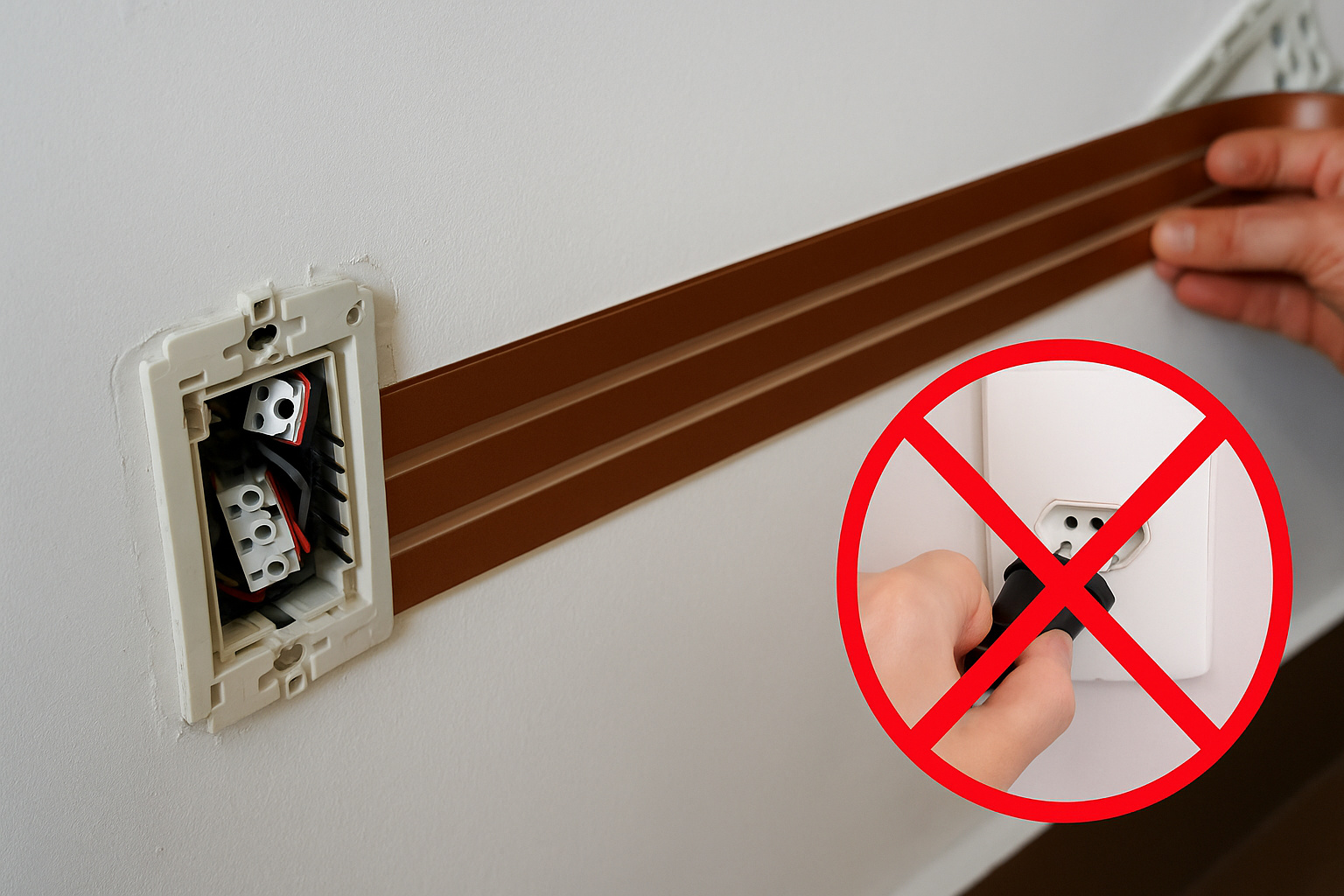


New in the Electrical and Decor Market, Surface Outlets Allow Installation of New Power Points Without Renovations, Providing Safety Against Overloads and Already Winning Homes, Offices, and Outdoor Areas.
Surface outlets are gaining ground as a practical solution for those who need new power points without dealing with renovations. Unlike conventional outlets, which require breaking the wall and installing wiring inside, this model is fixed directly onto the surface—be it wall, floor, or even furniture. Installation can be done with screws or adhesive, without mess or construction.
Why They Are Becoming a Trend
The increase in the number of devices that need to be charged—such as smartphones, laptops, smart appliances, and office equipment—has led to a growing demand for more power points. In this scenario, surface outlets present themselves as an alternative to:
- Avoid renovations and lengthy construction
- Add extra connections in areas without nearby outlets
- Support outdoor environments with models resistant to water and dust
The practicality combined with modern aesthetics is turning the product into a trend in the electrical and decoration market in Brazil.
-
Brazilian Researchers Develop Low-Cost Sensors to Detect Avian Flu in Minutes, Enhancing Global Health Security

-
545 Intact Amphorae Found 370 Meters Deep in Turkey Reveal Ancient Byzantine Trade Routes Connecting the Aegean and Black Sea

-
NASA to Send Astronauts Over 400 km Above Earth for 6.5-Hour Spacewalk to Repair Canadarm2 on the ISS

-
Microsoft Raises Xbox Prices Again Due to Rising Component Costs




Main Features
Surface outlets share the same electrical principle as conventional ones: they have metal terminals that receive the wires and ensure a secure fit for the plugs.
What changes is the installation method and the final appearance:
- Surface Outlets: external, visible, and apparent assembly
- Normal Outlets (or Standard): installed inside the wall, with built-in finishing
Thanks to the versatile design, it is possible to adapt the use in various scenarios, from modern homes to industrial environments.
Highlighted Advantages
The main advantages of surface outlets include:
- Quick installation: without construction, mess, or breaking walls;
- Flexibility of use: ideal for workshops, offices, outdoor areas, and industrial spaces;
- Safety: made with insulating materials and mechanisms to prevent overloads;
- Durability: versions with IP protection rating against water and dust for outdoor environments;
- More power points: ability to expand the electrical network without complex renovations.
With these differentiators, they serve both those seeking practicality at home and professionals who need quick solutions in workplaces.
Comparison: Surface Outlets vs. Conventional Outlets
Surface Outlets
- Installation: external, visible, without breaking walls
- Application: workshops, offices, outdoor areas, rustic locations
- Safety: versions with IP protection against water and dust
- Aesthetics: remain visible, but can be integrated into the decor
Conventional Outlets
- Installation: built into the wall, requiring construction
- Application: domestic and corporate use, standard in Brazil
- Safety: follows technical standards (NBR 14136), with 10A and 20A versions
- Aesthetics: more discreet, as they are flush with the wall
One of the most relevant points is safety.
In addition to mechanisms against overloads, surface outlets use insulating materials that reduce the risk of electric shocks.
Certified models offer guarantees similar to conventional outlets, allowing use in both residential and corporate/industrial environments.
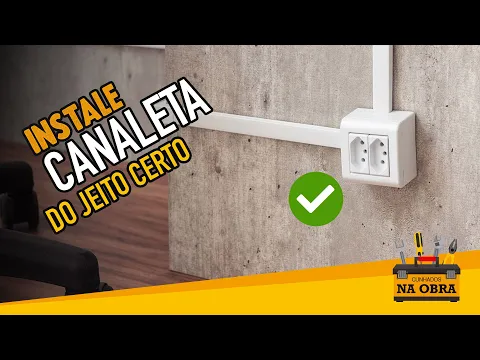
Practical Applications in Daily Life
- In Homes: allow creating extra power points in locations without outlets, such as balconies, kitchens, and backyards.
- In Offices: expand connections without construction, essential for rooms with many electronic devices.
- In Outdoor Areas: water-resistant versions are ideal for gardens, workshops, and leisure areas.
- In Temporary Works: provide agility for construction sites or fairs that require temporary points.
Combining practicality, safety, and design, surface outlets are consolidating as a trend in the market in Brazil.
They do not entirely replace built-in outlets but become complementary in situations where flexibility and speed are more important than discreet aesthetics.
In an increasingly connected and energy-dependent world, simple solutions like this can transform the routine of homes and offices, offering convenience without breaking walls.