Portuguese
  Spanish


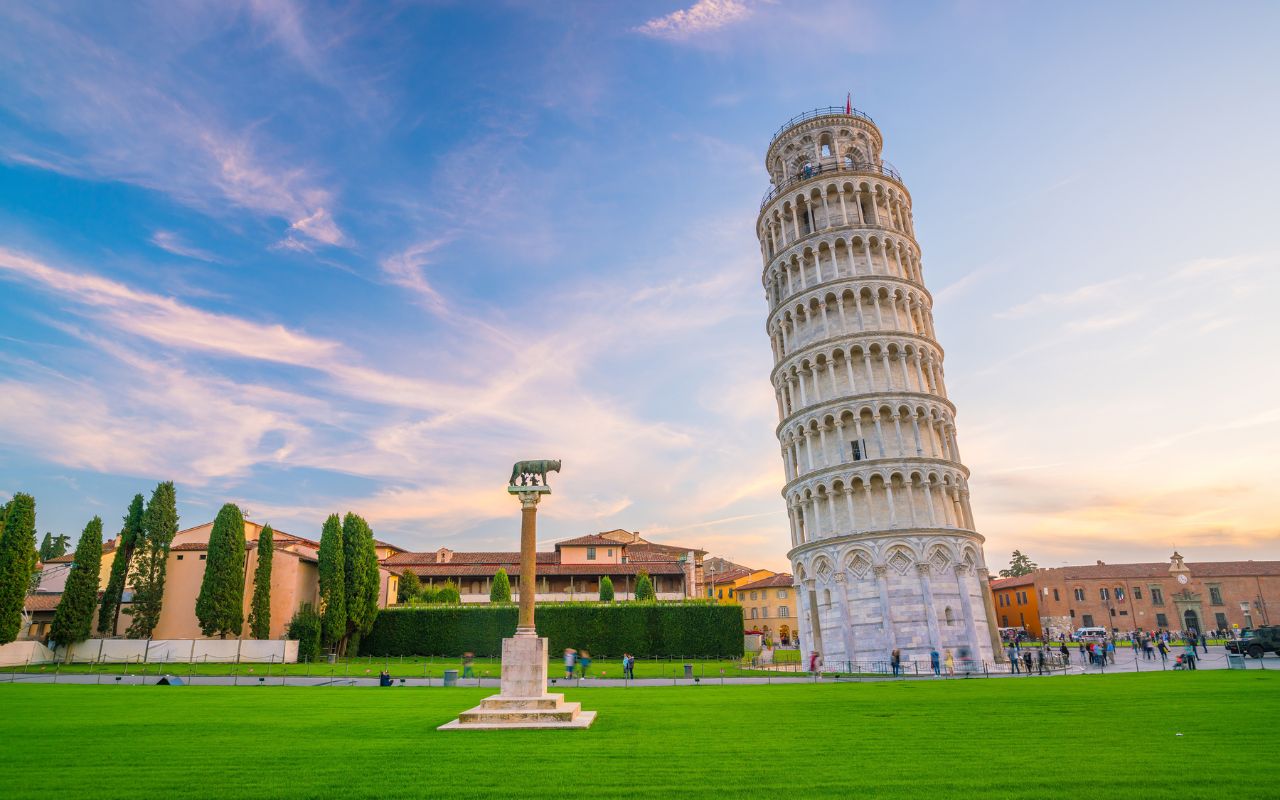


Understand Why the Leaning Tower of Pisa Leaned, the Engineering Errors, the Unstable Soil, and the Solutions That Prevented Its Collapse Over the Centuries.
The Leaning Tower of Pisa, one of the most famous monuments in the world, became a symbol of Italy not because of an ambitious plan, but because of a structural error that began as early as the 12th century.
Started in 1173, the construction suffered from tilting a few years after work began due to unstable soil, a lack of geotechnical studies, and limited technical decisions for the time.
The problem emerged early on, when the base began to settle unevenly, creating a phenomenon that continues to arouse curiosity and admiration today.
-
Unable to secure a mortgage as a self-employed single mother, she designed her own floating home from a 20-meter boat and now lives “off-grid” with her two children and solar panels on an English canal.

-
Man Transforms Rusty Shipping Container into Luxury Home with Insulated Walls, Large Windows, and Drywall Finish, Surprising Onlookers

-
“Super Grass” Miscanthus Grows Rapidly Without Pesticides, Replacing Heating Oil in Europe and Now Used in Carbon-Capturing Concrete and Walls in World’s First “Bale House”
-
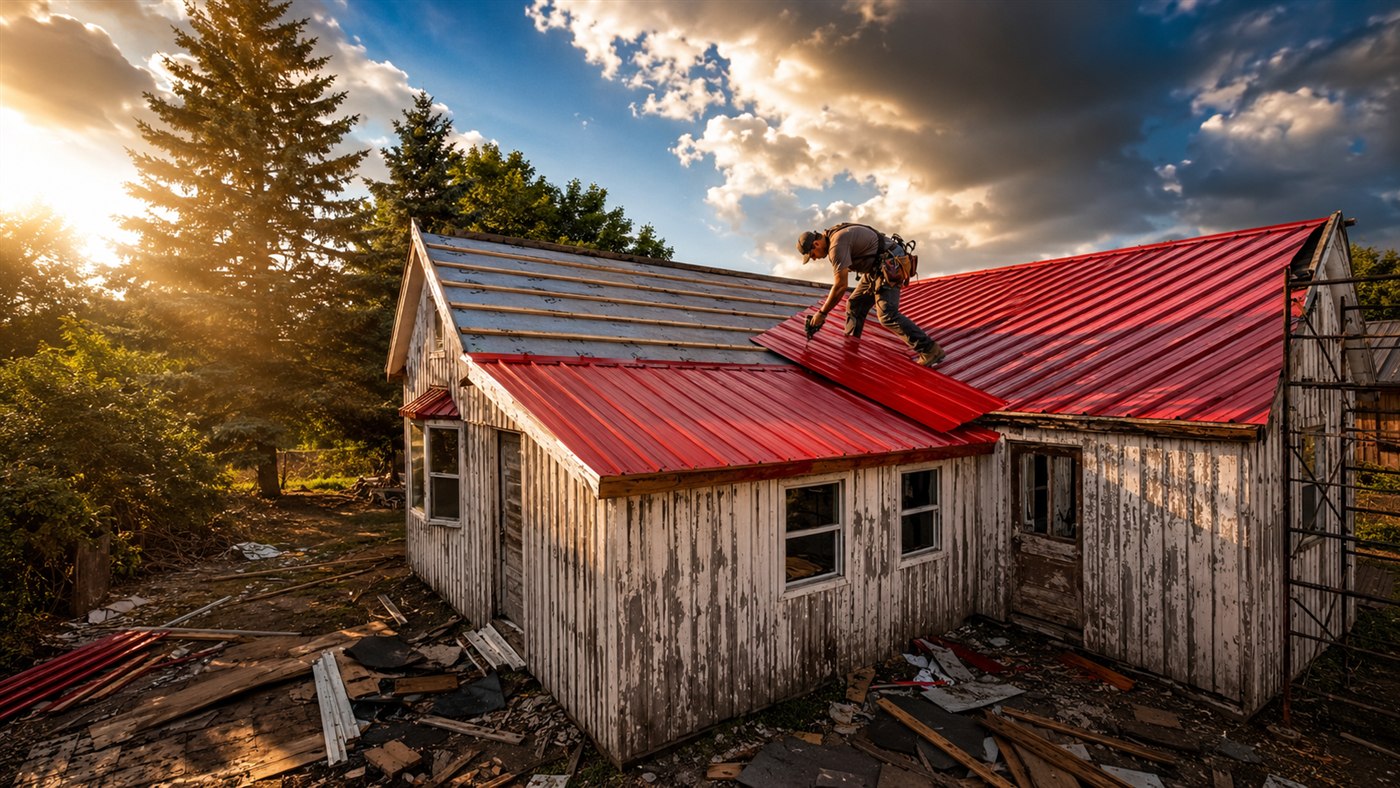
Abandoned House Renovation Fixes Decades-Long Leak in Two Days with Red Steel Roof Installation



Leaning Tower of Pisa and the Unstable Soil of the Region
The main cause of the tilt of the Leaning Tower of Pisa is directly related to the ground on which it was built.
The region has soil composed of sand, clay, and alluvial deposits, materials that are poorly compacted and unsuitable for supporting a heavy structure.
This type of soil does not distribute weight evenly, favoring localized subsidence.
As a result, one side of the tower began to sink faster than the other. This difference caused the progressive tilt, noticeable even during construction when only a few floors were completed.
Engineering Errors Aggravated the Problem
During the 12th century, knowledge about geotechnics—the field that studies soil behavior—was quite limited.
The original design of the Leaning Tower of Pisa did not foresee deep foundations, something common at the time but entirely inadequate for the type of local terrain.
Moreover, there was no prior analysis of the soil layers before the work commenced. This prevented builders from identifying the structural risk early, allowing the problem to evolve from the very first years.

Interruptions in the Works Influenced the Tilt
The construction of the Leaning Tower of Pisa was not continuous. Wars and regional conflicts interrupted the work for long periods.
Interestingly, these pauses had a dual effect: on one hand, they allowed the soil to settle under the weight of the structure; on the other, they made the tilt even harder to correct.
When work resumed, engineers attempted to compensate for the misalignment by building the upper floors with a slight opposing tilt.
However, this solution did not completely resolve the problem.
Leaning Tower of Pisa: Centuries of Attempts to Stabilize
Over the centuries, various interventions have been made to prevent the collapse of the Leaning Tower of Pisa.
Among the most significant are the installation of counterweights, the controlled removal of soil from the side opposite to the tilt, and structural reinforcement with steel cables.
By the end of the 20th century, modern techniques such as soil cement injection and continuous electronic monitoring significantly reduced the degree of tilt, ensuring greater safety for the monument.
World Heritage and Engineering Laboratory
The tilt has turned the Leaning Tower of Pisa into one of the most visited tourist spots in Italy. Millions of people visit the location every year, drawn by its unique appearance and the unusual history of its construction.
Since 1987, the tower has been recognized as a UNESCO World Heritage Site. In addition to its tourist value, it has become a true open-air laboratory for engineers and geologists interested in the conservation of historical structures.
Why Is the Leaning Tower of Pisa Still Studied?
Even after centuries, the Leaning Tower of Pisa continues to be the subject of research. Experts seek to understand how the structure remains stable despite the fragile soil and steep tilt.
The monument reinforces the importance of geotechnical knowledge in large works and serves as a global example of heritage preservation, showing that even errors can become eternal symbols of humanity.