Portuguese
  Spanish


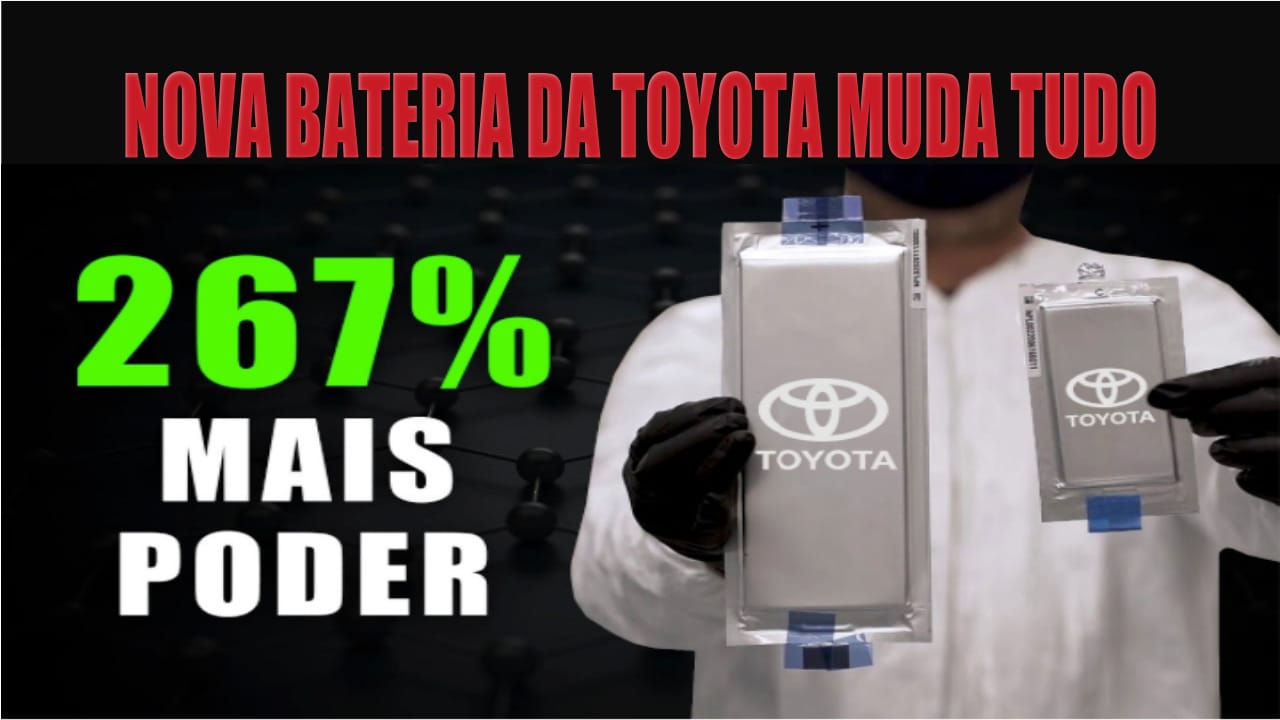

Toyota Shines with 8,274 Patents, Announces Powerful Battery for Electric Cars with a Range of 1,500 km and Surpasses Manufacturers Ford, Tesla, BYD, Chevrolet, and Fiat
The relentless pursuit of innovation by Toyota in energy storage for electric cars is reaching new heights, and the automotive industry is about to witness a revolution driven by battery innovation. The Japanese giant emerges as the unquestionable leader, with 8,274 solid-state battery patents, promising an impressive range of 1,500 km, surpassing LG Energy Solution, which holds 5,539 patents.
This is a crucial milestone on the path to a more efficient and sustainable world. With 20 years of expertise in research and development, the Japanese giant not only leads in the number of patents but also designs the future of electric mobility.
Toyota CEO “Our Solid-State Battery Will Change the Industry in 2024”!


Toyota’s Solid-State Batteries Promise a Range of 1,500 km and Charging in Less Than 10 Minutes!
The secret lies in Toyota’s solid-state batteries, using electrodes and electrolytes in this revolutionary state. The high energy density of these batteries promises not only a range of 1,500 km but also fast charging in less than 10 minutes. This technological leap not only redefines the performance of electric cars but also enhances safety, reducing the risks of fires associated with lithium-ion batteries.
-
Rolls-Royce Turns Heads with 30-Inch Floating Wheels, 6.6-Liter V12 Engine, and 563 Horsepower

-
2019 Kia Sportage EX: A Spacious and Cost-Effective SUV with 2.0 Flex Engine and Panoramic Roof
-
Fiat Strada Becomes Top Seller in June, Surpassing Onix, Polo, Hilux, and T-Cross with 107 HP Engine and 732 km Range.

-
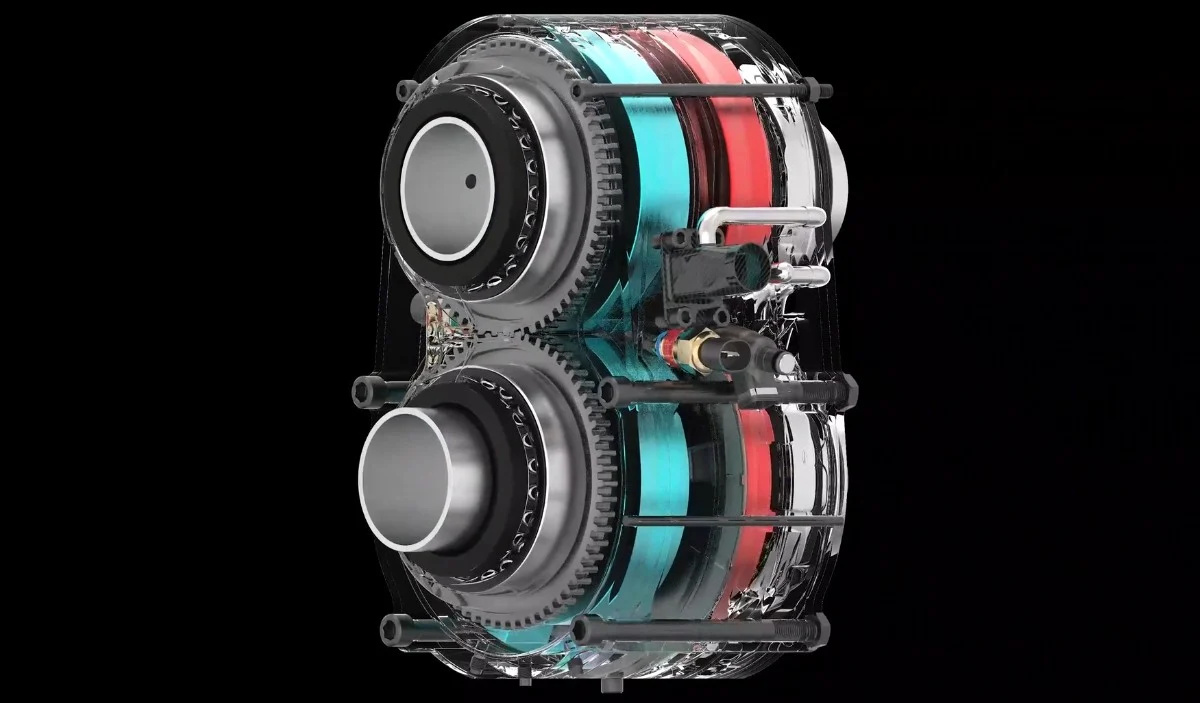
Suitcase-sized hydrogen engine spins at 25,000 rpm, nearly doubling the efficiency of conventional cars and replacing exhaust smoke with water vapor


Despite the promises, solid batteries face complex production challenges. The precision in assembly, the speed, and the pressure required demand advanced processes. However, Toyota has not been daunted and has already overcome the durability challenge, achieving durability comparable to lithium-ion batteries. Collaboration with partners such as Panasonic and even the petrochemical giant Idemitsu highlights Toyota’s determination to overcome these obstacles and make this technology accessible.
The Automaker’s Ambition Goes Beyond Mass Production of Solid Batteries
Toyota not only leads innovation but also sets an ambitious timeline for the commercial launch of this technology. The first models, expected by 2027 or 2028, will be lower production vehicles positioned in a higher price segment to absorb initial costs. Plug-in hybrids will be the pioneers, paving the way for mass production by 2030, when the scale could reach hundreds of thousands of units.
Toyota’s vision is not limited to just solid batteries. The company is investing in various technologies, reserving lithium-ion batteries for high-performance versions and lithium iron phosphate (LFP) for more affordable vehicles. This diversified strategy positions Toyota as a leader not only in one but in multiple fronts of the electric revolution, consolidating its role as a pioneer and innovator.
It is clear that Toyota not only leads in numbers and patents but also actively shapes the industry’s landscape. The commitment to innovation, strategic partnerships, and a long-term vision highlight Toyota as the driving force behind the revolution of electric cars and paving the future of mobility.