Portuguese
  Spanish


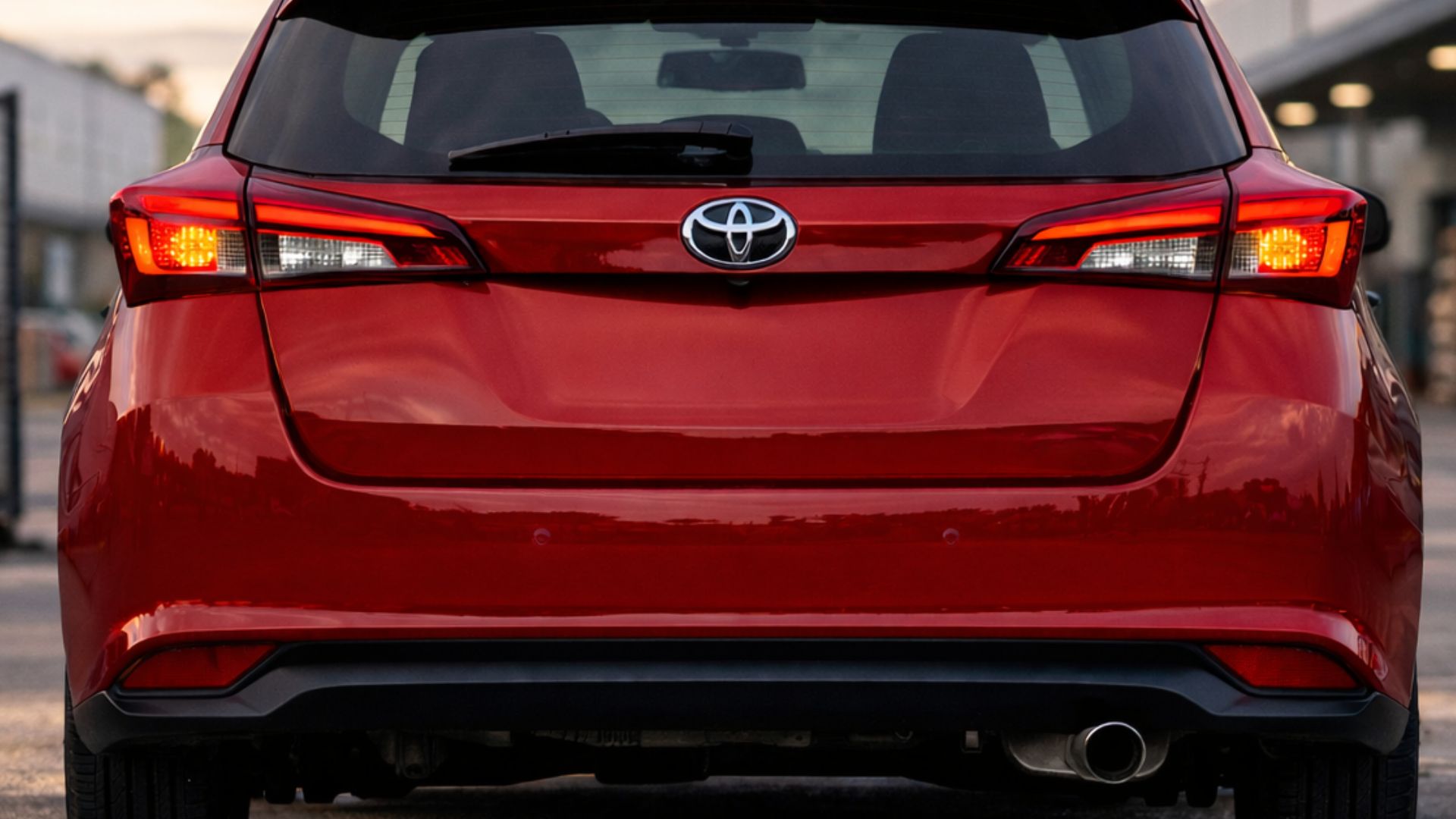


End of the Yaris Hatch in Brazil Signals Toyota Reorganization, With Production Ended for the Internal Market, Continuity of Manufacturing for Export in South America and Direct Impact of the Strategy Focused on SUVs and New Releases in the Country.
The Toyota Yaris Hatch ceased to be sold as a brand new vehicle in Brazil throughout 2025, after the end of production aimed at the internal market on December 31, 2024.
Since then, the model has been removed from the national portfolio of the brand and can now only be found through remaining stocks or in the used market.
Even though it is no longer available in Brazilian dealerships, Yaris Hatch did not have its production completely halted.
-
End of an era in Brazil: beloved sedan by Brazilians is discontinued despite having a 2.0 engine with 151 hp, CVT transmission, 466-liter trunk, and up to 650 km of range.

-
New Law Proposal in Brazil Could Heavily Penalize Drivers: Dangerous Overtaking May Become a Serious Offense with Fines Increased Tenfold and a 12-Month License Suspension; Update on 2026 Progress

-
Electric Revolution: Watts W125 Motorcycle Offers 160 km Range, 90 km/h Speed, and Affordable Price Starting at $3,000
-
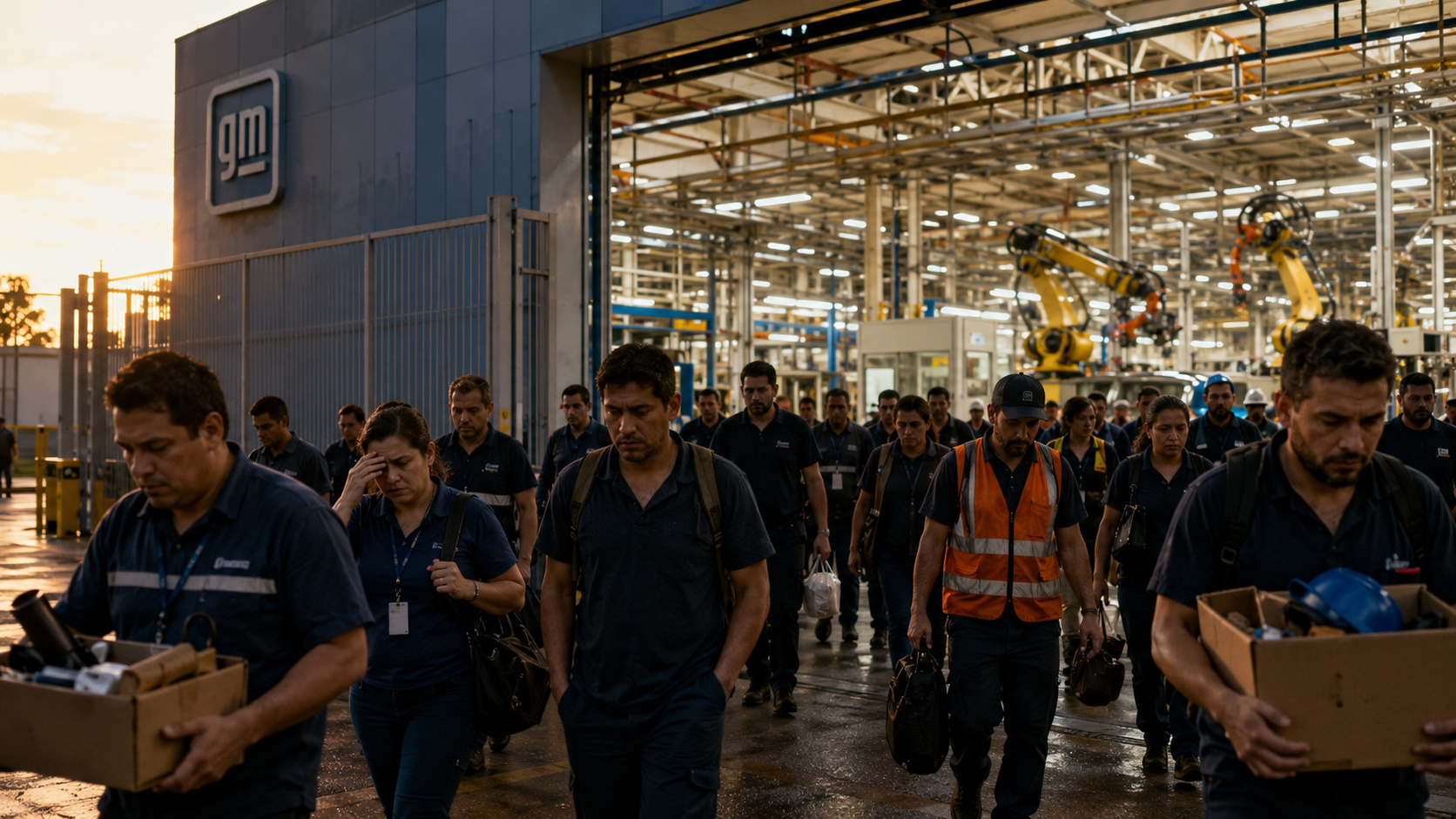
General Motors Replaces Over a Thousand Workers with 50 Cobots at Electric Vehicle Plant, UAW Union Criticizes Move Amid Industry’s Automation Push



The plant in Sorocaba, in the interior of São Paulo, continued to produce the model throughout 2025, directing the units exclusively for export to South American countries, according to information released by the automaker and specialized automotive media outlets.
History of the Toyota Yaris Hatch in the Brazilian Market
Introduced in Brazil as an intermediate option among compact hatches, the Yaris Hatch occupied a segment above the entry-level models in the category.
Throughout its trajectory, it was offered with a focus on automatic transmission, safety and comfort package and aimed at urban and family use.
Over the years, however, changes in consumer profiles began to influence the strategy of automakers in the country.
Industry data indicates that demand for sports utility vehicles has grown consistently, while traditional hatches have lost market share.

In this scenario, the continuation of the Yaris Hatch in the Brazilian portfolio was reevaluated.
Ending of National Production and Exit from Dealerships
The end of production aimed at the internal market occurred without specific farewell announcements.
In 2025, the units available in dealerships were being gradually depleted, until the model was no longer listed on Toyota’s official sales channels.
At the same time, the assembly line in Sorocaba remained active.
The difference was in the destination of the produced vehicles, which began to serve exclusively external markets.
According to the company, this decision allowed the maintenance of industrial capacity while adjusting supply to the demand of each region.
Production in Sorocaba and Export to South America
In neighboring countries, the Yaris Hatch continues to be offered as a compact hatch with a naturally aspirated engine and automatic transmission.
Specialized publications point out that in these markets, the model remains competitive within its category, which justified the continuation of production for export.

This strategy helps to explain why the vehicle stopped being sold in Brazil, but continued to be manufactured in the same industrial complex.
For the automaker, it is a redistribution of markets, not a global discontinuation of the product.
1.5 Flex Engine, CVT Transmission and Technical Characteristics
In the Brazilian market, the Yaris Hatch was sold with a 1.5 flex engine and CVT automatic transmission.
The technical specifications indicate a maximum power of 110 hp with ethanol and 105 hp with gasoline, as well as torque of up to 14.9 kgfm.
This mechanical set prioritized smooth operation and consumption compatible with the segment, features often highlighted in technical evaluations.
Over time, the model also incorporated safety and comfort features that positioned it above the more basic compact hatches available in the country.
Yaris Cross and Toyota’s Plans for Brazil
With the exit of the hatch, the name Yaris remained associated with Toyota’s plans for Brazil through the Yaris Cross, a compact sports utility vehicle.
The project has been mentioned by the automaker and by industry reports as part of the strategy to expand the SUV offering in the national market.
However, the launch schedule has undergone adjustments throughout 2025.

According to information released at the time, climatic events that affected industrial facilities in the state of São Paulo impacted the production of components and led to the rescheduling of project stages.
Reorganization of Toyota’s Portfolio in the Country
The removal of the Yaris Hatch from Brazilian dealerships is part of a broad movement to reorganize Toyota’s portfolio in the country.
The brand began to focus its efforts on higher value-added models and in segments with consistent growth, such as sports utility vehicles.
Meanwhile, the Brazilian consumer no longer has access to the manufacturer’s compact hatch, while awaiting the arrival of new products to fill this market segment.
The transition, which occurred in stages, reflects industrial and commercial adjustments adopted over the period.
With the Yaris Hatch out of the national catalog and the arrival of the Yaris Cross still subject to scheduling definitions, the change reinforces how industrial and market decisions directly impact the availability of models in Brazil.