Portuguese
  Spanish


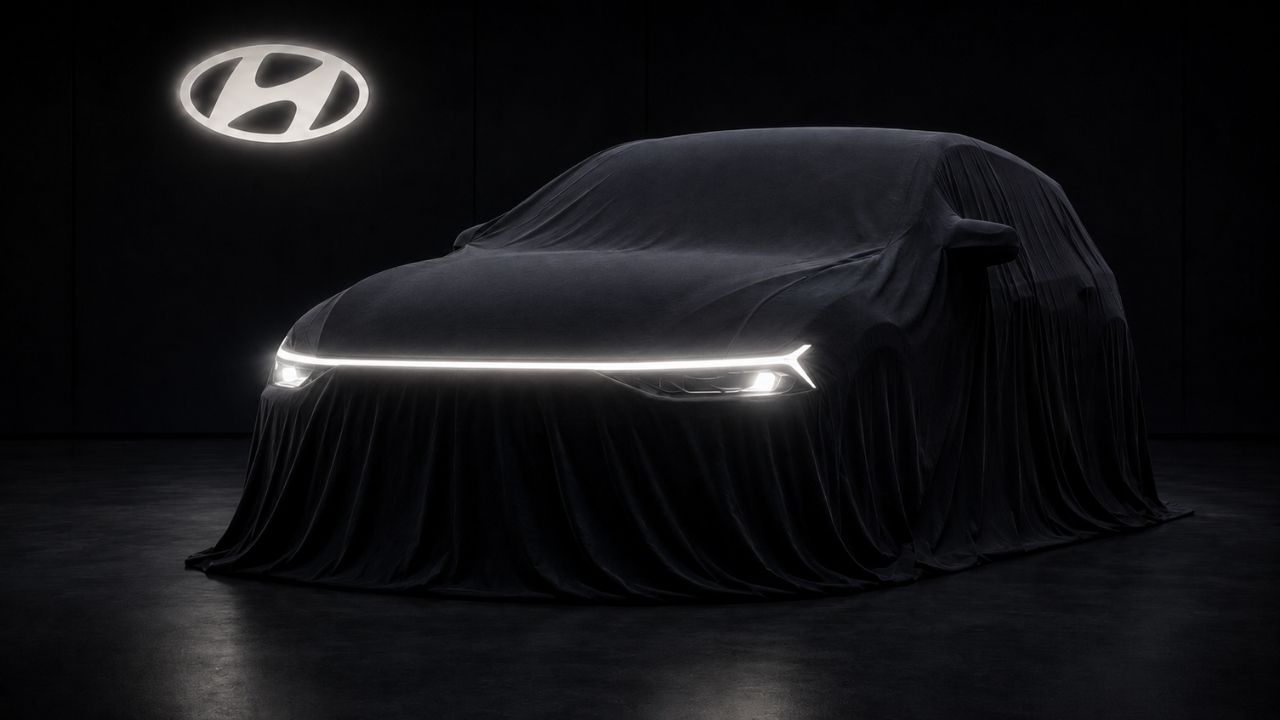

New Hyundai i20 emerges between HB20 and Creta to face Volkswagen Tera with a 1.0 turbo engine of 115 hp, six-speed automatic transmission, 346-liter trunk, two 12.3-inch screens, and an estimated price between R$ 99,000 and R$ 130,000.
The Hyundai i20 was introduced in Brazil as a new bet by the brand to occupy a space between HB20 and Creta, targeting consumers looking at Volkswagen Tera, complete compacts, and entry-level SUVs. The model comes with a 1.0 turbo engine of 115 hp, six-speed automatic transmission, and a 346-liter trunk.
The novelty was detailed in a first contact by the channel A Roda, published on 06/12/2026, with dynamic evaluation on track and analysis of measurements, equipment, and positioning. The car arrives at a time when Chevrolet Sonic, Fiat Pulse, Fastback, Chinese compacts, and Volkswagen Tera itself compete for attention in the more equipped entry-level market segment.
Hyundai i20 tries to occupy a space between hatch, crossover, and entry-level SUV
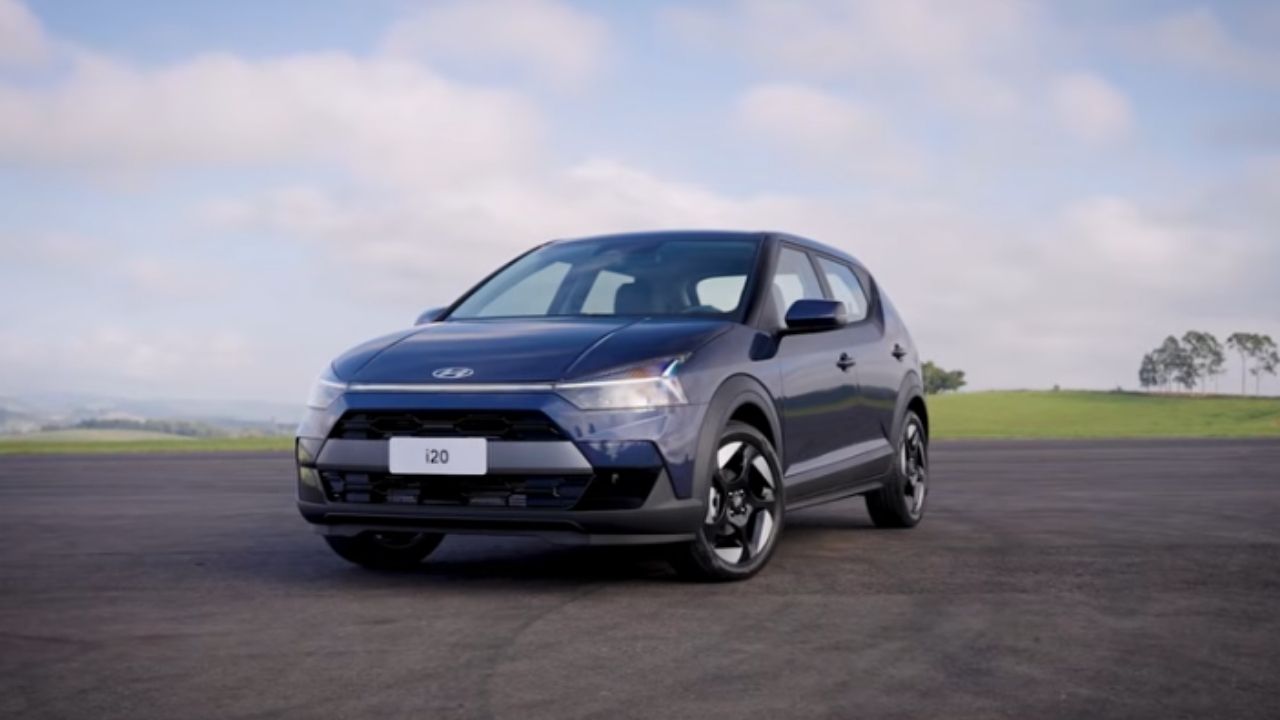
The Hyundai i20 does not arrive in Brazil with the simple mission of replacing the HB20. With the proposed concept, it tries to occupy an intermediate range, above the traditional hatch and below the Creta, creating an alternative for those seeking more space, more technology, and a more striking appearance.
-
Toyota Shifts from Hybrid Cars to Electric Air Taxis with Joby’s 6-Rotor Aircraft, Capable of 322 km/h, Aiming for Mass Production to Electrify Urban Skies

-
Ferrari Unveils Limited Edition 12Cilindri Manuale: 6.5-Liter V12, 830 HP, 0-100 km/h in 2.9 Seconds, Top Speed Over 340 km/h, Only 1,499 Units Available

-
Discover the 2021 Fiat Cronos 1.3: Affordable Maintenance, Reliable Mechanics, and Fuel Efficiency of Up to 15.6 km/l
-
Cummins Unveils Hydrogen-Powered X15H Engine with Over 800 km Range and 15-Minute Refueling, Challenging Electric Truck Dominance


This strategy places the model directly in the territory of compacts with an adventurous appearance. Although not treated as a pure SUV, the i20 bets on larger dimensions, elevated ground clearance for the category, and a more robust design to attract consumers who might consider the Volkswagen Tera and other urban rivals.
Estimated price places Volkswagen Tera at the center of the dispute
The range mentioned in the evaluation is between R$ 99,000 and R$ 130,000, depending on the version. The data appears as an estimate of positioning, not as a definitive table set by the brand in the analyzed material. Even so, this range already shows where Hyundai intends to compete.
If this value is confirmed, the Hyundai i20 can pressure the Volkswagen Tera mainly in the more expensive versions. The comparison gains strength because both models try to sell a similar sensation: compact car, robust appearance, superior segment equipment, and price below medium SUVs.
1.0 turbo engine delivers 115 hp and six-speed automatic transmission
In the most equipped configuration, the Hyundai i20 uses a 1.0 turbo flex engine with 115 hp, with torque of 17.5 kgfm between 1,500 and 3,500 rpm. The set appears connected to an automatic transmission with torque converter and six speeds, a solution already known in other Hyundai models.
According to the numbers cited in the evaluation, the car goes from 0 to 100 km/h in 11.7 seconds and reaches a top speed of 184 km/h. The consumption reported by Inmetro is 8.8 km/l with ethanol and 12.6 km/l with gasoline in the city, as well as 10.1 km/l with ethanol and 14.3 km/l with gasoline on the highway.
346-liter trunk targets family use without becoming an SUV
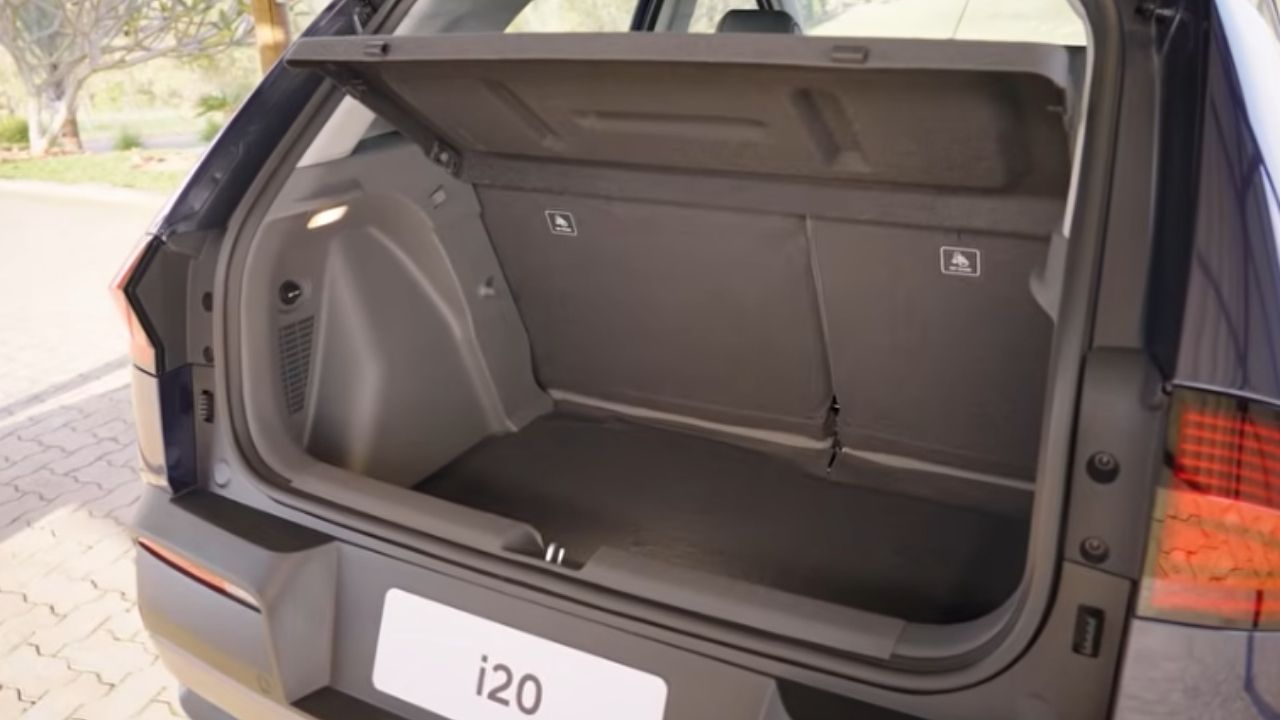
One of the points used to bring the Hyundai i20 closer to larger models is the 346-liter trunk. The volume is very close to the Volkswagen Tera, cited in the evaluation with 350 liters, which reinforces the direct competition between the two products.
For those looking at the car as a family option, this number matters. It is not a medium SUV trunk, but it offers competitive space for shopping, backpacks, small suitcases, and daily use. The presence of a spare tire was also highlighted in the video, in contrast to some electrified models that have already given up this item.
Two 12.3-inch screens enhance the feeling of a more expensive car
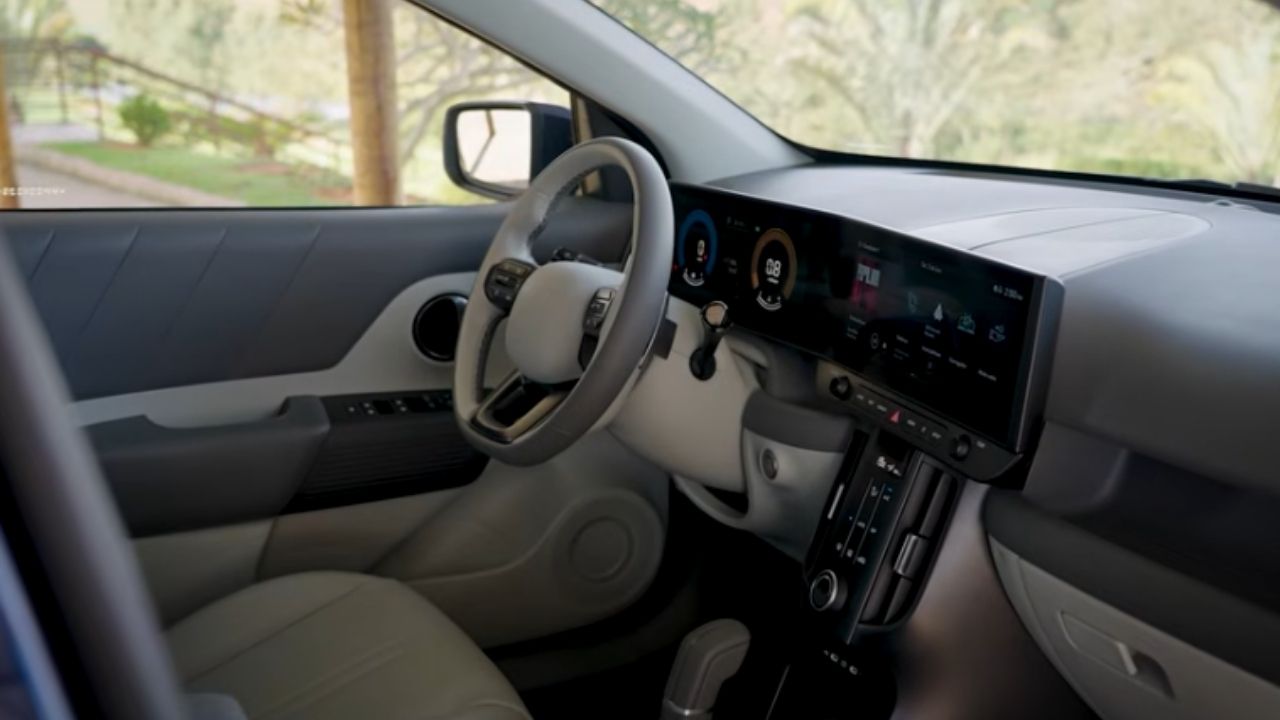
The interior stands out as one of the main arguments of the Hyundai i20. The cabin features two 12.3-inch screens, one for the instrument panel and another for the multimedia center, creating a more modern visual presentation than seen in many entry-level compacts.
The list also includes physical buttons for the air conditioning, wireless phone charger, electronic parking brake with auto hold in the top version, and a good variety of driving assists. The effect is clear: making the driver feel like they have entered a higher category car.
Safety equipment varies according to the version
The Ultimate version, shown in the evaluation, contains the most complete package of assists. Among the mentioned items are lane centering, blind spot alert, rear cross traffic, safe exit alert, and adaptive speed control.
Lower versions are expected to have significant package differences, including wheels, brakes, and convenience equipment. Therefore, the Hyundai i20 can have two interpretations in the market: a more rational one in the entry versions and a more technological one in the top-of-the-line configuration.
Interior space surprises for the compact proposal
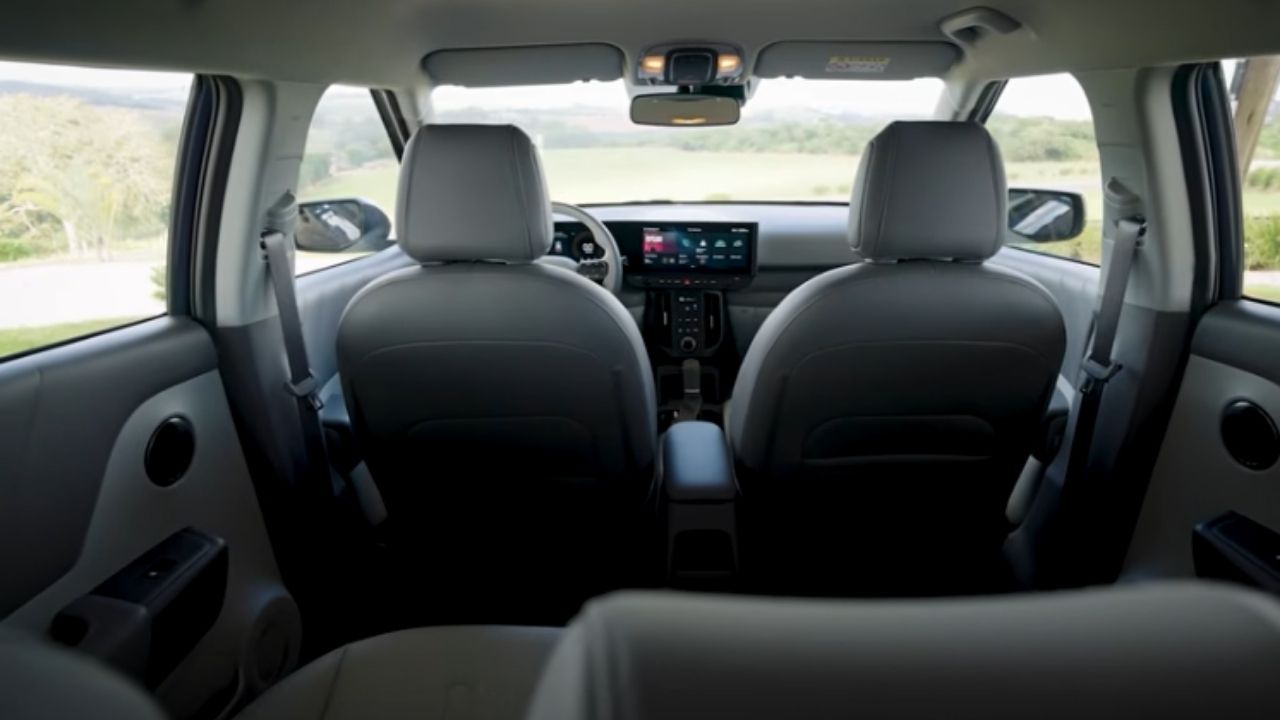
The model has a 2.58-meter wheelbase, a number highlighted in the evaluation as superior to that of the Volkswagen Tera. In practice, this helps explain the good impression of interior space, especially in the rear seat, where the evaluator reports better accommodation than expected for a compact.
The Hyundai i20 also measures 4.13 meters in length and is 1.78 meters wide. These numbers place it close to models that use the crossover look to attract those who want an urban car but do not want to give up visual presence and some sense of robustness.
Design is likely to divide opinions, but it will hardly go unnoticed
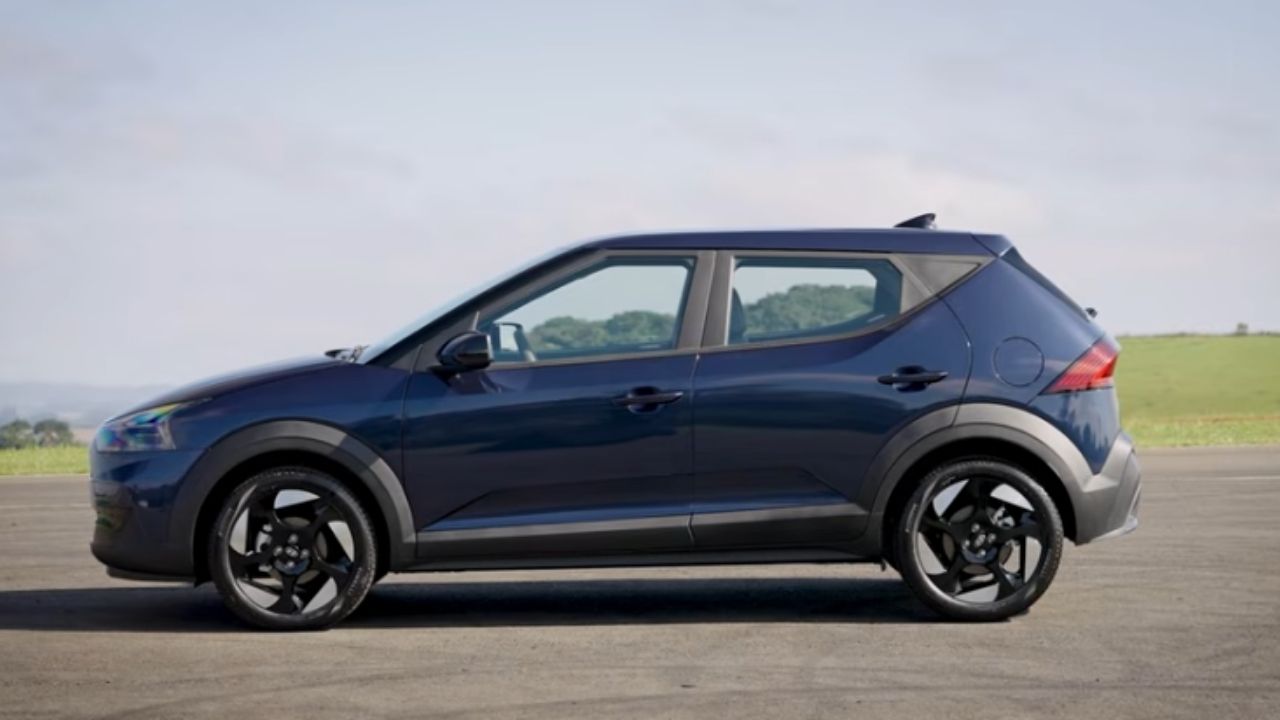
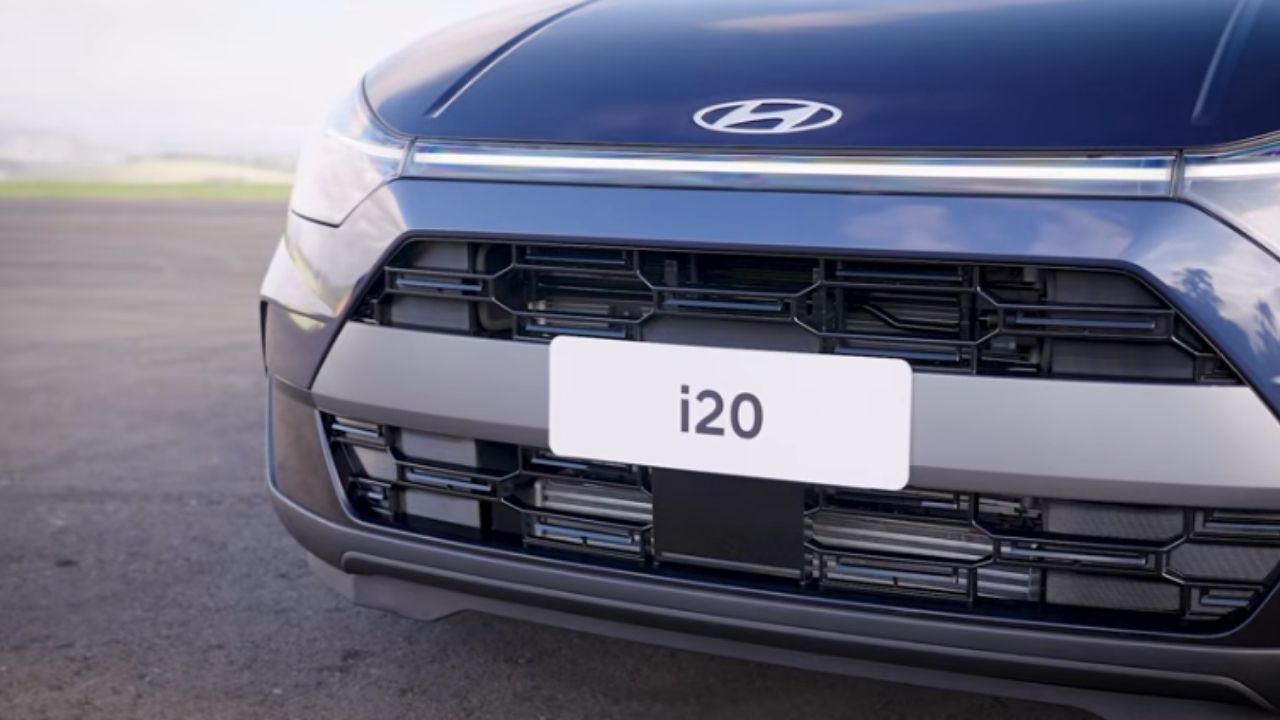
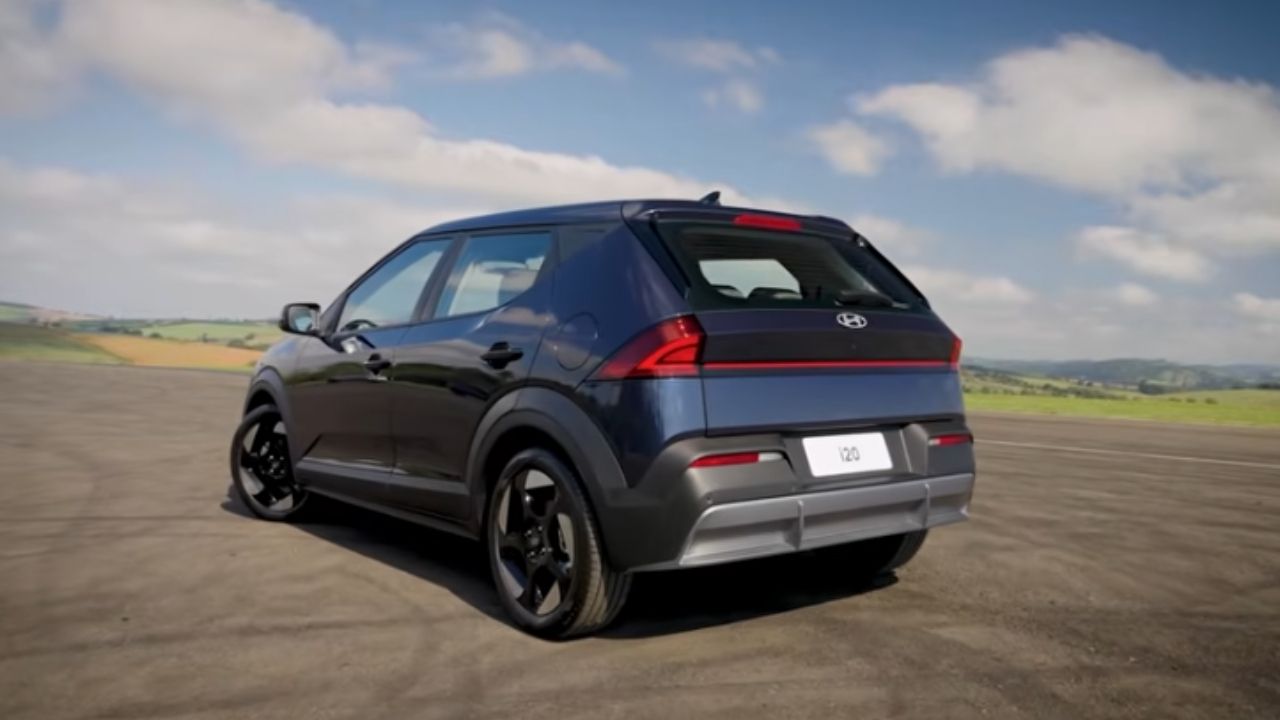
The front of the Hyundai i20 features a lighting signature inspired by the letter H, LED headlights, and a glossy black grille. On the side, more pronounced lines and the third window partially covered by plastic reinforce the proposal of a different look.
The rear is also likely to generate debate. The design of the taillights, the more detailed trunk lid, and the side spoiler create an unusual appearance among compacts sold in Brazil. It’s the kind of design that may bother some of the public, but it helps the car not to look like just another hatchback.
Track behavior was one of the most praised points


During the first contact, the dynamic behavior was pointed out as one of the biggest surprises. The car was tested on a track, with curves, changes in terrain, and situations that demand more from the suspension and stability control.
The evaluator highlighted balance, precise steering, good stability, and less vibration compared to the HB20. Even so, the analysis makes it clear that a track does not replace everyday use on bumpy streets, garages, heavy traffic, and poor surfaces, scenarios that still need a more complete evaluation.
The big challenge will be convincing those already looking at SUVs
The Hyundai i20 enters a challenging market zone. Many Brazilian consumers still associate perceived value with SUVs, even when the model is derived from a compact base. Therefore, Hyundai needs to convince the public that technology, space, and finish can compensate for the absence of a traditional SUV body.
At the same time, this uncertainty can become an advantage. The car doesn’t need to be exactly an SUV to compete with entry-level SUVs. If the estimated price range is confirmed, it can attract those who want a more equipped vehicle than a common hatch but do not want to pay the price of a Creta.
The question is whether the Brazilian consumer will see value in a sophisticated compact or if they will continue to prefer models with a clearer SUV appearance. Would you buy a car like the Hyundai i20 in this price range or would you still choose a used Tera, Pulse, Fastback, or Creta? Leave your opinion in the comments.