






 Portuguese
  Spanish



Toyota Will Not Invest in Diesel Hybrid Engines. Japanese Automaker Reinforces Focus on Gasoline Alternatives for Global Markets Such as USA and China
Toyota will not invest in diesel hybrid engines, reaffirming its preference for gasoline-based technologies for more advanced hybrid systems. Known for exploring alternatives to electric cars, Toyota makes it clear that betting on diesel hybrids is not part of the company’s long-term plans, even for its iconic models such as the Land Cruiser.
Keita Moritsu, chief engineer of the new Land Cruiser Prado 250 Series, explains that the decision aligns with the challenges of global emissions and energy efficiency regulations. “Around the world, diesel is, of course, a very important engine for the Land Cruiser. But, with global regulations, the gasoline engine or gasoline is the best technology,” said Moritsu. For him, gasoline engines offer an ideal balance when combined with electrification.
Toyota Australia Engineer Says Technical Challenges and Costs Do Not Justify Investment
The reason is practical: hybrid systems use electric motors to provide additional torque at low RPMs, something that diesel engines already do naturally. Thus, the benefit of electrification ends up being smaller. Even though there are efforts to adapt diesel hybrids to medium RPM ranges, as suggested by Toyota Australia engineer Russel Tomlinson, the technical challenges and costs do not justify the investment, according to the company.
-
Toyota Launches First 100% Electric Car in Brazil: bZ4X with 343 HP, All-Wheel Drive, 361 km Range, Priced at $419,990 BRL, Limited to 99 Units

-
Chinese SUV Achieves 24.4 km/l, Outperforms Toyota Yaris Cross in Real-World Tests with 224 hp Hybrid System, Offers 51-Liter Tank for Greater Range, and Costs Up to R$ 5,000 Less.

-
Uber Black Revamps Fleet, Drops Ten Car Models and Sets Deadline for Electric BYD Dolphin
-
Chinese Giant Uses Metal Structures and Cranes to Deliver Over 700 Electric Cars to Brazil


Even the mild hybrid versions, such as the 48-volt system of the 2.8 diesel engine, are treated with distance by Toyota, which prefers to call them “V-Active,” marking the difference from gasoline hybrids, which are considered more complete and powerful.
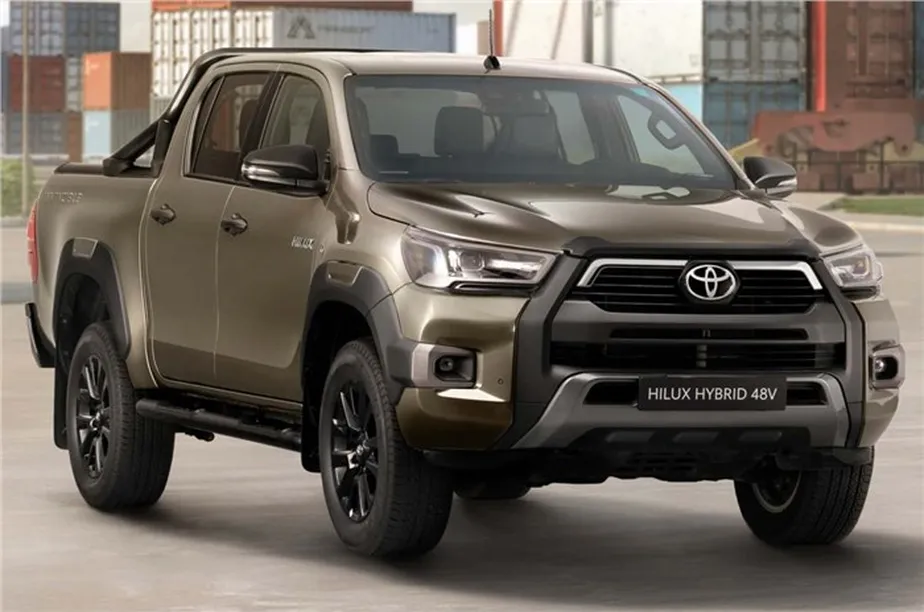
Priority of the Japanese Automaker Is Focused on Gasoline Engine Vehicles
The priority of the Japanese automaker is focused on the American and Chinese markets, where the demand for vehicles with gasoline engines and hybrid systems is growing rapidly. “Especially for the American and Chinese markets, our priority is the [development of the gasoline engine] at the moment. And that is why we have applied the hybrid system to the gasoline engine,” Moritsu added.
With this strategy, Toyota reinforces its stance of aligning innovation with market feasibility, aiming for sustainable development without sacrificing efficiency and performance.





-

-

-

-

9 people reacted to this.