






 Portuguese
  Spanish
  5 min of reading
  0 comments


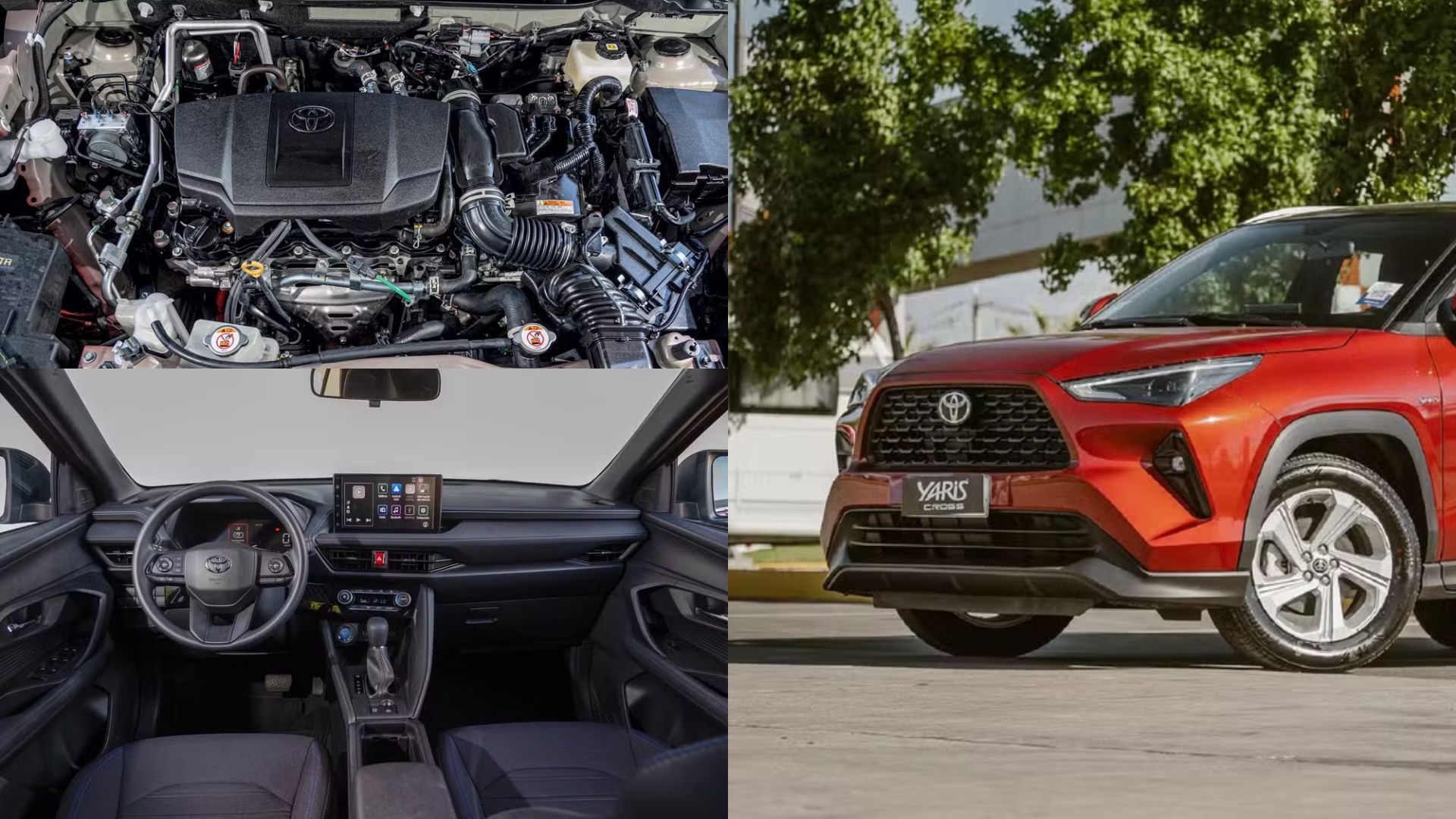
Compact Hybrid SUV Promises to Be the Most Fuel-Efficient in Brazil, with Local Production, Japanese Technology, and a Focus on Energy Efficiency. The Model Competes with T-Cross and Creta and Has Its Launch Delayed After a Halt at the Toyota Factory.
Toyota Yaris Cross 2025 Achieves Up to 17.9 km/l, Features a Hybrid Engine, 7-Speed Transmission, and Versions Priced Between R$ 130,000 and R$ 180,000 to Compete with Rivals like T-Cross and Creta
The Toyota Yaris Cross produced in Sorocaba (SP) arrives with the promise of leading efficiency among compact SUVs in Brazil.
According to a report published by Autoesporte this Wednesday (8), the fuel consumption data obtained from the Brazilian Vehicle Labeling Program (PBEV) of Inmetro indicate that the hybrid versions achieve up to 17.9 km/l in the city and 15.3 km/l on the highway with gasoline — numbers that put it ahead of rivals in fuel economy.
-
Two new 300cc models from QJ Motor are expected to arrive in Brazil as SBM to target the CB 300F and shake up the low-displacement market, with more power and liquid cooling than Honda.

-
Camaro may reappear in 2027, but not as you remember: Chevrolet prepares the return of the icon with four doors, manual transmission, and an extreme performance version to face the new era of sports cars.

-
Is the BYD Song Pro worth it? The Anderson Sincero channel says it doesn’t exceed R$ 140,000, and the price dropped by R$ 47,000, reinforcing the depreciation of the plug-in hybrid in the Fipe table.
-
Caoa Changan CS75 arrives for R$ 199,990 with 4.77 m in length, a trunk of up to 1,620 liters, 8-speed Aisin transmission, 180 hp, 37.2 inches in screens, and Zero Gravity seat with massage.


With ethanol, the SUV reaches 15.3 km/l (urban) and 10.8 km/l (highway).
Versions and Mechanical Set
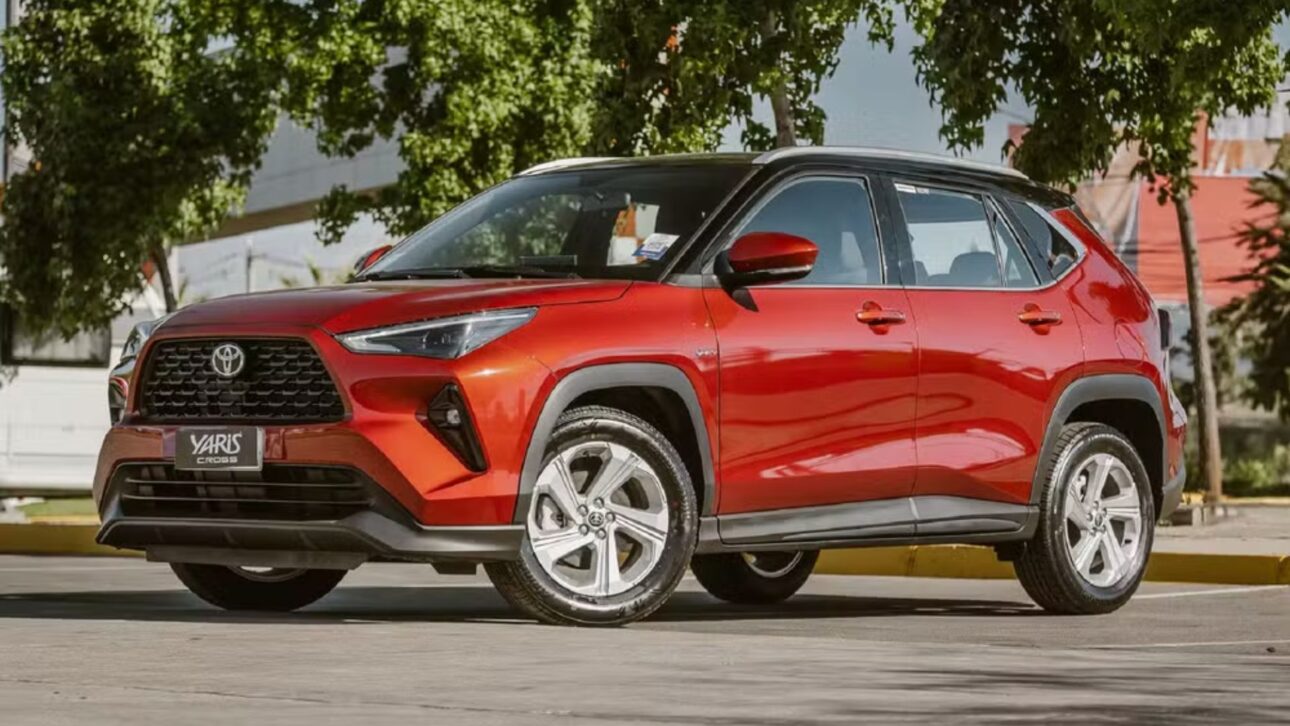
The lineup will consist of five versions: XR, XRE, and XRX (all flex), and the hybrid versions XRE HEV and XRX HEV.
In the combustion options, the Yaris Cross uses the 1.5 flex engine with up to 110 hp and 14.9 kgfm, paired with the CVT transmission with a simulated seven speeds.
According to information from Autoesporte, the system received thermal efficiency improvements and start-stop, which tends to optimize fuel consumption in the Brazilian market.
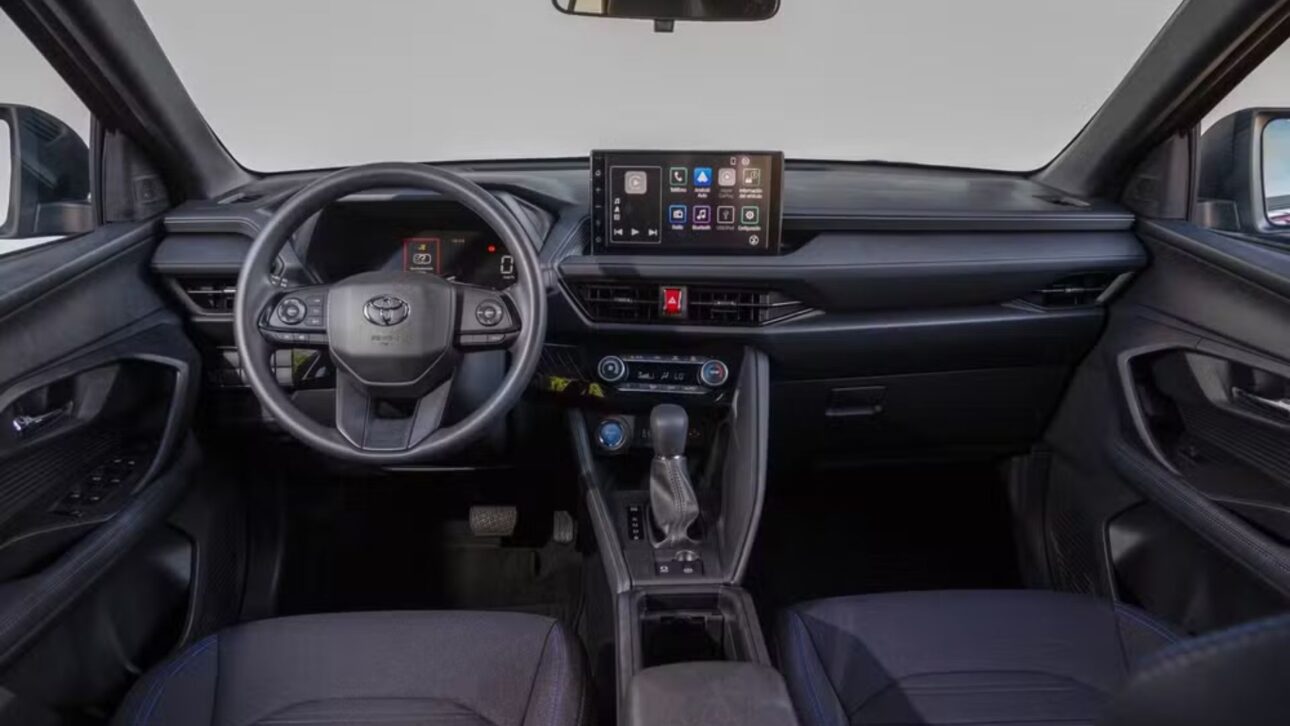
In the hybrid variants, the same 1.5 engine operates in Atkinson cycle, coupled with an electric motor of about 80/81 hp and 14.4 kgfm, for a combined power of 111/113 hp, based on data from South American markets where the model is already sold.
The Brazilian setup is expected to follow a similar configuration, without significant changes.
Consumption Measured by PBEV and Autonomy
According to the specialized newspaper, the XRE HEV and XRX HEV versions achieve 17.9 km/l in the city and 15.3 km/l on the highway with gasoline, placing them among the most economical in the country.
With a 36-liter tank, the total autonomy can reach 644 km under ideal conditions.
Meanwhile, the flex versions (XR, XRE, and XRX) record 12.6 km/l (city) and 14.3 km/l (highway) with gasoline.
With ethanol, they achieve 8.8 km/l (urban) and 10.2 km/l (highway).
In these, the 42-liter tank provides about 600 km of range.
Equipment and Safety
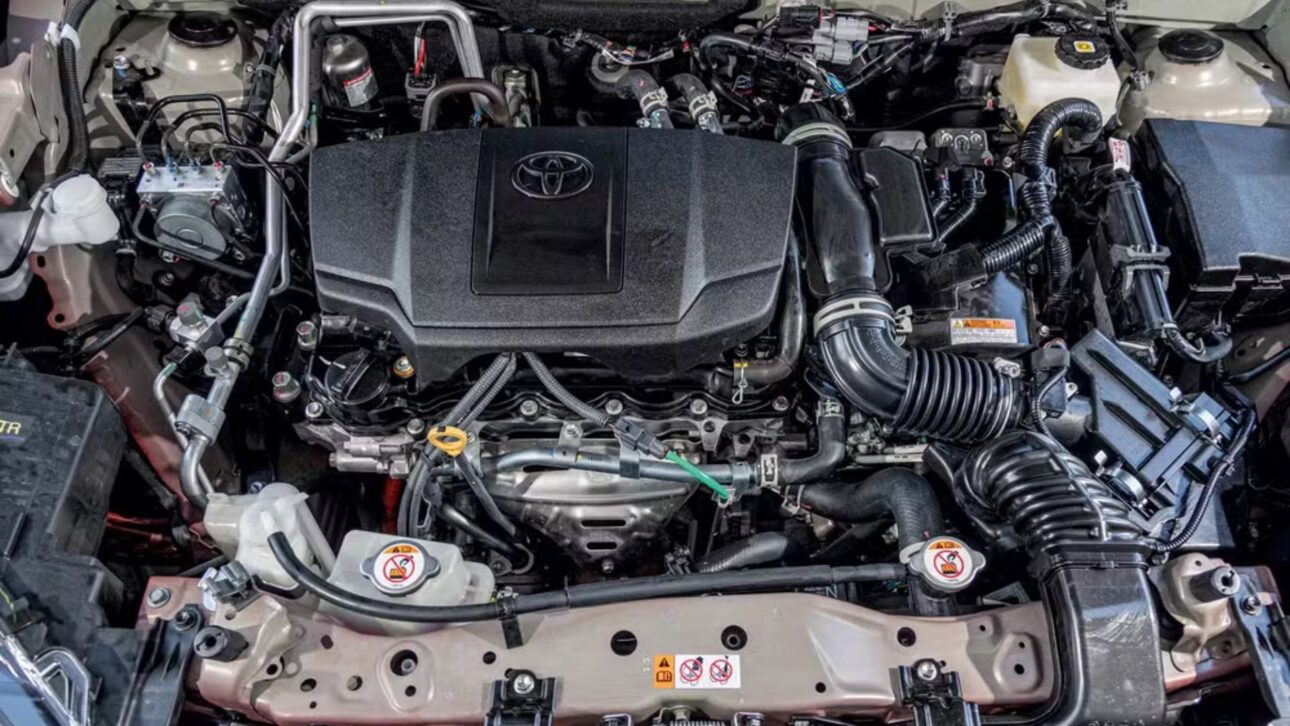
Also according to information published by Autoesporte, the Yaris Cross is expected to leave the factory with six airbags, parking sensors, and part of the Toyota Safety Sense (TSS) package.
Among the features are autonomous emergency braking, lane departure alert, and blind spot detection.
In the more complete versions, there will be a electronic parking brake and digital air conditioning, reinforcing the modern appeal of the lineup.
Market and Pricing Positioning
With local production and a focus on efficiency, the Yaris Cross will occupy the base of Toyota’s range in the country, following the discontinuation of the Yaris hatch and sedan lines.
The estimated price of the SUV is expected to range between R$ 130,000 and R$ 180,000, positioning it directly against Volkswagen T-Cross, Hyundai Creta, Chevrolet Tracker, Nissan Kicks, and Honda HR-V.
Autoesporte also noted that the model was designed to balance cost, consumption, and technology, especially targeting the urban audience.
Consumption Comparisons with Direct Rivals
Among the main competitors, the Volkswagen T-Cross 1.0 TSI records 8.5 km/l in the city and 10.2 km/l on the highway with ethanol, while with gasoline it achieves 12.1 km/l (urban) and 14.5 km/l (highway).
Meanwhile, the Hyundai Creta 1.0 TGDi has 8.4 km/l (city) and 9.0 km/l (highway) with ethanol and 12.0/12.7 km/l with gasoline.
The Ultimate 1.6 TGDi gasoline configuration delivers 11.9 km/l (urban) and 13.5 km/l (highway).
Against these numbers, the performance of the Yaris Cross hybrid reinforces Toyota’s focus on efficiency.
Industrial Calendar and Impact of the Storm
The launch, initially scheduled for October, was postponed after damage to the Porto Feliz (SP) engine plant, caused by a storm at the end of September.
Toyota temporarily halted operations in Porto Feliz, Sorocaba, and Indaiatuba, delaying the schedule for the new SUV.
The company confirmed gradual resumption of production in Sorocaba and Indaiatuba starting November 3, with imported engines, while Porto Feliz still has no defined date for reopening.
In a statement, the president of the automaker in Brazil, Evandro Maggio, stated that the company continues “preparing” for the arrival of the Yaris Cross and that “the launch date will be announced soon,” according to an interview granted to Autoesporte.
The Porto Feliz factory, according to him, would be responsible for the 1.5 engine and the electrical system of the flex hybrid setup.
What to Expect in Practice
In addition to efficiency, the DNGA project focuses on safety and affordable maintenance, characteristics valued among compact SUVs.
The CVT with simulated seven speeds and operation in Atkinson cycle favor performance in urban routes, where the hybrid system can operate more frequently.
For drivers prioritizing highway performance, the combustion versions offer autonomy of up to 600 km and fuel consumption averages above the segment’s average.
With this setup, the Yaris Cross is expected to expand Toyota’s presence in the compact SUV segment and reignite the competition for efficiency.


-

-

-

-

-

17 people reacted to this.