






 Portuguese
  Spanish


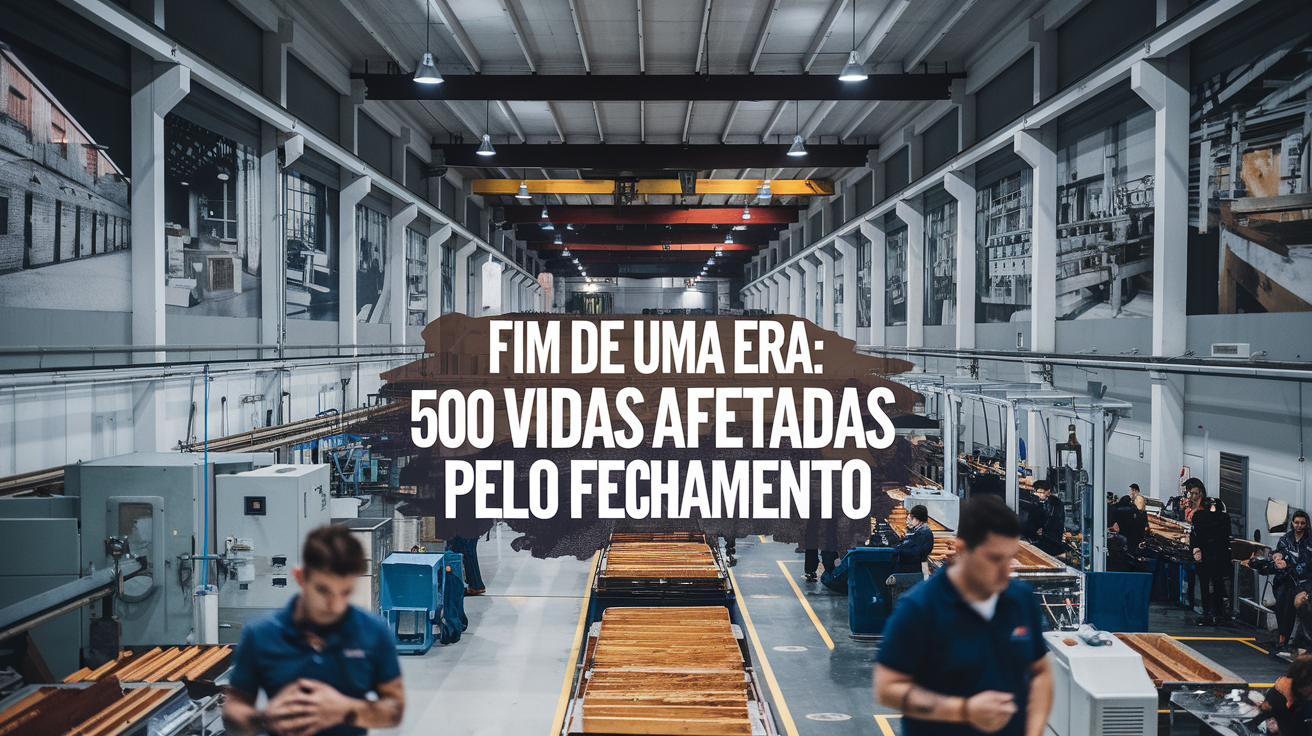


Traditional Cookie Factory Closed Its Doors, Leaving 500 Workers Unemployed. The Group Justified the Measure as Part of a Strategic Restructuring. Technological Modernization and the Search for Efficiency Dictated the Future of the Company, but the Local Community Faces Great Challenges.
A recent announcement shook the city of Lençóis Paulista (SP) and brought to light the harsh reality faced by hundreds of workers.
A cookie factory with more than six decades of history, synonymous with tradition and flavor, has ceased its activities, leaving a trail of uncertainty and concern.
Behind this decision are strategic reasons and a challenging scenario for the food sector in Brazil.
-
Brazil’s 2026 Tax Refund: Record 9.58 Million Filers in Largest Payout Ever, But a Key Detail on Priority Recipients Draws Nationwide Attention

-
Itaú Alters Hybrid Work Model, Increasing Office Days from 2028, Prompting Employees to Adjust to New Routine
-
Facing Labor Shortage, Japan Plans to Invest $34 Million to Attract Foreign Workers in Construction, Healthcare, Industry, and Commerce

-
Brazilian City Makes Remarkable Leap, Becomes 4th Wealthiest in the Country with GDP of R$ 134.1 Billion




Nearly 500 Workers Impacted by the Closure
The M. Dias Branco Group, owner of renowned brands such as Piraquê, Vitarella, Adria, Fortaleza, Richester, and Isabela, announced last Monday (6) the closure of operations at the Lençóis Paulista unit, the former Biscoitos Zabet factory, founded in 1960.
With the closure, around 500 workers were directly affected.
According to the company, the measure is part of a restructuring plan aimed at technological modernization and increased operational efficiency.
The activities of the unit will be transferred to other factories in the group, in an attempt to optimize costs and ensure greater competitiveness in the market.
Commitment to Workers
In a statement sent to g1, the M. Dias Branco Group informed that it is negotiating with the local union a benefits package for the dismissed employees.
The company also assured that, whenever possible, it will offer opportunities in other units to leverage the talent of the affected team.
Check out an excerpt from the official statement released by the company:
“M. Dias Branco informs that it has today undergone a restructuring in its Lençóis Paulista Unit. The Company continues to invest in new technologies and modernizing its industrial units, and as part of this process, the production activities of the Lençóis Paulista factory will be transferred to other units, ensuring greater operational efficiency, cost reduction, and speed in the delivery of products, increasing its competitiveness in the market.”
Moreover, the group emphasized that, over more than 20 years, it has continuously invested in the development of employees, in launching new products, and in maintaining operational structure.
This history reflects the company’s commitment to the local community, even though the closure of the unit represents a difficult and strategic decision.
Reasons Behind the Closure and Layoffs
The modernization of operations was cited as the main reason for the closure.
The group seeks greater efficiency in production and speed in the delivery of its products, factors considered crucial to remain competitive in the current market.
This restructuring is aligned with a strategic plan involving the redistribution of activities to more modern and technologically advanced units.
Although the decision has had an immediate impact on the Lençóis Paulista community, the company claims to be prepared to face the market’s challenges and continue offering quality products.
The Community’s Reaction and the Future of Workers
The closure of activities left deep marks on the local community.
For many, the old Biscoitos Zabet factory was not just a place of work, but also a symbol of identity and tradition.
Now, the main concern revolves around the future of the workers, who face the difficult task of re-entering the job market.
The negotiation between the union and the company for defining the benefits package will be crucial in minimizing the social and economic impacts caused by the closure.
Among the demands are financial assistance, psychological support, and job placement programs.
A New Chapter for M. Dias Branco
Despite the negative impact on the Lençóis Paulista community, the M. Dias Branco Group reaffirms its position as a leader in the food sector.
The modernization of units and the focus on operational efficiency are seen as pillars to sustain the company’s growth in the coming years.
With a diversified portfolio of brands and products, the group maintains its commitment to innovation and quality.
However, the challenge of balancing competitiveness and social responsibility remains a crucial point for the future.
What is the impact of this closure on the Brazilian food industry? Share your thoughts in the comments!









Tem uma cidade que chama Santo Antônio do Monte- MG, está faltando mão de obra.
Piraquê uma das apoiadoras do pt, parabéns, pimenta nos zoio dói né. Eu não compro mais estas.marcas e outras de frango, café e uma de roupas além de certos bancos. Faço minha parte, apoia esquerda, tô fora.
Ela fazem o que querem no Brasil estas multinacionais!
Isso é um monopólio escancarado!
Sou contra está comprarem as pequenas, assim eles diminuem os custos dos produtos, mas pra no consumidores, não muda de nada, pagaremos mais caro pelo produto, pois não tem muitos concorrentes, para brigarem pelo um preço justo!
Boicotem, só assim eles(MULTINACIONAIS) se desesperam, não precisamos DE BISCOITO, MAS SIM DE ALIMENTOS MAIS SAUDÁVEIS!