Portuguese
  Spanish


Report reveals how criminal groups control suppliers, impose mandatory purchases, and influence the prices of basic products consumed daily by the population.
Hundreds of merchants in Rio de Janeiro report living under the control of traffickers and militias, who have started to interfere directly in the purchase and distribution of essential products. Markets, bakeries, barbershops, and other establishments claim to have lost the freedom to choose their suppliers.
An investigation aired by Fantástico, after two months of inquiry, showed that companies indicated by criminal organizations have started to monopolize the sale of various items. Merchants interviewed by the report state that the order is simple: buy from the designated suppliers or face consequences.
Control extends over food, gas, and construction materials
Basic everyday products are among the main targets of the scheme. Reports presented in the story mention the commercialization of flour, eggs, garlic, onion, charcoal, water, gas, and construction materials.
-
U.S. Establishes Permanent Embassy in Jerusalem, Reigniting International Debate Over Israel’s Capital

-
The world has nearly 12,000 nuclear warheads, with the majority held by the United States and Russia; see the figures for China, France, and the United Kingdom.

-
Venezuela Faces UN Alert for Hunger, Disease, and Service Collapse After Earthquakes Cause Nearly 2,000 Deaths and $6.7 Billion in Damages

-
Brazil Deploys Navy Field Hospital with ICU, Orthopedics, Pediatrics to Earthquake-Stricken Area in Venezuela, Offering 30 Beds and 150 Daily Consultations


Parallel charges are also part of the merchants’ routine. Establishment owners claim they need to pay fees to keep their doors open. The result, according to the testimonies, is a scenario of constant loss.
Monitoring conducted during the investigation followed distribution centers and warehouses. Police authorities reported that some companies under investigation are linked to criminal organizations operating in different regions of the city.
Competing suppliers face blockades and threats
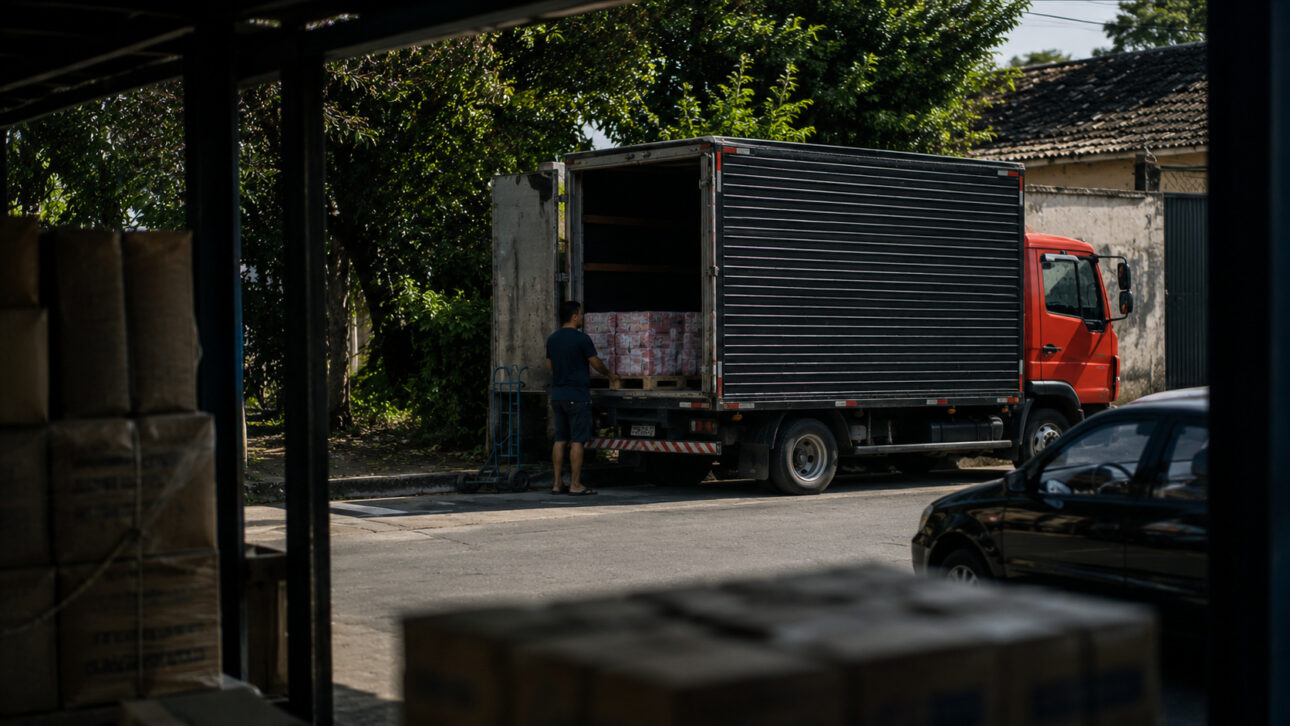
Territorial dominance imposed by factions and militias also affects companies trying to operate in the communities. Trucks from competing suppliers are prevented from accessing certain areas.
Drivers report threats of robbery and even vehicle arson if they insist on making deliveries. Merchants state that, often, they receive only a notice informing them that, from then on, only a specific company will be able to supply goods.
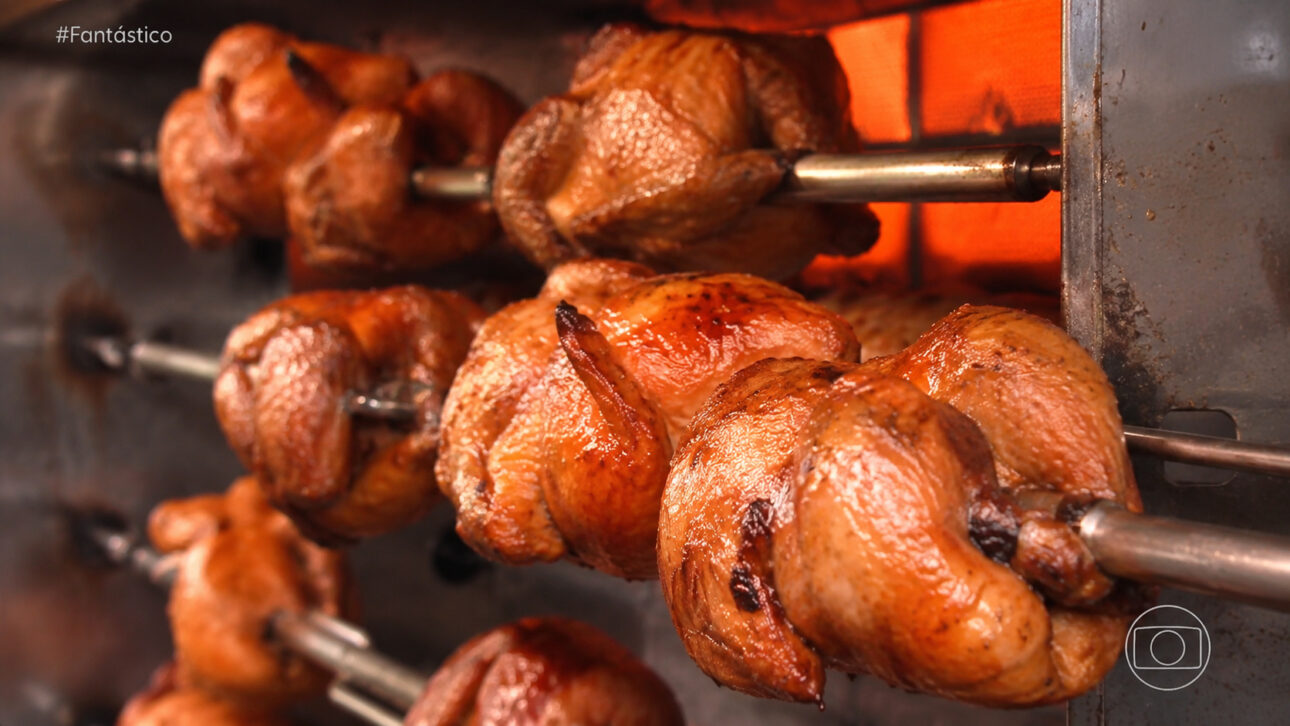
Regions in the West Zone reported similar situations involving the sale of roast chicken. Establishment owners reported that they left traditional suppliers and began buying exclusively from distributors indicated by criminal groups.
Monopoly causes price increase for consumers
Effects of the scheme directly impact the population’s pocket. Data presented by the report show that, in some locations, the price of roast chicken jumped from R$ 10 to R$ 40 after the entry of criminal groups into this market.
Experts interviewed highlighted that the reduction of competition favors charging prices above the values normally practiced. Consumers end up absorbing part of the costs imposed by the illegal monopoly.
Wheat flour appears among the main focuses of the investigations. Fantástico teams recorded movements at the companies Evolução, located in Campo Grande, and Fênix, situated in Madureira.
Merchants state that they were forced to purchase flour in quantities greater than necessary. Reports indicate that products normally sold for about R$ 70 reached commerce at values between R$ 100 and R$ 110.
Impacts even reach the traditional French bread, whose final price ends up being pressured by the additional costs faced by bakeries.
Investigated companies deny connection with criminal factions
Representatives of the company Evolução told Fantástico that they could not comment on the images recorded by the report as they do not have access to the material. The defense classified the accusations as speculation.
The position of the company Fênix stated that there is no link, participation, or association with criminal factions or illicit organizations. The company also declared its willingness to remain available to the authorities to provide clarifications.
Merchant’s death and police operation expand investigations
The case investigated by the police gained attention after the death of merchant Rafael Oliveira Braga, which occurred in March last year. Investigations indicate that he had refused to buy flour from a distributor linked to the scheme.
Civil Police carried out, last Wednesday, the execution of 14 search and seizure warrants related to the investigated companies.
Inspections found expired products in one of the inspected warehouses. A man was caught in the act during the operation.
Police teams also identified inadequate storage conditions at another location. Food was found near animal feces, as recorded during the action.
Control of distribution strengthens crime’s financial resources
Investigations indicate that control over product sales represents an important source of revenue for factions and militias.
Resources obtained through this system fuel the so-called war chest, used for purchasing weapons and maintaining territorial dominance in various regions of the city.
A feeling of helplessness appears in several accounts gathered by the report. Merchants state that they work under constant pressure and with no prospects of regaining autonomy over their businesses.
In light of this scenario, how far can the advance of organized crime over essential economic activities impact the routine of merchants and consumers in Rio de Janeiro?