Portuguese
  Spanish


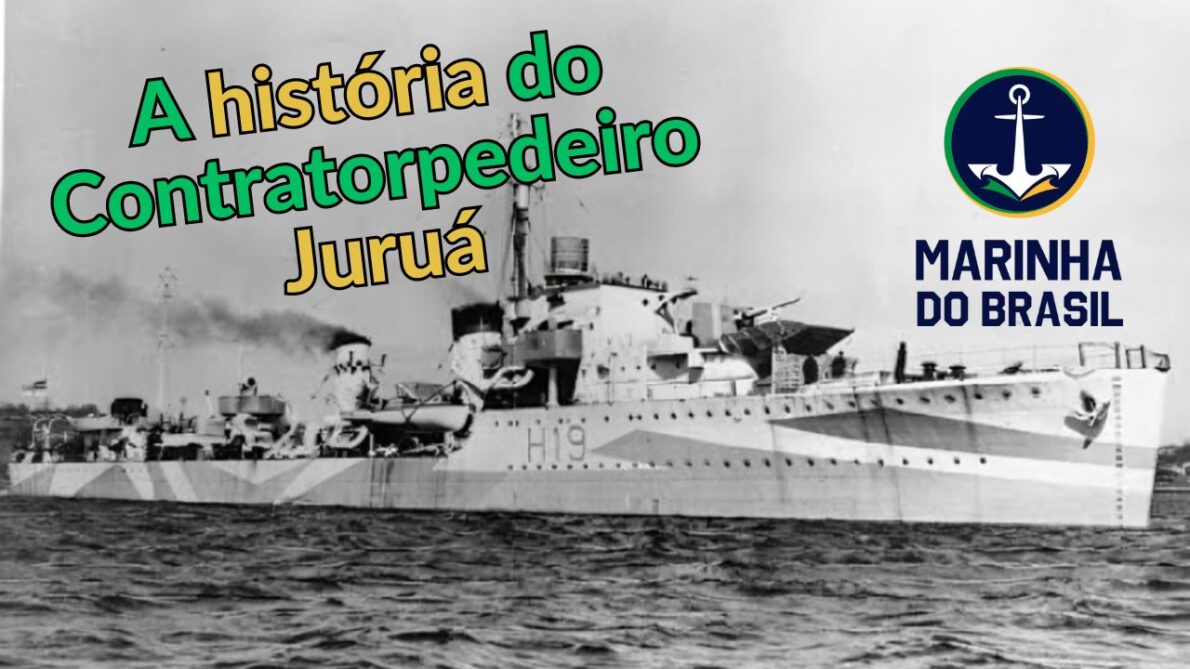

Learn How the Brazilian Destroyer Jurua, Built in Great Britain, Had Its History Marked by Participation in World War II Under the British Flag, and How Its Heroic Deeds Contributed to Naval History.
The history of the Brazilian destroyer Jurua is a fascinating chapter of the Brazilian Navy. Let’s explore the events that led to the development of this and other ships of its class, and how the Jurua ended up serving the Royal Navy during World War II.
In the 1930s, the Brazilian Navy faced a crisis. The navies of Argentina and Chile had already modernized, while Brazil had not acquired new cruisers for over 20 years and new destroyers for over a decade. To modernize its fleet, Brazil sought help from the United States and Great Britain.
With the Support of the United States, Brazil Began Building Three Destroyers


In 1937, with the support of the United States, Brazil began building three destroyers of the Marcílio Dias class. At the same time, it negotiated with Great Britain to purchase six new destroyers, which would form the Jurua class, based on the British G and H classes. These ships would be: Japurá, Jaguaribe, Juruena, Jutaí, Javari, and Jurua.
-
The man who started in construction with his own house founded a company in 1957, went through a banking crisis in 1987, and ended up connected to 16,500 houses in Houston.

-
They exchanged the idea of a large house for a 35 m² warehouse, spent US$ 12,000 on the structure, and created a tiny house in Colorado with space to live and work.
-
While modern cities rely on pumps and electricity, in Iran, ancient tunnels carried water through the desert using only slope and gravity.
-
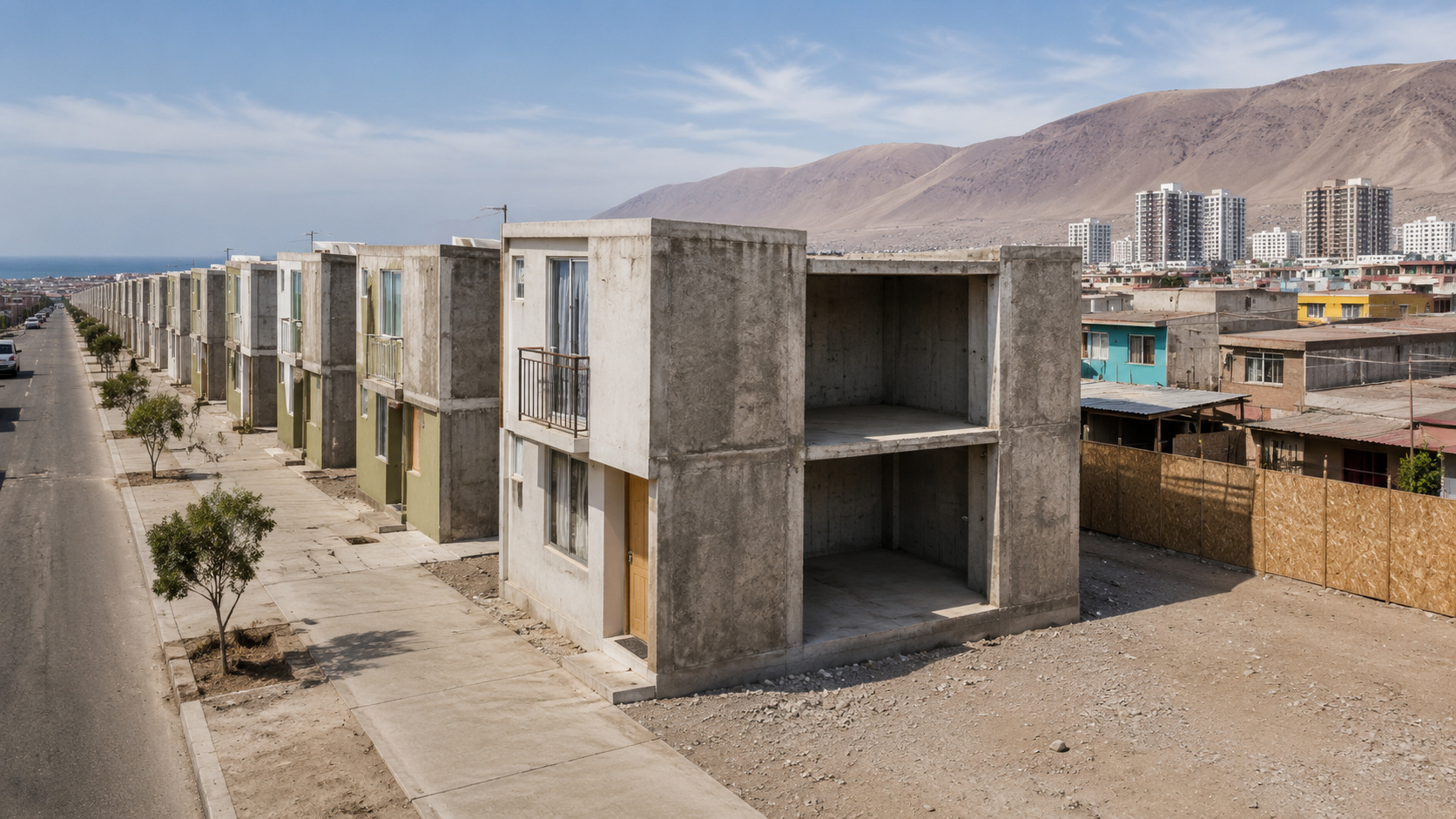
Instead of sending families far from the city, a project in Chile intentionally created incomplete houses on expensive urban land and left technical space for each to grow.


The construction of the ships began in 1939, but with the onset of World War II, the Royal Navy requisitioned all the ships of the class. To maintain good relations with Brazil, Great Britain paid for the ships and offered the designs, allowing Brazil to build destroyers of the Acre class.
Brazilian Destroyer Jurua, Renamed HMS Harvester, Was Commissioned in May 1940
The ships of the Jurua class, renamed to the Avant class, were constructed until June 1940. The Jurua, renamed HMS Harvester, was commissioned in May 1940. Armed with three 120 mm guns, two quadruple 533 mm torpedo launchers, and eight 12.7 mm Vickers machine guns, the Harvester had a displacement of 1,800 tons and a maximum speed of 36 knots.
The HMS Harvester took part in the evacuation of Dunkirk, rescuing over 2,000 soldiers. In October 1940, along with the HMS Highlander, it sank the German submarine U-32. Modernized in 1942, it received more anti-aircraft and anti-submarine armaments, as well as a radar system.
After Sinking the U-444, It Was Hit and Disabled by the U-432
In March 1943, while escorting a convoy to Liverpool, the Harvester faced nine German submarines. After sinking the U-444, it was hit and disabled by the U-432, which was also sunk. Unfortunately, the Harvester was sunk, resulting in the loss of 149 crew members.
Despite its loss, the history of the Brazilian destroyer Jurua, also known as HMS Harvester, is a testament to bravery and naval efficiency. Its legacy continues to inspire the Brazilian Navy and the memory of its heroic service during World War II.