






 Portuguese
  Spanish
  2 min of reading
  0 comments


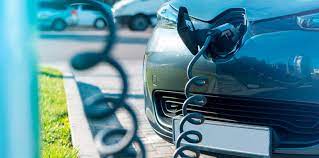
Challenges And Perspectives For Vehicle Electrification In Brazil
The path towards vehicle electrification in Brazil shows a significant delay of about five years compared to leading markets, according to a study by the A&M consultancy. This reality, driven by factors such as the low purchasing power of the population and difficulties in accessing credit, poses a challenge for the national automotive industry.
The Current And Future Scenario Of Electric Vehicles In Brazil
David Wong, automotive sector specialist director at A&M, points out that although the prices of electric vehicles are decreasing, they are still significantly more expensive than models with internal combustion engines. The battery, which makes up a large part of the cost of the electric vehicle, represents an additional challenge for the Brazilian market. The estimate is that, by 2030, Brazil will reach 1.3 million electric vehicles in circulation, expanding to about 20 million by 2050, an ambitious goal considering the current obstacles.
Obstacles In The Production Of Electric Vehicles And Batteries
One of the main challenges for the Brazilian industry is the lack of battery production infrastructure, even though the country has almost all the necessary minerals. The investment required to start a battery plant is substantial, and setting up a cell factory can take up to three years. This scenario puts Brazil in a delicate position, as, while advancing in the local production of technology, other countries will have already achieved self-sufficiency in producing electric vehicles and their components.
-
Is the BYD Song Pro worth it? The Anderson Sincero channel says it doesn’t exceed R$ 140,000, and the price dropped by R$ 47,000, reinforcing the depreciation of the plug-in hybrid in the Fipe table.

-
Caoa Changan CS75 arrives for R$ 199,990 with 4.77 m in length, a trunk of up to 1,620 liters, 8-speed Aisin transmission, 180 hp, 37.2 inches in screens, and Zero Gravity seat with massage.
-
Cheaper than a brand new Fiat Cronos, this used SUV offers a giant 516-liter trunk, a 1.0 Turbo 200 flex engine, CVT automatic transmission, and six airbags; the 2023 Fiat Fastback Impetus positions itself as a more complete alternative than the entry-level Cronos for those seeking more for the same budget.

-
The Ford Ranger plug-in hybrid, the same rugged pickup that handles 800 mm of water, becomes a plug-in pickup with a flex-fuel ethanol engine and is chosen as the International Pickup of 2026.


The Brazilian Automotive Industry Facing Technological Transition
Brazil, being one of the few countries with the industry and scale capable of supporting the production of systems for combustion engines, faces the challenge of how to leverage this productive capacity. Companies need to find strategies to maintain competitiveness while the country transitions to new technologies, in order to prevent the national automotive industry from losing relevance and becoming just an importer of assembled vehicles.
The Need For Innovation And Adaptation
The adoption of electric vehicles in Brazil requires an innovative and adaptive approach from both companies and the government. The integration of more advanced technologies and the creation of incentive policies can accelerate this transition process, ensuring that the Brazilian automotive industry remains competitive and relevant in the global scenario.
In summary, the transition to electric vehicles in Brazil faces a series of challenges, but also offers opportunities for innovation and sustainable development. With the right planning and strategies, the country can overcome these obstacles and position itself as a significant player in the global electric vehicle market.
Source: Mariana Ramos.





Be the first to react!