






 Portuguese
  Spanish


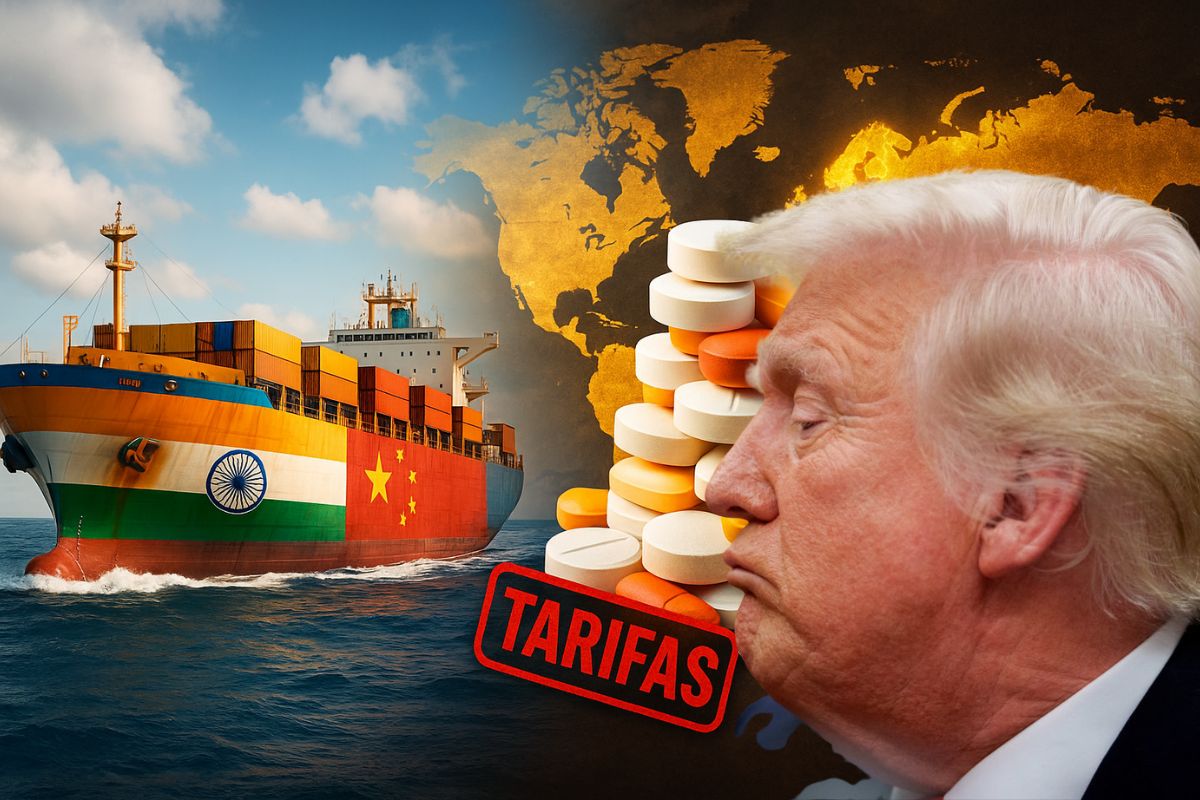


By Imposing Tariffs of Up to 50% and Calling the Indian Economy “Dead,” Donald Trump Created Space for India to Approach China and the BRICS, Isolating the U.S. in Asia.
According to analyst Cyrus Janssen, Donald Trump’s decision to raise tariffs against India represented a strategic mistake that could cost the United States dearly. The South Asian country, considered the fastest-growing economy in the world, was seen as a key player in the geopolitical balance against Beijing. However, in face of the sanctions, India is Approaching China and the BRICS, further strengthening the bloc that gathers emerging economies and weakening American influence in the region.
For New Delhi, the shift is not just an immediate reaction to the tariffs. It is a strategic choice to reduce dependence on the U.S. and expand alliances in trade, energy, and security.
How Trump Lost India
By imposing tariffs of up to 50% on Indian products, Trump broke decades of rapprochement between Washington and New Delhi. In addition to the taxation, the president declared that the Indian economy was “dead” and that the U.S. “did little business” with the country, according to the Financial Times — statements that disregard the fact that India has grown more than 13 times its GDP since 1991 and exports billions in pharmaceuticals, technology, and manufactured goods to the U.S.
-
Half of Brazilians Prefer Lower Taxes with Private Health and Education, While 44% Opt for Higher Taxes for State-Provided Services, Datafolha Survey Reveals

-
Brazil’s Most Expensive Toll Rises to R$ 40.60 on Route from São Paulo to the Coast, Nearly Matching Bus Fare to Santos

-
As Brazil Expands Social Welfare, Survey Reveals 40% Blame Poverty on Laziness, While 58% Cite Lack of Opportunities

-
China Tightens Control on Antimony, Driving Prices from $22,000 to Nearly $40,000 per Ton as U.S. Rushes to Bolster Strategic Reserves




This move is seen by experts as a gift to Beijing and Moscow, which quickly expanded cooperation with Narendra Modi’s government. India has begun to intensify negotiations with China and reaffirmed its “privileged strategic partnership” with Russia, including in the energy sector.
Modi’s Response: Diplomacy and Approach to the BRICS
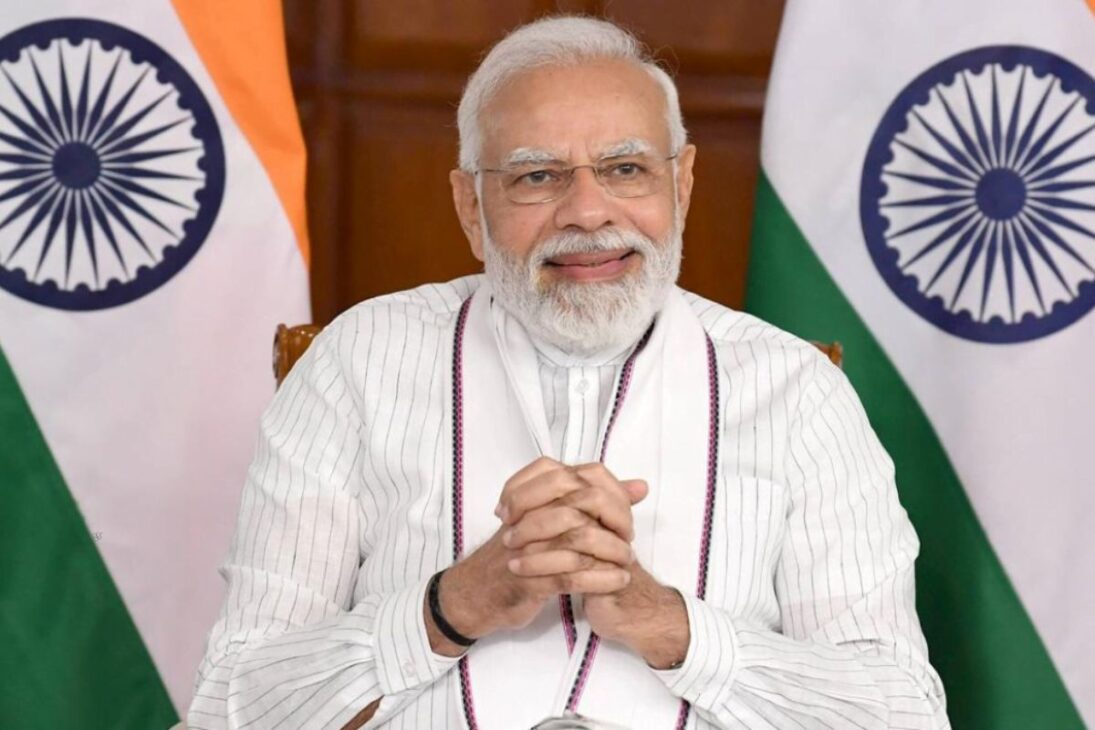
Prime Minister Narendra Modi reacted in a calculated manner. Instead of yielding to Washington’s pressures, he scheduled his first visit to China in seven years and publicly reinforced ties with Vladimir Putin. In an official statement, he called the Russian leader a “friend” and emphasized the intention to expand bilateral agreements.
This shift shows that, instead of weakening the BRICS, Trump ended up strengthening the bloc. For New Delhi, being alongside China and Russia ensures greater maneuverability in trade and energy negotiations, in addition to reinforcing its position as an emerging power in the Global South.
Impacts for the U.S. and Asia
The immediate consequence is that India is Approaching China and the BRICS just as the U.S. was trying to contain China’s expansion in the Indo-Pacific. With the loss of a strategic ally, Washington is losing influence on crucial issues such as maritime routes, technology, and energy.
Moreover, American sectors dependent on India, such as pharmaceuticals — since 40% of the generics consumed in the U.S. come from there — may face even higher costs due to the tariff policy. In practice, the impact falls on the American population, while the space left is filled by China and Russia.
A Long-Term Geopolitical Shift
Analysts read that Trump accelerated multipolarity by forcing India to seek alternatives to the dollar-dominated system and Western institutions. For New Delhi, it is not just about trade, but about repositioning the country as a central actor among the largest economies of the 21st century.
As Cyrus Janssen highlights, Trump’s move may be remembered as one of the biggest failures of U.S. foreign policy, comparable to the loss of other strategic allies. India is not just a market — it is a pillar of the future power balance in Asia.
The scenario is clear: India is Approaching China and the BRICS, and the U.S. is facing increasing isolation in Asia. Trump’s strategy, based on economic pressure, opened space for a historic reconfiguration of global alliances.
What do you think, do you believe the U.S. has definitively lost India as an ally? Or is there still a chance for rapprochement? Leave your opinion in the comments — we want to hear your view on this geopolitical shift.




QUEM DEU O PASSO PRA DERRUBAR O USA FOI O LULINHA, NINGUÉM TINHA CORAGEM, AGORA TODO MUNDO TA DANDO UM PÉ NA **** DOS ESTADOS UNIDOS
O tarifaço do Trump deu o empurrão p/ o Brics pegar no tranco. Índia China e Rússia se aproximam e remodelar a economia asiática. O Brasil como sempre sai atrasado. Nem se acerta c/ os EUA, nem fortalece laços políticos e econômicos c/ os Brics. E haja discursos do Lulinha paz e amor…
Brasil faz parte dos BRICS. No início, eram 5 países. Parece, que já entraram mais países, ou seja a fila anda… e os BRICS+++ também. Penso que o ” Orange” não está suportando a ideia de que a moeda dos BRICS +++ não será o dólar. 😁😅👏👏👏