Portuguese
  Spanish


Trump Government Request Seeks To Restore Ban On Transgender Military Members, While Partial Court Decisions And Opposition Continue
On Thursday, President Donald Trump requested that the U.S. Supreme Court allow the enforcement of the ban on transgender individuals in the Armed Forces. The request was made while legal challenges against the measure continue.
Without a Supreme Court order, the ban could take months to go into effect. According to Attorney General D. John Sauer, this time frame would be too long for the Armed Forces to be forced to maintain a policy deemed harmful to military readiness and national interests.
The request comes after a brief decision by a federal appeals court, which upheld a nationwide block of the ban.
-
European Parliament Approves Digital Euro, Aiming to Challenge Visa and Mastercard’s Dominance and Transform Payments Across Europe by 2029

-
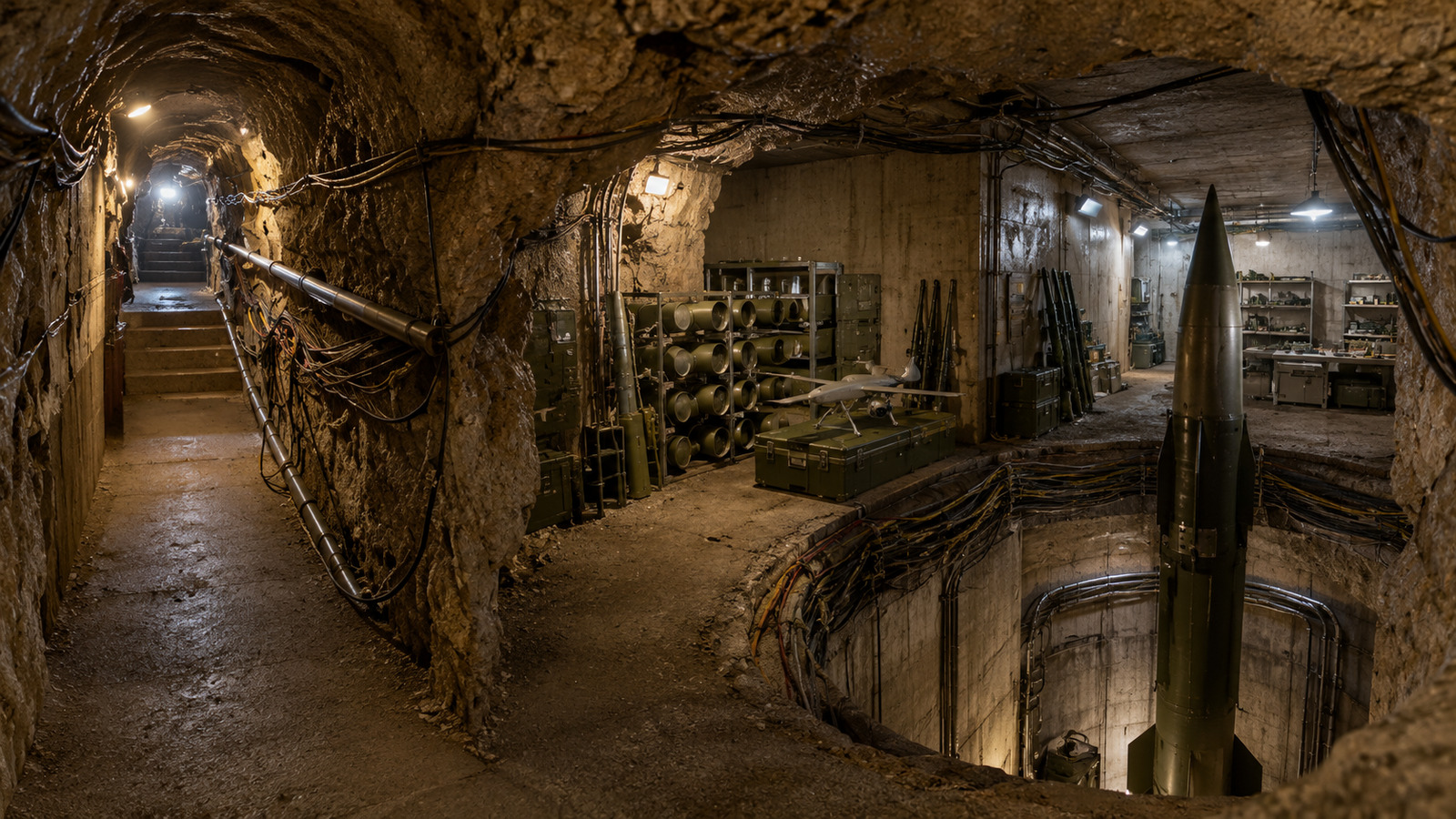
Israel finds Hezbollah militarized tunnel over 200 meters long under village, with 4 missile launch shafts, 12 chambers, anti-tank missiles, drones, and weapons depots at a depth of 25 meters.

-
Ukraine launches largest drone attack on Moscow since 2022, Russia claims to have intercepted nearly 200 aircraft near the capital, Kapotnya refinery targeted again, and offensive reignites alert about war reaching the Russian energy heart just a few kilometers from the Kremlin.

-
Truck drivers, freight, and fines from 2022 take center stage in politics: Chamber approves MP with amnesty, mandatory tracking by CIOT, million-dollar penalties, and new minimum wage for those who spend more than 24 hours on the road.



Sauer wrote that, at the very least, the court should allow the ban to be applied in all cases except for the seven service members and the military applicant who filed lawsuits against the measure.
The court granted one week for the lawyers representing those service members to submit their responses.
Policy Changes And Judicial Resistance
After the start of his second term in January, President Trump began taking aggressive measures to reverse rights granted to transgender individuals.
Among his actions, he issued an executive order stating that the gender identity of transgender service members is incompatible with the commitment to maintain an honorable, honest, and disciplined lifestyle, even outside of active duty. The order claimed that the presence of transgender individuals would harm military readiness.
In response, Secretary of Defense Pete Hegseth announced a new policy. The measure presumably disqualifies transgender individuals from military service.
However, in March, U.S. District Judge Benjamin Settle in Tacoma, Washington, ruled in favor of several long-serving transgender service members. They claimed that the ban was discriminatory and insulting, and that its removal would cause lasting damage to their careers and reputations.
Judge Settle pointed out that the Trump administration did not provide any explanation for why openly serving transgender service members over the past four years, with no known incidents, should be banned.
Settle was appointed by President George W. Bush and is a former captain in the Army Judge Advocate General’s Corps.
History Of Transgender Policy In The Armed Forces
During Barack Obama’s administration, the Department of Defense allowed transgender individuals to serve openly. During Trump’s first term, he attempted to revoke this policy, allowing exceptions only for those who had already started transitioning under more flexible rules.
At the time, the Supreme Court authorized Trump’s ban to go into effect. Subsequently, Democratic President Joe Biden reversed the decision as soon as he took office.
The rules that the Department of Defense intends to implement now do not include exceptions. Sauer argued that the blocked policy and the previous version adopted under Trump are “materially indistinguishable.”
Thousands of transgender individuals currently serve in the Armed Forces. However, they represent less than 1% of the total active military force.
Recent Court Decisions And Expectation From The Supreme Court
In addition to the main lawsuit, other court rulings are also shaping the landscape. A federal judge in Washington, D.C., blocked the ban.
However, this decision was temporarily suspended by a federal appeals court. In the latest hearing, the three-judge panel, including two Trump appointees, appeared to favor the government’s position.
In a separate case, a New Jersey judge prohibited the Air Force from dismissing two transgender men. The magistrate stated that their removal would cause irreparable harm to the careers and reputations of the affected service members, harm that could not be compensated with financial remedies.
The outcome now depends on the Supreme Court’s decision and the responses that will be submitted by the lawyers of the service members challenging the ban.
Information from Fast Company.