






 Portuguese
  Spanish


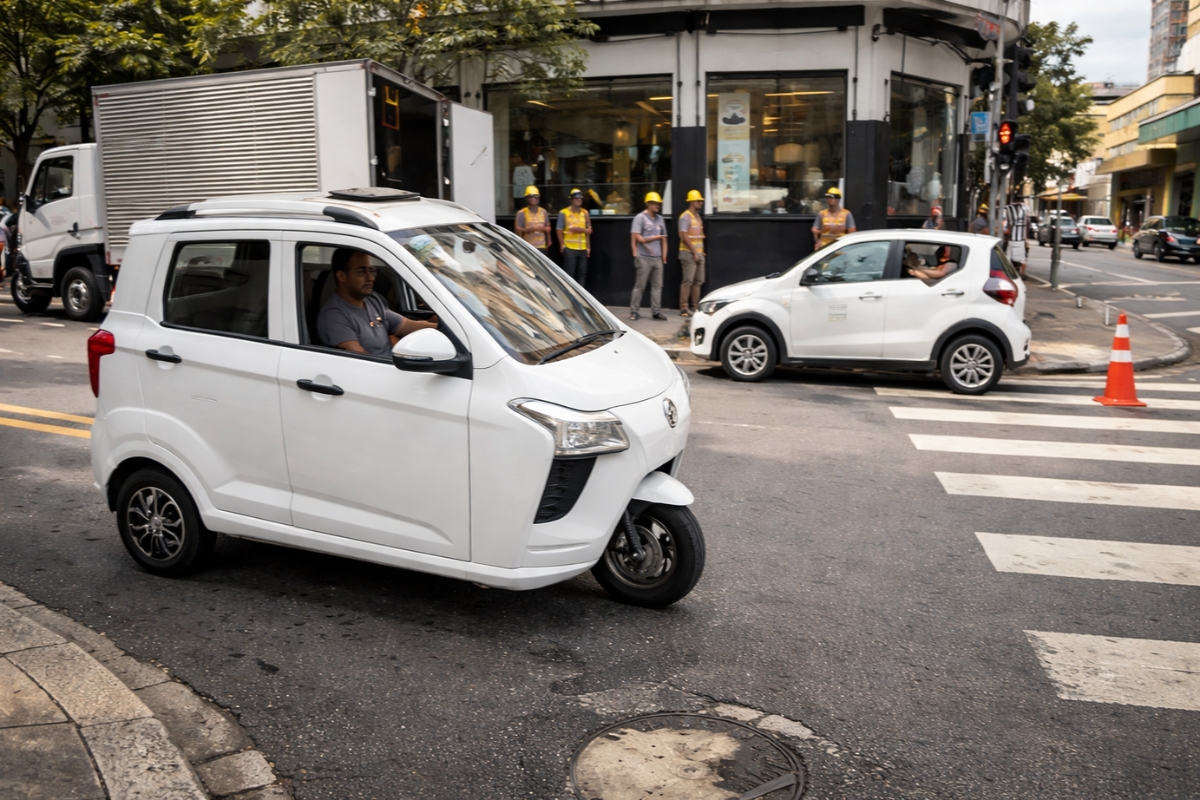


Alternative Is Seen As Viable Due To Heavy Traffic In Large Cities, Which Needs Practical Solutions
Three-wheeled electric cars, popularly known as tuk-tuks, have begun to arouse the curiosity of drivers and pedestrians in São Paulo following the launch of Grilo Mobilidade, a startup that introduced an urban transport service using this type of vehicle. Thus, being compact, enclosed, and quiet, the tricycles caught attention on the streets of the central region of the São Paulo capital during the testing phase of the app.
However, despite the visibility and the debate generated, one question remains unanswered: after all, how much does it cost to purchase a vehicle like the one used by Grilo?
So far, there has been no official price announcement for the electric tricycles used by the startup. The available information focuses on the operation of the service, the urban mobility proposal, and the regulatory challenges faced by the company with the municipal government. Therefore, the absence of data regarding the acquisition cost fuels speculation, but also reinforces that, at least for now, Grilo’s focus is not on selling the vehicles.
-
Sales of Brazil’s Cheapest Electric Car Halted Before First Deliveries: E-Motors Suspends Emova Easy Due to Import Tax Increase and Rising Freight Costs

-
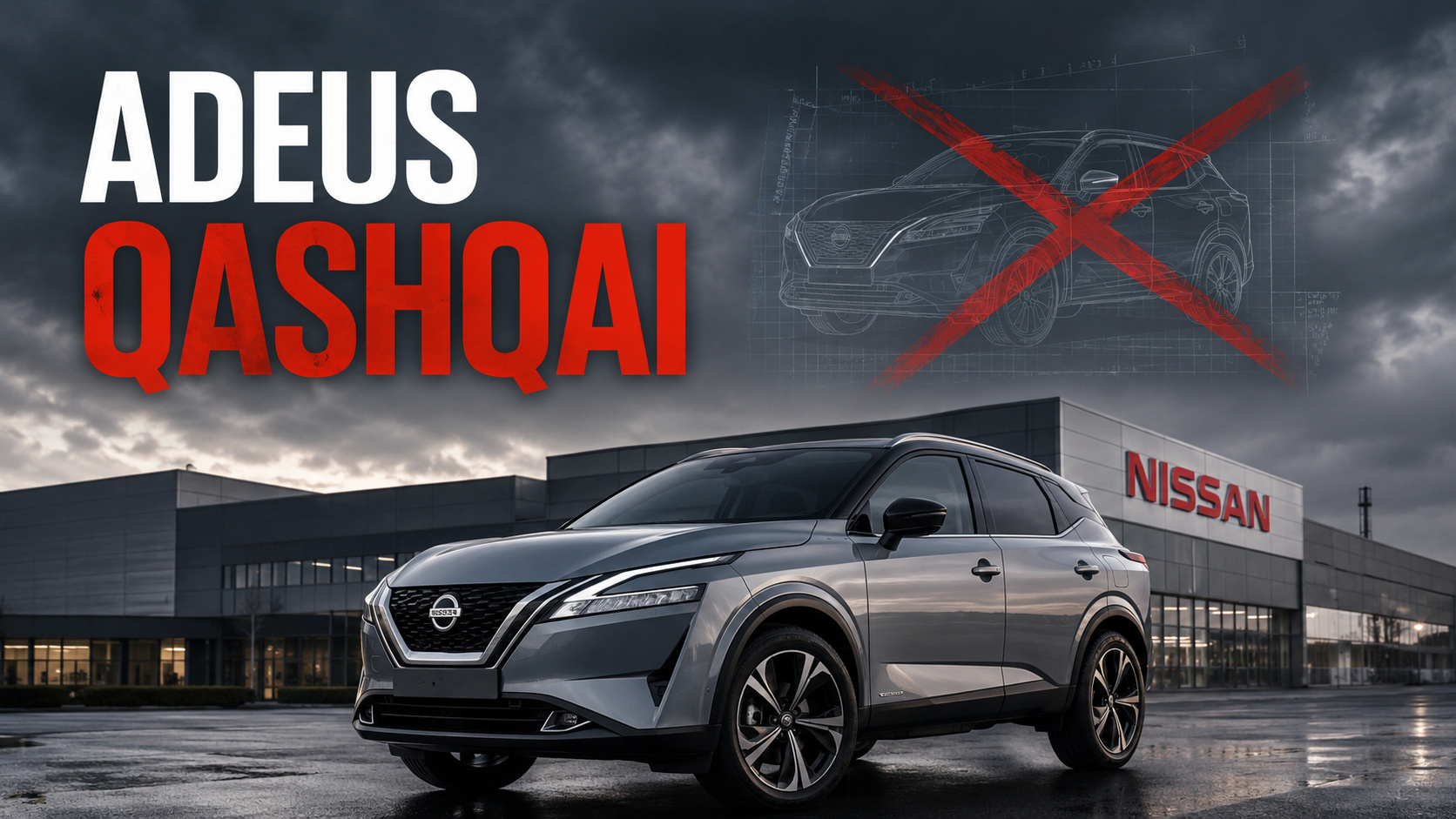
Nissan Discontinues Qashqai SUV Amid Cost-Cutting, Chinese Competition, and Product Line Review

-
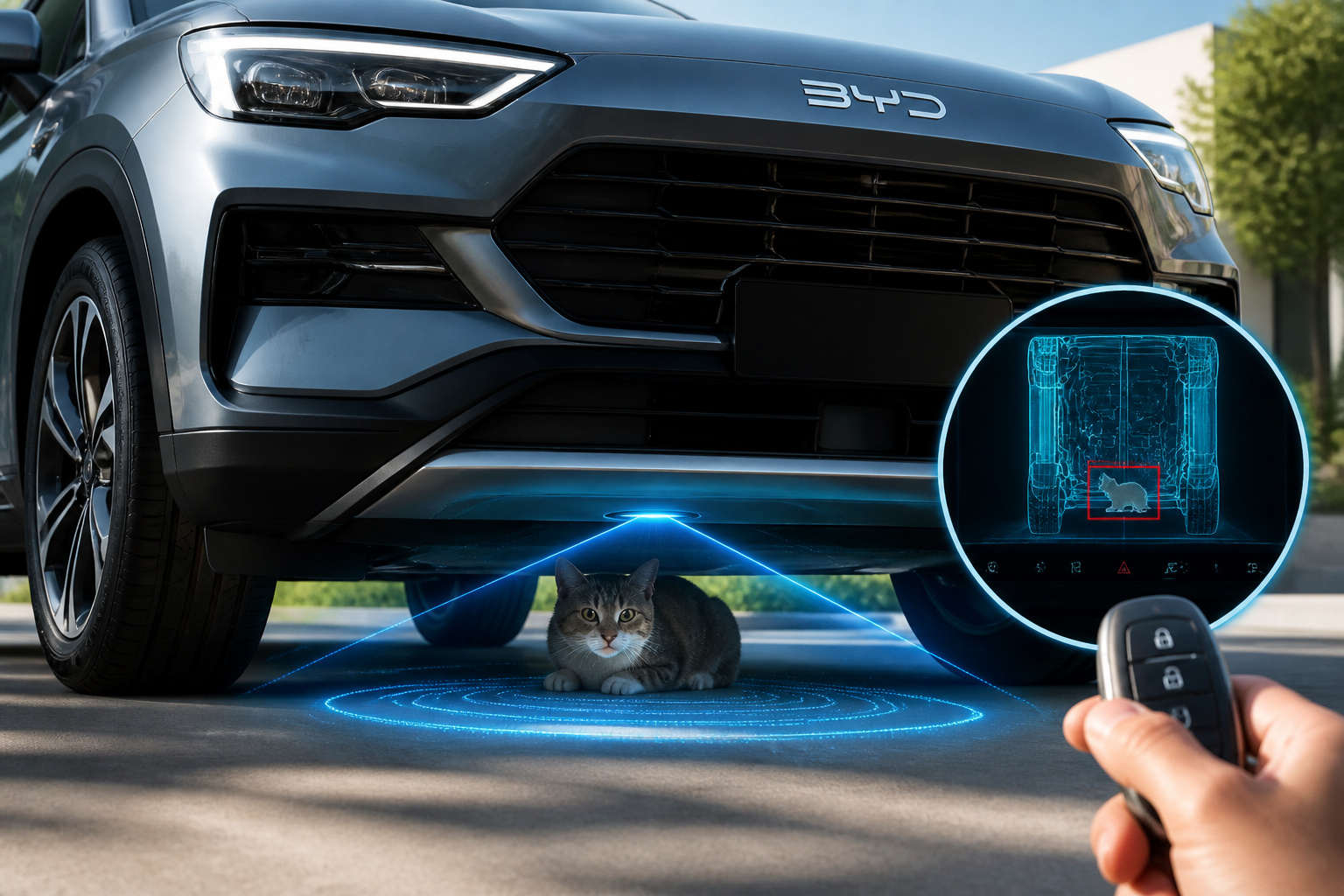
BYD Patents Revolutionary System Using Computer Vision to Detect Animals Under Cars Before Starting, Preventing Tragedies

-
Study Reveals Why Cars Are More Expensive to Produce and Buy in Brazil Compared to Mexico, Highlighting Taxes, Logistics, and Industrial Costs as Key Factors.


Tuk-Tuk Was Initially Designed For Urban Areas
Previously, the company began its pilot operations with enclosed electric tricycles designed for short trips in high-density urban areas. The vehicles feature three wheels, an enclosed cabin, seat belts, and fully electric motors, being presented as an intermediate alternative between motorcycles and cars. Thus, the proposal is to serve quick routes, dubbed by the startup as “hops,” aimed primarily at the public seeking agility in congested areas of the city.
According to reports published by UOL and GazetaSP, the tricycles used by Grilo have an approximate range of 80 kilometers and a speed limit suitable for urban traffic. These characteristics reinforce the positioning of the vehicle as a solution for the so-called “last mile,” a concept increasingly discussed in sustainable urban mobility policies.


Despite the initial public interest, the service was ultimately suspended by the São Paulo City Hall. The municipal administration understood that the model would resemble the motorcycle-taxi service, which is currently prohibited in the capital. From this interpretation, a debate began regarding the legal framework of electric tricycles and which legislation should apply to this type of transport.
After the suspension, Grilo Mobilidade issued a statement claiming that it has authorization to operate within the current rules. In a statement reproduced by UOL, the company claimed to have “full authorization for circulation according to all the rules required by the Authorized Transport Technology Operator (OTTC).” The startup also reported that it intends to appeal administratively and judicially to resume operations in the city.
This regulatory uncertainty helps explain why no official price has been announced for the vehicles. At least for now, Grilo has not announced plans to sell the tricycles to the general public. The business model presented so far is based on a proprietary fleet, used exclusively for the app-based transport service. Thus, even if the vehicles inspire interest as a product, they are still not available commercially.
It Is Already Possible To Have An Idea Of Prices
Even so, it is possible to have a sense of prices by observing the Brazilian market for electric tricycles. Reports on electric mobility indicate that prices vary greatly, depending on factors such as vehicle size, range, safety level, and approval from the relevant authorities. Simpler models, generally open or with basic structures, can cost less than R$ 50 thousand. More robust versions, with enclosed cabins, greater range, and comfort features, may exceed that amount significantly.
Experts warn, however, that these figures are only market references and should not be directly associated with the vehicles of Grilo. Without an official announcement from the company or the manufacturer of the tricycles used, any disclosed value should be treated as an informal estimate.
For readers interested in following the topic, the main recommendation is to seek information in official communications from the companies involved and in reports from reliable journalistic outlets. Texts on alternative mobility solutions help contextualize trends and urban debates but do not replace confirmed data.
As the regulatory discussion remains open and there is no definition regarding the resumption of the service, three-wheeled electric cars remain a novelty that sparked curiosity but is still surrounded by uncertainties. Until Grilo or similar manufacturers announce public values, the price of these tricycles will remain an unknown in the context of urban mobility in São Paulo.


