Portuguese
  Spanish


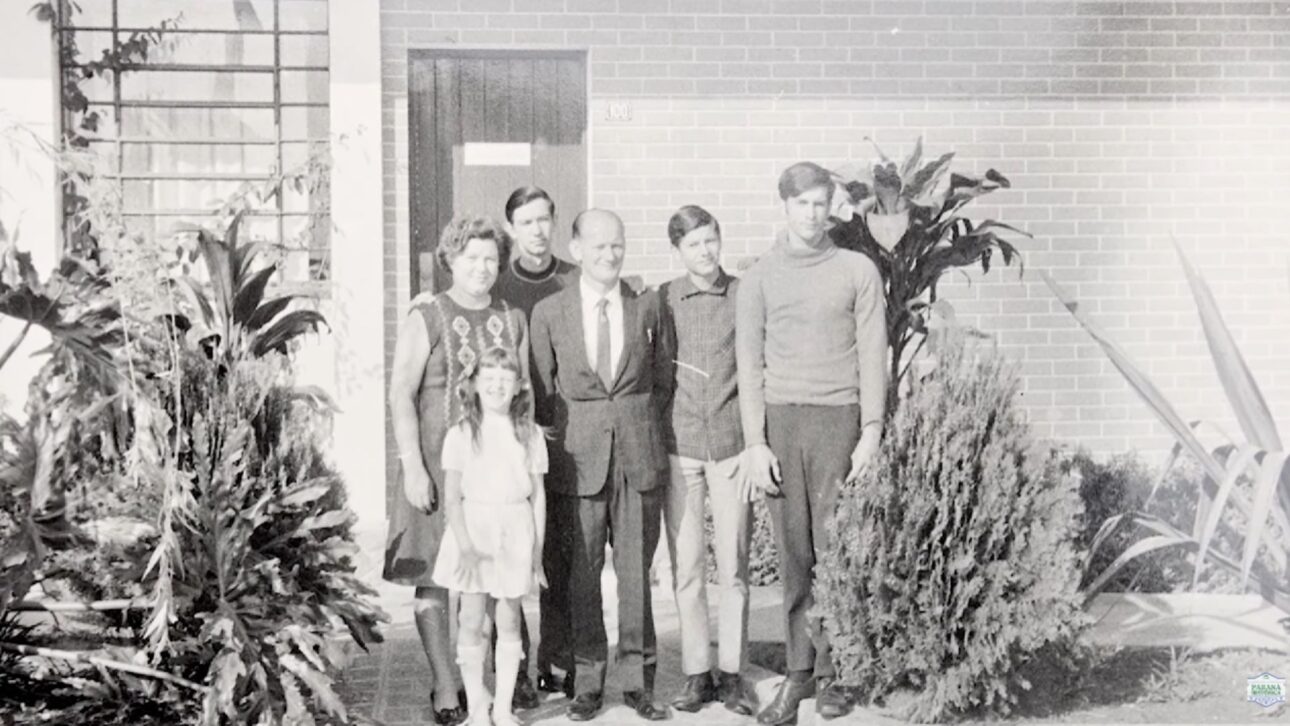
Efried Wagner and Maria Unger were descendants of German immigrants and lived in Curitiba at the end of the 1950s. To supplement their families’ income, the two couples began producing snacks artisanally in a home oven and selling them door-to-door. What they created was Elma Chips, bought by Pepsi in 1974 and today a national reference in snacks, according to the web series Pioneers of the Industry of Paraná.
There was no factory, no investor partner, and no business plan. There was a home oven, a pretzel recipe brought from German tradition, wheat flour, water, coarse salt, and the need to supplement the income of two families. Efried Wagner and Maria Unger were sisters, descendants of German immigrants who had recently arrived in Brazil, and lived in the Bom Retiro neighborhood in Curitiba at the end of the 1950s. The husbands, Eugene Wagner and Victor Unger, also of German origin, participated in the operation. The snack that the four produced artisanally began being sold door-to-door and in markets in the capital of Paraná, including Mercadorama, which at the time was one of the main supermarkets in Curitiba, as narrated by the web series Pioneers of the Industry of Paraná in an episode dedicated to the brand’s history.
More than six decades after that home oven in Bom Retiro, the snack that the sisters created became Elma Chips, one of the largest snack brands in Brazil. In 1974, according to the web series, Pepsi acquired the company. Still according to the channel Pioneers of the Industry of Paraná, the main historical factory of the brand remains in Curitiba, in the Industrial City, accounting for about 30% of all national snack production of PepsiCo in the country and generating approximately 1,000 direct jobs. The snack that was born to pay the bills of two immigrant couples in Curitiba has become part of the emotional memory of entire generations of Brazilians.
The snack that came from Germany and conquered Brazil
According to the web series Pioneers of the Industry of Paraná, it may have been sent by a relative of the sisters who worked in a snack factory in Germany. The base was the tradition of the pretzel, a typical salty bread from the southern German region, adapted to the domestic oven available in the Bom Retiro neighborhood. The product made with wheat flour, water, and coarse salt reportedly won over Curitiba consumers quickly, according to the web series account.
-
Son of Poor Farmers Fled Home Four Times Seeking Work, Founded Hyundai, and Transformed It into a Global Industrial Giant in Over 190 Countries

-
13-Year-Old Raises Funds to Build Well, Transforming Lives in Cambodian Community Lacking Clean Water

-
Man with Metal Detector Finds Medieval Silver Seal in England, Uncovers 2,000-Year-Old Roman Gem with ‘Richard’s Secret’

-
Thailand Converts 8 Tons of PET Bottles into 3,500 School Backpacks, Showcasing Circular Economy with Over 40 Factories Involved





In 1962, according to the channel Pioneers of the Industry of Paraná, the two couples inaugurated the Elma Bakery and Confectionery in the Xim neighborhood. The company’s name came from the combination of the sisters’ initials: El from Efried, Ma from Maria. It was during this period that Sticks was born, the crunchy stick covered with coarse salt still sold today in green packages. The web series reports that Sticks reached a production of about 40 tons per year, with distribution beyond Paraná, reaching Santa Catarina, São Paulo, and Rio de Janeiro. These production volume data come exclusively from the web series and have not been verified in primary sources or official company records.
The 450 m² warehouse and the growth recorded by the web series
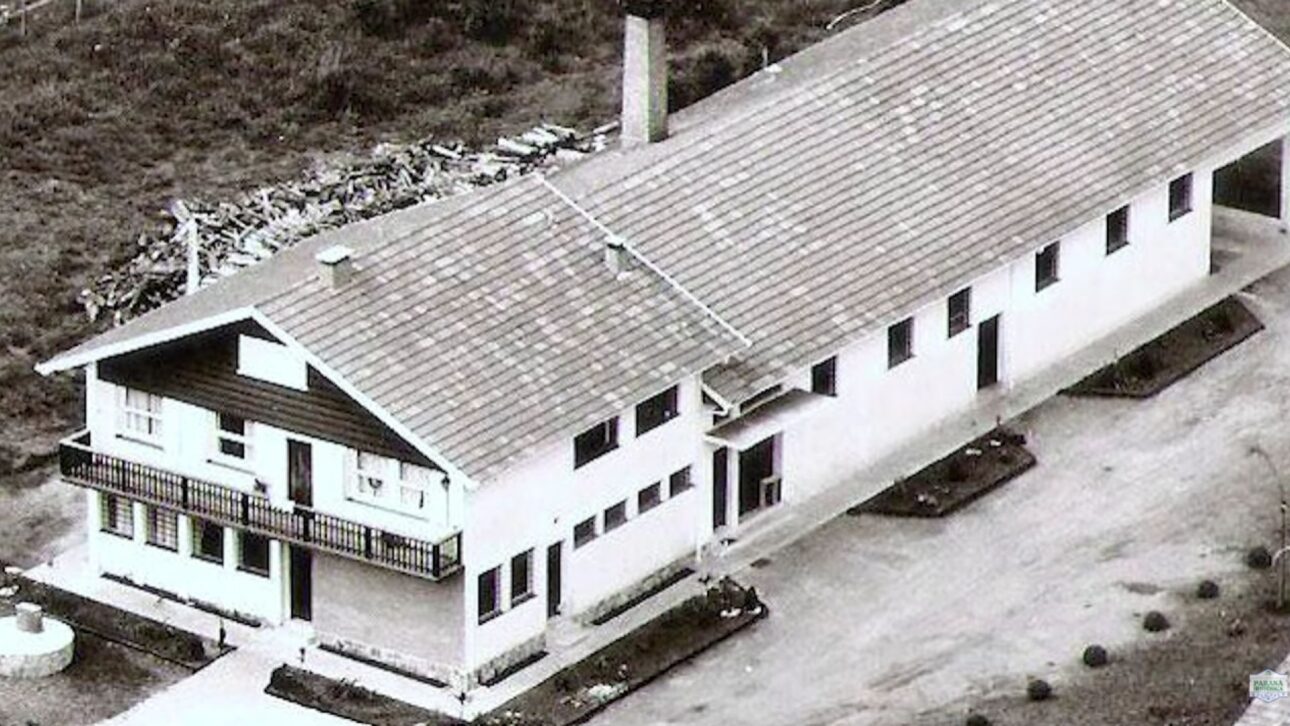
The new unit would have allowed for increased capacity and to meet the growing demand from other states. In the early 1970s, still according to the channel, the then-called Elma Food Products would have reached a production of about 200 tons per year of snacks and started distributing to all the states in the South region and to the Rio-São Paulo axis.
It was also in this phase that the company would have launched Pingo Douro, described by the channel as one of the brand’s first packaged snacks, which quickly gained popularity. All these data on volume, chronology, and geographical scope are provided by the web series Pioneers of the Industry of Paraná and have not been independently verified in this article. The web series does not identify in the video the documentary sources consulted to support this information.
Pepsi enters the game and creates Elma Chips in 1974
In 1973, according to the web series, PepsiCo initiated an expansion plan in Brazil aimed at the snack market, analyzing Brazilian manufacturers with growth potential. Among the selected companies were Elma Produtos Alimentícios from Curitiba and Indústria e Comércio American Potato Chips Limitada, a São Paulo-based manufacturer located in the Ipiranga neighborhood, specializing in potato chips. In 1974, still according to the Pioneiros da Indústria do Paraná channel, Pepsi acquired and unified the two companies, officially creating Elma Chips.
The merger between the Paraná and São Paulo companies gave the new brand the combination of tradition in artisanal snacks with industrial capacity in potato chips. Also in 1974, according to the web series, Baconzitos was launched. In 1976, Cheetos arrived. These product launch dates come exclusively from the narrative of the Pioneiros da Indústria do Paraná web series. For more rigorous verification, launch dates should be confirmed in journalistic archives of the time, company records, or industry publications.
The 1980s: catalog expansion and collectible stickers
As narrated by the Pioneiros da Indústria do Paraná web series, the Elma Chips catalog grew throughout the 1970s and 1980s with the launch of several products: Cebolitos in 1978, Fandangos in 1980, Zambinos in 1982, Doritos in 1985, and Ruffles in 1986. All these launch dates were taken from the channel’s narrative. At the same time, according to the web series, the factory was moved to the Industrial City of Curitiba, ending operations in the Boqueirão neighborhood warehouse.
Still in the 1980s, Elma Chips began to include collectible stickers in snack packages. According to the Pioneiros da Indústria do Paraná channel, the collections included: Show de Esportes in 1982, Rock em Elma Chips and Sam at the Los Angeles Olympics in 1984, Guerra no Espaço in 1985, Snoopy at the World Cup in 1986, Thundercats in 1987, Garfield in 1988, and Turma da Mônica in 1989. The strategy of placing a sticker inside the snack transformed the purchase of a package into an experience that went beyond the consumption of the product itself.
The Tazos of the 1990s: the snack that became a craze in schools
According to the Pioneiros da Indústria do Paraná web series, in 1997 Elma Chips launched the Tasomania promotion: inside each snack package came a tazo, a small collectible plastic disc that quickly became a craze among children and teenagers throughout Brazil. The channel describes the first collection as featuring Looney Tunes characters, composed of 80 different models, and states that the success of the tazos was one of the most remarkable consumption phenomena of the 1990s in Brazil.
Over the following years, still according to the web series, Elma Chips launched collections of Animaniacs, Tiny Toons, The Mask, Pokémon, SpongeBob, and Yu-Gi-Oh, among others. The characterization of these tazos as a generational phenomenon is widely recognized by those who lived through the 1990s in Brazil, and the launch of the Tasomania promotion in 1997 has independent journalistic records in media from that time. In Brazilian schools in the 1990s, having rare tazos from your favorite snack was a matter of social prestige.
The Yellow Kombis and the Brand’s Presence on the Streets
Another element of Elma Chips’ history narrated by the channel Pioneiros da Indústria do Paraná was the itinerant Kombis with the brand’s visual identity, in yellow and red, that circulated through different cities in Brazil in the 1990s. According to the web series, these vehicles functioned as points of sale and distribution of snacks and were associated with the company’s promotional campaigns, distributing gifts, stickers, and collectible items.
This memory of Elma Chips’ Kombis is shared by many Brazilians who grew up during that period and is recorded in popular accounts, although specific journalistic documentation about the operation of the Kombis has not been independently verified in this article. The Elma Chips Kombi was as associated with the product as the package itself: seeing the yellow van on the street was a promise of snacks and promotions.
The Curitiba Factory According to the Data from the Channel Pioneiros do Paraná
According to the web series Pioneiros da Indústria do Paraná, the factory in the Industrial City of Curitiba is the oldest PepsiCo unit in operation in Brazil, accounting for about 30% of the company’s total national snack production and generating approximately 1,000 direct jobs. These percentages and employment numbers have not been verified in official PepsiCo statements or publications with audited data. From the Paraná unit, still according to the channel, products such as Doritos, Cheetos, Cebolitos, Fandangos, Ruffles, Sticks, and Pop Corners, a corn-based snack described as launched nationally in 2024, are produced.
The web series also mentions that the production of the Curitiba factory drives a chain of suppliers from Paraná, especially corn and potato producers. This contextual data is plausible given the industrial profile of the region, but it has also not been independently verified. The story that two sisters from a German immigrant family in Curitiba in the late 1950s gave rise to one of the largest snack brands in Brazil is impressive enough not to need exaggeration, which is why the chain of attribution needs to be clear: the details come from a historical dissemination web series, not from verified primary documentation.
Do you remember Tazos? The stickers that came inside the Fandangos package? The smell of freshly opened Baconzitos? The history of Elma Chips began in a home oven in Curitiba, passed into the hands of Pepsi in 1974, and still today is part of the daily life of millions of Brazilians. Which product marked your generation? Tell us in the comments.