






 Portuguese
  Spanish


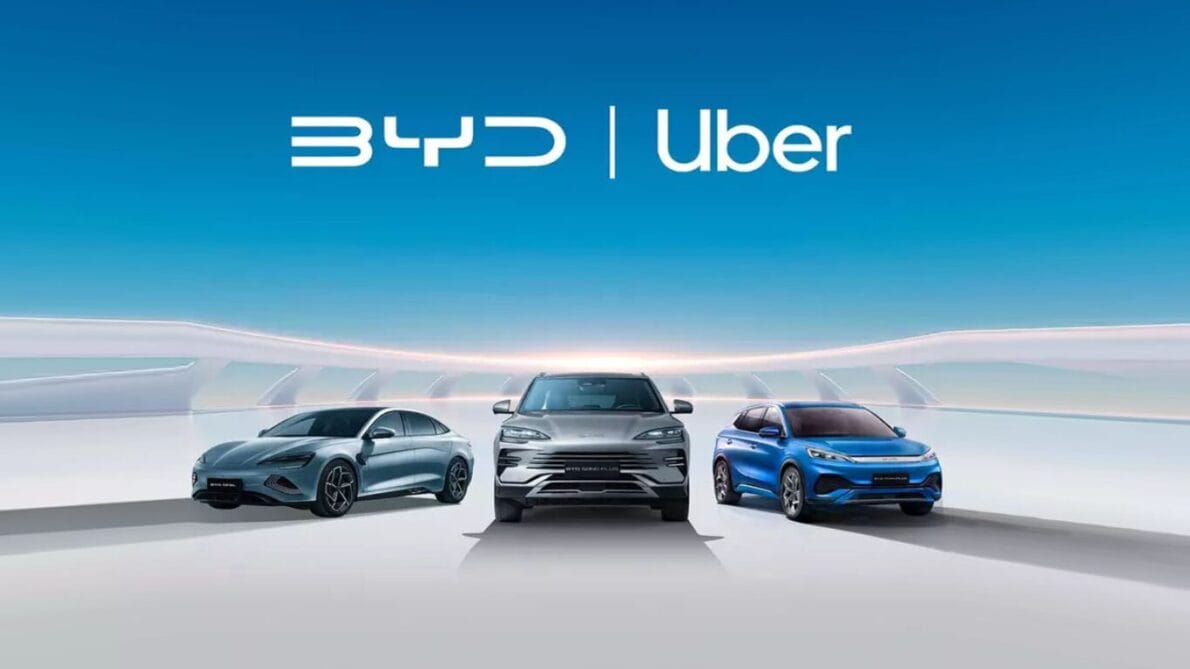

Global Partnership Involves 100 Thousand Electric Cars, Beginning in Europe and Latin America, with Benefits for Drivers and the Environment
Uber Technologies and the Chinese automaker BYD have formed a global partnership that promises to transform app-based transportation. With 100 thousand electric cars, this strategic alliance will start in Europe and Latin America, and will later expand to the Middle East, Canada, Australia, and New Zealand. The collaboration aims to offer affordable prices and easy financing for Uber drivers, in addition to other benefits that make this partnership a significant milestone in the adoption of electric vehicles, according to infomoney.
Start of the Partnership and Global Expansion
The collaboration between Uber and BYD begins with the provision of 100 thousand electric vehicles for drivers in Europe and Latin America. Aiming to increase the adoption of electric vehicles, the companies will offer competitive prices and attractive financing conditions. Furthermore, the partnership includes discounts on maintenance, charging, and vehicle leasing, varying according to the market. The expansion to other regions, such as the Middle East, Canada, Australia, and New Zealand, is already on the horizon, showcasing the global ambition of the two giants.
Benefits for Drivers and the Environment
Uber and BYD are not only facilitating the transition to electric vehicles but also offering a range of additional advantages. “When a driver switches to an electric vehicle, they can provide up to four times more benefits in terms of emissions than a regular driver, simply because they are on the road longer,” highlighted Dara Khosrowshahi, CEO of Uber. Additionally, drivers will be able to enjoy discounts on maintenance and charging, making the experience even more economical and sustainable.
-
End of an era in Brazil: beloved sedan by Brazilians is discontinued despite having a 2.0 engine with 151 hp, CVT transmission, 466-liter trunk, and up to 650 km of range.

-
New Law Proposal in Brazil Could Heavily Penalize Drivers: Dangerous Overtaking May Become a Serious Offense with Fines Increased Tenfold and a 12-Month License Suspension; Update on 2026 Progress

-
Electric Revolution: Watts W125 Motorcycle Offers 160 km Range, 90 km/h Speed, and Affordable Price Starting at $3,000
-
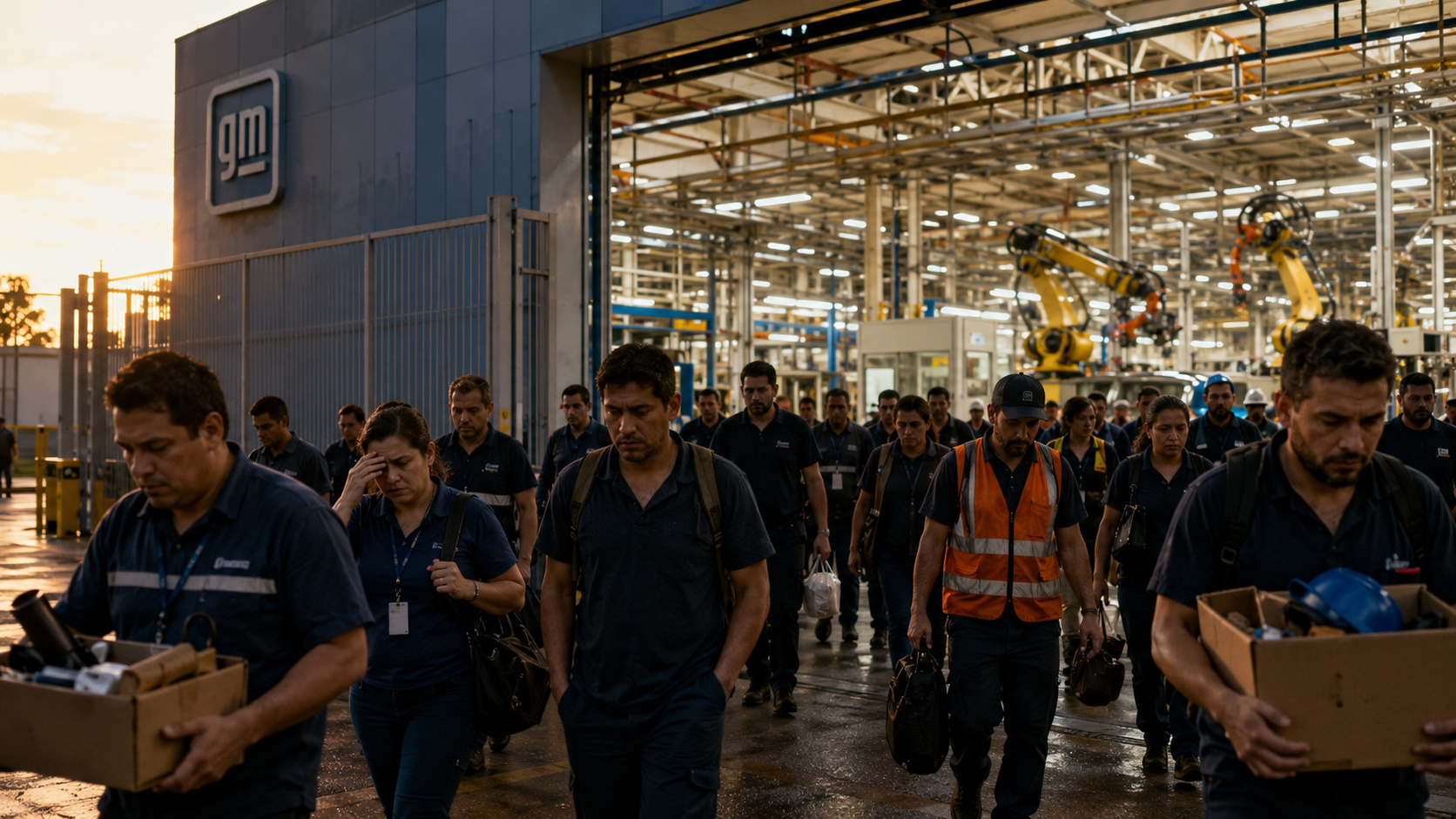
General Motors Replaces Over a Thousand Workers with 50 Cobots at Electric Vehicle Plant, UAW Union Criticizes Move Amid Industry’s Automation Push


Partnership in Brazil and Rivalry with 99
As Uber and BYD join forces globally, in Brazil, BYD already has a partnership with 99, one of Uber’s main rivals in the app-based transportation market. This collaboration with 99 also aims to promote the adoption of electric vehicles in the country, reinforcing BYD’s commitment to boosting sustainable mobility across different platforms. The rivalry between Uber and 99 is expected to intensify as both companies seek to lead the transition to electric fleets.
Future of Electric Vehicles and Autonomous Driving
In addition to the initial offering of electric vehicles, Uber and BYD will work together to integrate autonomous driving technologies. This innovation could redefine the future of app-based transportation, enhancing the efficiency and safety of rides. The partnership between Uber and BYD, combining electric vehicles with cutting-edge technology, represents a significant step toward a more sustainable and technologically advanced future.
With this partnership, Uber and BYD not only strengthen their positions in the electric vehicle market but also promote a significant shift in how we think about and use transportation. Drivers, passengers, and the environment all benefit from this strategic collaboration, which promises to revolutionize the urban mobility sector.







eu quero um carro elétrico
Acredito que inicialmente, a mudança para frota elétrica seria um bom negócio, porém vemos aí nessa notícia que também há interesse de instalar frota autônoma, e o que seria isso? Carros que não precisam de motoristas para conduzilo, o que nos deixaria de fora deste negócio e faria apenas a Uber e a BYD faturando.
Hahaha. Que piada. Mesmo com essa ajuda a conta não fecha. Os valores pagos aos motoristas continuam irrisórios e não valem o investimento num carro caro e que em pouco tempo ficará obsoleto (isso mesmo, a bateria do carro tem vida útil e quando tiver que trocar, é o preço do carro novo), daí o motorista vai ficar sem carro e pagando o antigo ainda. Notícia pura propaganda.