






 Portuguese
  Spanish
 5 min of reading
  0 comments


Uberaba Advances in Minas Gerais with Green Hydrogen and Biogas Projects, Promoting Sustainability, Job Creation, and Decarbonization of Local Agribusiness
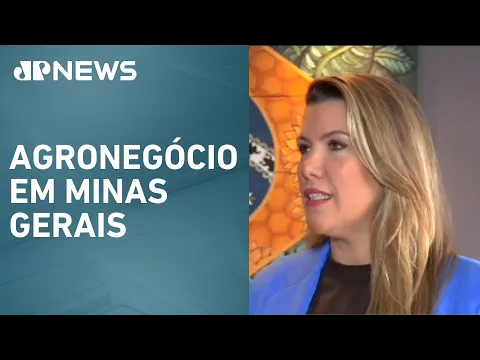
The city of Uberaba, in the Triângulo Mineiro, is taking a decisive step towards energy transition in Minas Gerais, according to a report published by Estado de Minas this Sunday (2). Mayor Elisa Araújo highlighted during an interview that the municipality wants to become a national reference in the production of green hydrogen, biogas, and sustainable practices, aiming to decarbonize agribusiness and generate quality jobs.
Uberaba and Minas Gerais: A Strategic Alliance for Energy Transition
According to the manager, Uberaba has already attracted one of the largest investments in clean energy in the country, with an estimated R$ 7.8 billion allocated for the installation of a green hydrogen and ammonia industrial plant. The project promises to generate more than 1,000 direct jobs, strengthening the local economy and positioning the municipality as a leader in the new energy matrix of Minas Gerais.
Uberaba’s sustainable development plan is aligned with the environmental goals of Minas Gerais, which seeks to increase the participation of clean energy in the state matrix and become a national reference in energy innovation.
-
Brazilian scientists are simultaneously advancing two research projects on clean hydrogen and driving solutions that could transform the energy matrix, enhance industrial competitiveness, and accelerate large-scale emission reduction targets.

-
Advancement in renewable energy: A R$ 150 million project launched by Petrobras and Finep aims to create state-of-the-art electrolyzers for green hydrogen, strengthening national research and preparing Brazil to compete in a billion-dollar energy market.
-
Illiterate or semi-literate grandmothers were trained to repair solar systems, open rural workshops, and light up homes that still depended on kerosene.
-
The world has bet on green hydrogen as the fuel of the future, but now faces the side effect: producing 1 kilogram requires about 9 liters of ultrapure water, and the largest projects on the planet are precisely in the driest regions of the Earth, where water is already scarce for people.





The state government has been signing agreements with national and international companies for the implementation of green hydrogen and biofuels projects, with Uberaba standing out as one of the main hubs of this movement.
With an industrial base that exceeds 200 established companies, Uberaba already has the appropriate infrastructure to receive large-scale investments, in addition to housing universities and research centers that collaborate with technological advancements in the region.
Green Hydrogen Drives Energy Transition in Uberaba
Green hydrogen is considered the fuel of the future because it is obtained from the electrolysis of water using renewable energy, without carbon dioxide emissions. This technology is essential to reduce dependence on fossil fuels and accelerate the energy transition.
According to the government of Minas, the plant planned for Uberaba will have two phases: a pilot unit by 2027, with an initial capacity of 20 megawatts, and a full commercial plant by 2030, with a capacity exceeding 820 megawatts. The total investment amounts to R$ 7.8 billion, positioning it as one of the largest hydrogen projects in the country.
In addition to hydrogen production, the plant will produce green ammonia, used in the chemical industry and agribusiness, which reinforces the productive vocation of the municipality. This integration between clean energy and agribusiness will significantly reduce carbon emissions in the sector.
Uberaba will be an example of how the countryside can lead energy innovation in Brazil, stated the mayor. The project promises not only to reduce emissions but also to stimulate the regional economy with new opportunities in technology, engineering, maintenance, and transportation.
Sustainability and Economic Development: Pillars of the New Energy Model
Sustainability is the central focus of the public policy that Uberaba has been adopting. The objective is to balance economic growth and environmental preservation, creating jobs and improving the quality of life for the population.
Mayor Elisa Araújo emphasized that sustainability is no longer just an environmental goal, but an economic strategy to ensure the city’s future. The municipality aims to attract companies committed to green practices and that promote technological innovation, reducing dependence on fossil resources.
Furthermore, the green hydrogen project will stimulate complementary productive chains, such as industrial maintenance, metallurgy, fine chemistry, and specialized services. With this, the municipality becomes an attractive hub for companies that want to invest in clean technology and circular economy.
Biogas and Sustainable Pipeline Can Broaden Energy Transition
Another essential pillar of Uberaba’s plan is biogas, a renewable fuel obtained through the decomposition of organic and agricultural waste. The production of this gas represents an opportunity to reduce pollution and transform waste into clean energy.
The city is advancing in the implementation of a regional pipeline that will connect Uberaba, Uberlândia, and Araxá, allowing the transport of biogas and strengthening the energy infrastructure of the Triângulo Mineiro. The project also benefits agribusiness, the main economic driver of the region, by providing a cheaper and more sustainable source of energy.
With the use of biogas, it will be possible to gradually replace fossil-based natural gas, reducing costs and greenhouse gas emissions. This initiative directly contributes to the commitments of Minas Gerais to achieve carbon neutrality by 2050, a goal aligned with the Paris Agreement.
According to data from the Brazilian Association of Biogas and Biometano (ABiogás), Brazil has the potential to produce up to 120 million cubic meters per day of biogas, enough to replace about 70% of the national diesel consumption. Uberaba, with its strong agro-industrial base, is positioned to take advantage of this expanding market.
Challenges, Opportunities, and Next Steps for Uberaba
Despite the excitement around green hydrogen and biogas, the projects still face significant challenges. The main one is the production cost, which remains higher than that of fossil fuels. Economic viability depends on tax incentives, technological advancements, and production scale.
Another critical point is the need for adequate infrastructure. To establish itself as a clean energy hub, Uberaba needs to expand its electrical capacity, invest in storage, and improve the logistics of transporting inputs and products.
Regulation is also an obstacle. Brazil is still in the process of defining the legal framework for green hydrogen and expanding specific regulations for biogas. These measures are essential to ensure legal security for investors and accelerate the implementation of projects.
Even with the challenges, experts and authorities see more opportunities than risks. The increasing global pressure for decarbonization and energy transition policies open space for medium-sized cities like Uberaba to gain national and international relevance.

Uberaba and the Energy Future of Brazil
The initiative by Uberaba represents a profound transformation in the energy landscape of Minas Gerais and Brazil. By investing in green hydrogen, biogas, and sustainability, the municipality shows that it is possible to align economic progress, innovation, and environmental responsibility.
The billion-dollar investment, combined with job creation and partnerships with research institutions, transforms Uberaba into a model of a smart city committed to the future. This structural change positions the region as a reference in energy transition, demonstrating that sustainable development can be led in a decentralized manner.
More than just a local project, the movement in Uberaba reflects a global trend: the strengthening of regional hubs capable of generating clean energy, reducing environmental impacts, and boosting technology-based economies.
With strategic vision, public engagement, and private investment, Uberaba emerges as a symbol of energy transition in Minas Gerais — and as an example that Brazil’s sustainable future can be born in the countryside.




Be the first to react!