Portuguese
  Spanish


Ufam Seeks to Lead Energy Transition in the Amazon Through Innovation, Training, and Partnerships for a Sustainable and Just Future in Northern Brazil.
In recent years, the need to transform the global energy model has gained prominence due to various environmental, social, and economic challenges.
Thus, the energy transition, which consists of the gradual process of replacing traditional energy sources such as oil and coal with cleaner and renewable sources like solar, wind, and bioenergy, has become a global priority.
Therefore, it is in this context that the Federal University of Amazonas (Ufam) takes on a fundamental role by launching the Center for Innovation, Entrepreneurship, and Leadership for Energy Transition (Nielte), with the clear objective of leading this transformation in the Amazon and the Northern region of Brazil.
-
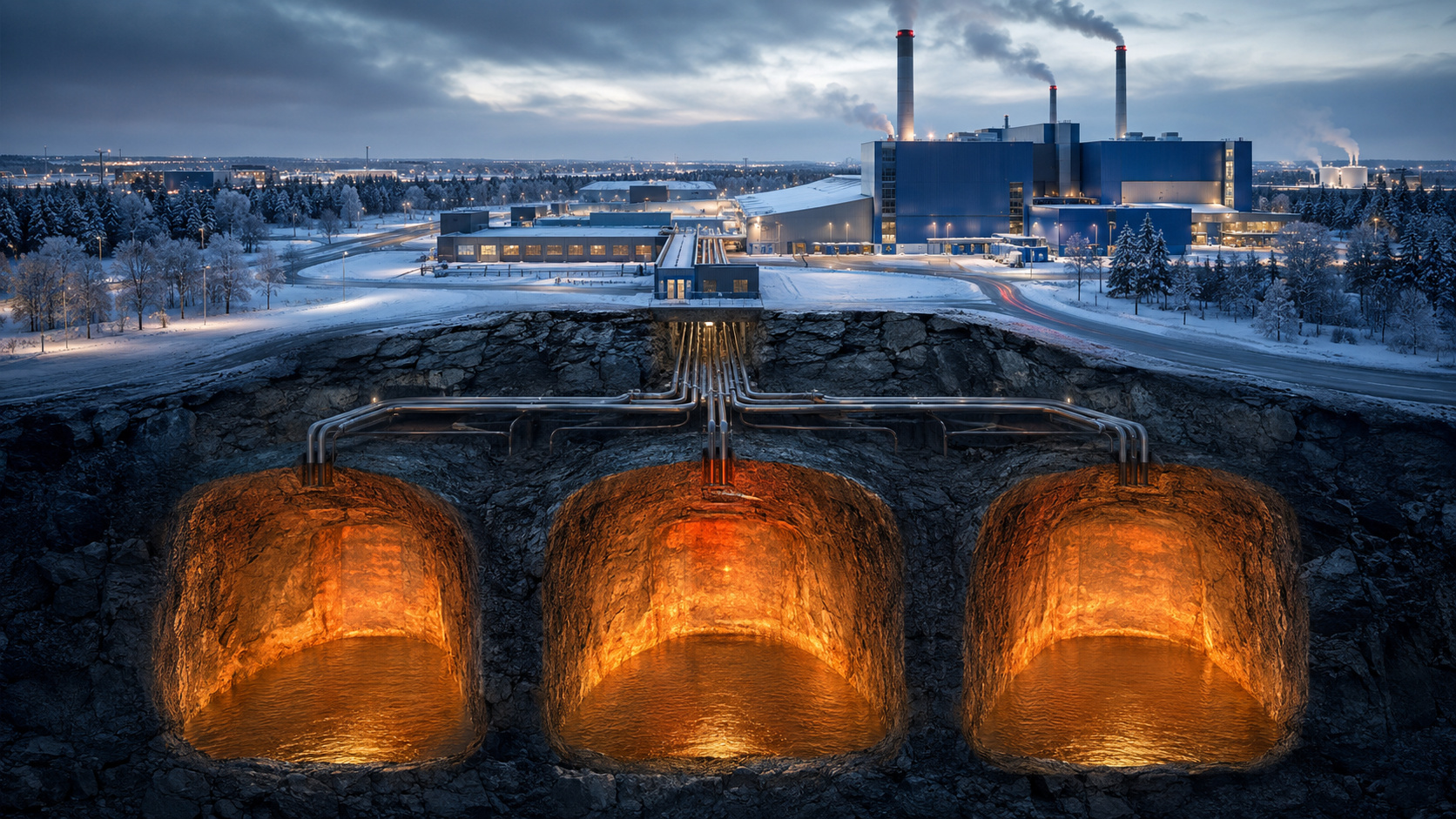
California Project Aims to Store Heat Underground in Former Oil Reservoir to Generate 100 kW of Electricity for Over 12 Hours

-
French Port Harnesses Industrial Waste Heat to Power Up to 30,000 Homes
-
Belgian Port to Install Shore Power for Cruise Ships by 2027, Cutting Dock Emissions by Up to 5% and Meeting EU Regulations
-
Canadian Project Converts Hot Water from Mature Oil Fields into Electricity, Repurposing Existing Wells and Infrastructure




Moreover, the trajectory of the energy transition is directly linked to technological advances and the growing concern with sustainability.
Since the oil crisis in the 1970s, the world has increasingly sought alternatives to reduce dependence on fossil fuels, which are finite and cause serious environmental impacts, such as greenhouse gas emissions.
Therefore, in recent years, with the rise in awareness about global warming and the urgency to meet international agreements such as the Paris Agreement, the energy transition has gained even more momentum.
In Brazil, this change is especially important due to the vast biodiversity and enormous potential for renewable sources, which, in turn, can generate sustainable development alongside environmental preservation.
However, the challenge becomes even greater in the Amazon region, which has unique characteristics and a complex relationship between development and conservation.
Thus, to ensure that progress does not compromise the forest or traditional populations, leaders and institutions must deeply understand the local context.
This understanding is what the Nielte promotes, combining science, technology, and social responsibility.
Multidisciplinary Center for Amazon Challenges
In this scenario, Ufam decided to create a center dedicated to promoting innovation and training leaders capable of leading the energy transition in the Amazon.
In fact, the Center for Innovation, Entrepreneurship, and Leadership for Energy Transition was recently launched and is based at the Faculty of Technology.
Thus, leading the energy transition involves more than developing technologies.
Indeed, it is necessary to understand the specificities of the Amazon region, where sustainable use of natural resources must prevail to avoid negative impacts on the environment and local communities.
Therefore, Nielte develops projects that involve bioenergy, river exploitation, and solar energy in hybrid systems, in addition to creating alternative biofuels such as alcohol derived from cassava, which replaces fossil fuels in a cleaner and more sustainable manner.
Hence, the center invests in innovation to deliver concrete solutions involving goods, services, and public policies, always focused on entrepreneurship for society.
Moreover, the approach between academia, the productive sector, and government agencies reinforces the importance of collaborative governance to expand the positive impact of actions.
Another fundamental aspect of the center’s work is applied research, which seeks not only to create new technologies but also to adapt them to local conditions.
For example, this includes developing distributed generation systems capable of functioning in isolated communities where the conventional electricity grid is limited or non-existent.
Thus, the use of biodigesters to convert organic waste into energy and the integration of renewable sources into hybrid solutions exemplify how Nielte contributes to sustainable energy development, aligned with the needs of the Amazon.
Training Leaders for a Sustainable Future
In addition to developing research and projects, the center strongly invests in the training of qualified professionals to work in the energy sector.
Thus, the creation of the Energy Engineering course, scheduled to start in 2027, the offering of specializations in energy transition, and the implementation of master’s programs prepare a new generation of technical leaders and managers with in-depth knowledge of technologies and the social and environmental aspects related to the topic.
This ongoing and qualified training ensures that the energy transition is conducted in a fair, inclusive, and efficient manner.
Training also involves the development of socio-emotional skills such as collaborative leadership, ethics, and systemic vision.
Indeed, these aspects are essential for professionals to operate in a complex and dynamic scenario, interacting with different actors, communities, and economic sectors.
Thus, Nielte understands that training leaders capable of articulating technical knowledge with social responsibility represents one of the greatest challenges for the success of the energy transition in the region.
Another important aspect of the center’s work is scientific dissemination.
Through the publication of the Energy in the Amazon Journal, released semi-annually, the generated knowledge is disseminated, strengthening the network of researchers and broadening the public discussion on the region’s energy future.
At the same time, planning itinerant events in the Northern region promotes integration between academia, the productive sector, and public agents, creating a conducive environment for the exchange of experiences and the construction of collaborative solutions.
However, leading the energy transition also requires an ethical and responsible stance.
For this reason, the center establishes clear rules for researcher participation, aligned with a rigorous compliance policy.
This measure ensures that actions occur under a commitment to transparency and technical quality, which strengthens the credibility of the group and the results achieved.
Regional Impact and the Role of Ufam
Undoubtedly, the importance of Nielte goes beyond the university and the region where it is located.
In fact, in a rapidly advancing world transforming energy systems, the Amazon can stand out as a national and international reference in innovation, entrepreneurship, and leadership focused on sustainability.
This strategic position attracts investments, strengthens the local economy, and contributes to social development, all while respecting biodiversity and traditional communities.
Historically, the Northern region of Brazil has faced difficulties in keeping pace with the rapid technological and economic changes observed in other parts of the country.
In this sense, the creation of the center by Ufam represents an innovative initiative that seeks to reverse this reality, placing the region at the center of discussions about the energy future.
The joint action between universities, the private sector, and government constitutes a decisive step towards overcoming barriers and creating a favorable environment for sustainable growth.
Furthermore, it is important to emphasize that, beyond technological development, Nielte also encourages the creation of effective public policies that support the energy transition in the region.
Therefore, the dialogue between researchers and government officials strengthens the formulation of strategies that consider the specificities of the Amazon, ensuring that adopted measures are efficient and promote social justice.
The leadership role of Ufam in this process demonstrates that public universities play an essential role in leading the energy transition.
In fact, they function as centers of knowledge, training, and innovation capable of generating solutions aligned with regional and global needs.
By investing in applied research, technological development, and training, Ufam transforms environmental and social challenges into economic and human opportunities.
A Path Toward the Future of Energy in the Amazon to Lead Energy Transition
Therefore, in summary, the launch of the Center for Innovation, Entrepreneurship, and Leadership for Energy Transition marks an important moment for Ufam and the Amazon region.
With a multidisciplinary approach, focus on innovation, and commitment to training qualified professionals, the center is ready to lead the way toward a more sustainable, just, and prosperous energy future.
This initiative reinforces the importance of uniting academic knowledge, entrepreneurship, and public policies to address the challenges of the energy transition, ensuring that it is inclusive and adapted to the particularities of the Amazon.
The construction of this future depends on the ability to integrate knowledge, technologies, and actions, always valuing the balance between economic development and environmental preservation.
For this reason, Ufam, through Nielte, assumes the responsibility of leading this transformation, contributing to the Northern region of Brazil fulfilling its strategic role in the national and global energy matrix.
With the advancement of science and technology, coupled with the engagement of communities and support from institutions, the Amazon can become a model of sustainable development and energy innovation, demonstrating that it is possible to grow while respecting nature and promoting social inclusion.