Portuguese
  Spanish




Project in Kenya Transforms Tonnes of Plastic Waste and Thousands of Flip-Flops into Sailboat to Urge Governments, Expose Recycling Limits, and Demand Stricter Policies Against Disposable Items That Keep Reaching the Indian Ocean.
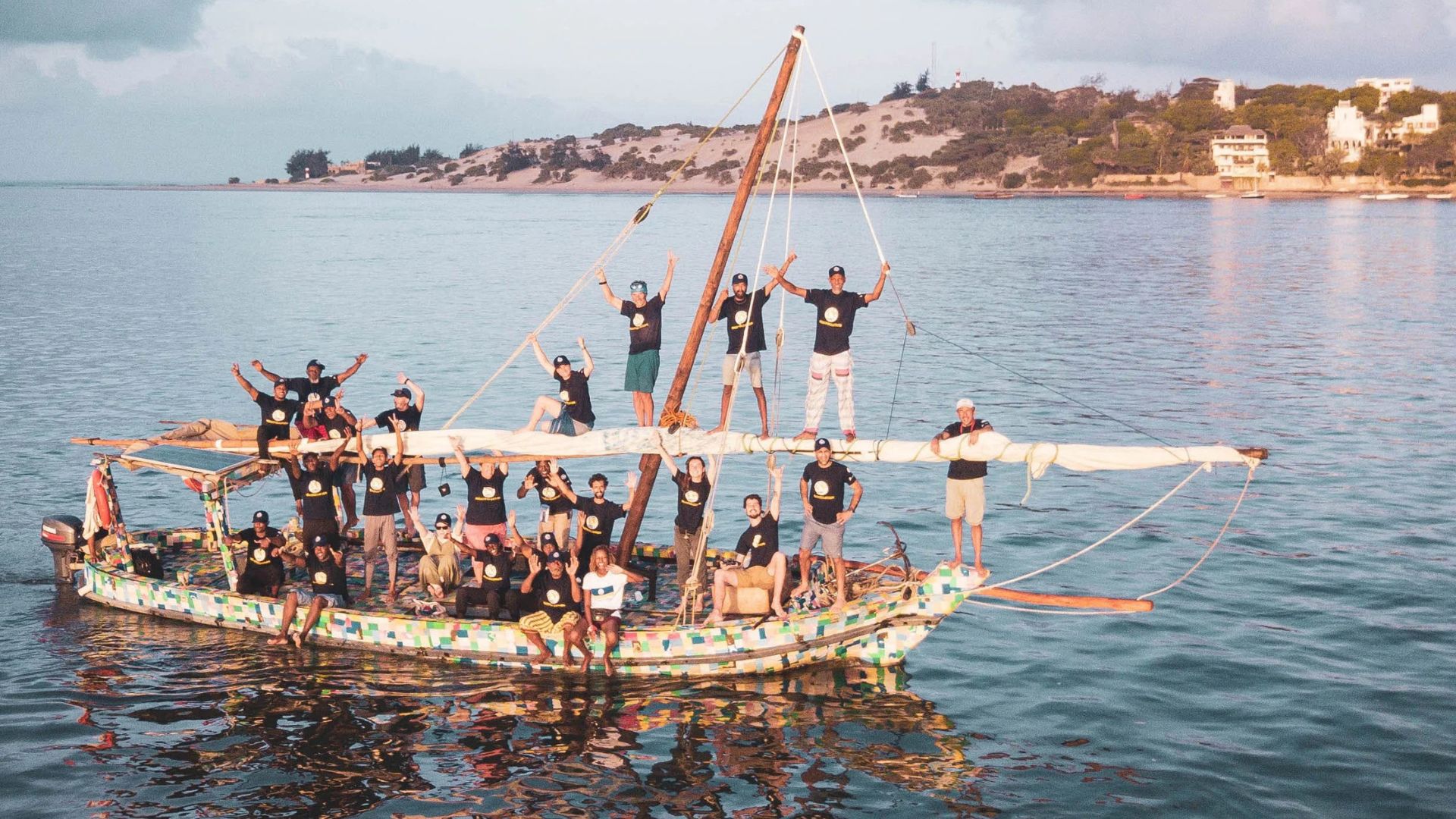
A sailboat inspired by traditional vessels along the Indian Ocean coast has become a mobile showcase for a global problem: part of the structure was made with discarded plastic collected along the Kenyan coastline, and the boat now sails to demand responses from authorities and companies.
The project, known as Flipflopi, has garnered attention for combining beach cleanup with a tangible and navigable outcome, rather than limiting its action to isolated awareness campaigns, according to reports from The Guardian and statements from organizations linked to the environmental agenda.
The numbers associated with the initiative vary depending on the source and the lens adopted, but they indicate a large operation: The Guardian describes a community effort that collected over 30 tonnes of waste and mentions over 200,000 flip-flops in the construction.
-
OnePlus N6 Smartphone to Launch in India with 8,000mAh Battery and 45W SuperVOOC Charging, Lasting Up to Three Days

-
Scientists Plan to Release Air Bubbles Underwater to Protect Antarctica’s “Doomsday Glacier” from Melting

-
Chinese R6000 Drone Combines Airplane and Helicopter Features, Carries Up to 12 People for Multiple Missions
-
In the World’s Most Densely Populated Desert, Families Dig Funnel-Shaped Underground Cisterns to Capture Rare Rainfall and Store Drinking Water for Up to Eight Months


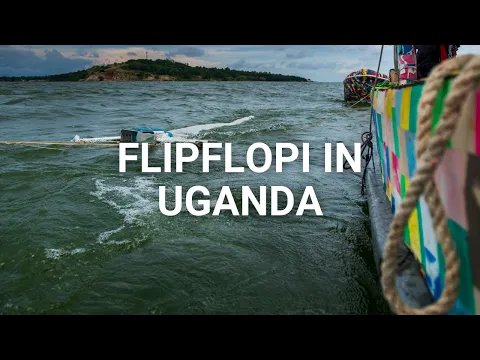
Meanwhile, materials from the United Nations Environment Programme highlight that the dhow is approximately nine to ten meters long and was built with around 10 tonnes of plastic, including about 30,000 reused flip-flops to form panels, in a kind of mosaic on the hull.
Recycled Plastic Boat Becomes a Symbol Against Disposables

The central idea of Flipflopi is not to sell the vessel as a solution to pollution, but rather to turn the problem into something impossible to ignore, using a culturally recognizable object to shift the debate from emergency cleanup to public decisions that cut waste at the source.
The starting point lies in the routine of beaches, mangroves, and areas near waterways that receive plastic pushed by wind, tides, and rain, especially where formal collection does not match consumption volume, and the waste reaches the sea in no time.
Flip-flops frequently appear in this scenario because they float, resist wear, and travel long distances, transforming a common item of daily life into persistent waste, with challenging reuse when mixed, deformed, or contaminated by salt and sand.
Cleaning Drives, Sorting, and Plastic Waste Processing
Behind the images of the completed boat lies a series of less visible tasks: mobilizing volunteers, planning collection routes, removing waste without degrading sensitive areas, transporting materials, and sorting and cleaning before sending part of the plastic for processing.

This type of preparation is crucial because contaminated or poorly sorted batches can render reuse unfeasible, as well as increase health risks for those handling the waste, which helps explain why a significant portion of what is collected does not become useful items.
In the version described by The Guardian, the construction involved melted and molded plastic to replace wood in structural components, in addition to the massive use of flip-flops as raw material, a strategy that sought to materialize the scale of the problem in an accessible visual language.
Limits of Recycling in the Face of Marine Pollution
By placing recycling at the center of the narrative, Flipflopi also exposes a practical limit: plastics degraded by sun and saltwater, or made from different layers and additives, often have more costly, complex recycling processes that are, in many cases, economically unfeasible.
In practice, the initiative uses the boat to raise a disturbing question that tends to be overlooked in campaigns: what happens to the volume that cannot become a panel, component, or feature, even after sorting and community effort to collect the material?

This friction between what can be recycled and what continues to be leftover also appears in the difference in numbers reported by different institutions, indicating that the data can vary depending on the stage considered, the selected batch, or the method of accounting for the material used.
Pressure for Public Policies and Producer Responsibility
Once completed, the dhow began operating as a mobile advocacy piece, docking at ports and crossing coastal stretches to sustain conversations about restrictions on disposables, waste collection infrastructure, and holding manufacturers and distributors accountable for waste management costs.
The expedition itself was presented as part of an agenda supported by international environmental programs, and the project’s website describes the mission of combating single-use plastics and pushing other types of plastics into a circular economy framework with greater control.
In the context of Kenya, the debate on disposables has already been marked by strict measures against plastic bags, with a national ban that came into effect on August 28, 2017, imposing heavy fines and even imprisonment for non-compliance.

Even so, the existence of a boat built from waste collected off the coast reinforces that legislating is not enough when trash crosses borders, when there are local collection failures, and when part of the material arrives via rivers and urban systems that cannot handle the daily volume.
Maritime Tradition Used to Broaden Environmental Debate
The impact of the narrative also comes from the deliberate contrast between tradition and fast consumption: the dhow, associated with trade and fishing on ancient Indian routes, reappears mounted with the material that symbolizes the disposable era, creating a visual shock that simplifies a technical subject.
This shifts the focus from solely the “before and after” of a cleanup drive to include regulations, enforcement, and investments that prevent the next rain from pushing a new wave of waste into estuaries, mangroves, and beaches, restarting the cleanup cycle.
If a boat made from discarded plastic can open doors for conversations about banning single-use items, producer responsibility, and improving collection efforts, how many coastal cities would be willing to transform this type of symbol into continuous pressure for concrete changes?