Portuguese
  Spanish


Chinese Automaker Invests in Automated Battery Swap Stations, Discounts, and Battery Subscription to Expand Service to Various Countries by 2025
While electric car drivers spend hours recharging, Nio bets on a different method: swapping the depleted battery for a fully charged one.
The operation takes place at Power Swap Stations, automated swap points that replace the battery in less than five minutes.
In addition to speed, the Chinese automaker offers substantial discounts for customers who adopt the service.
-
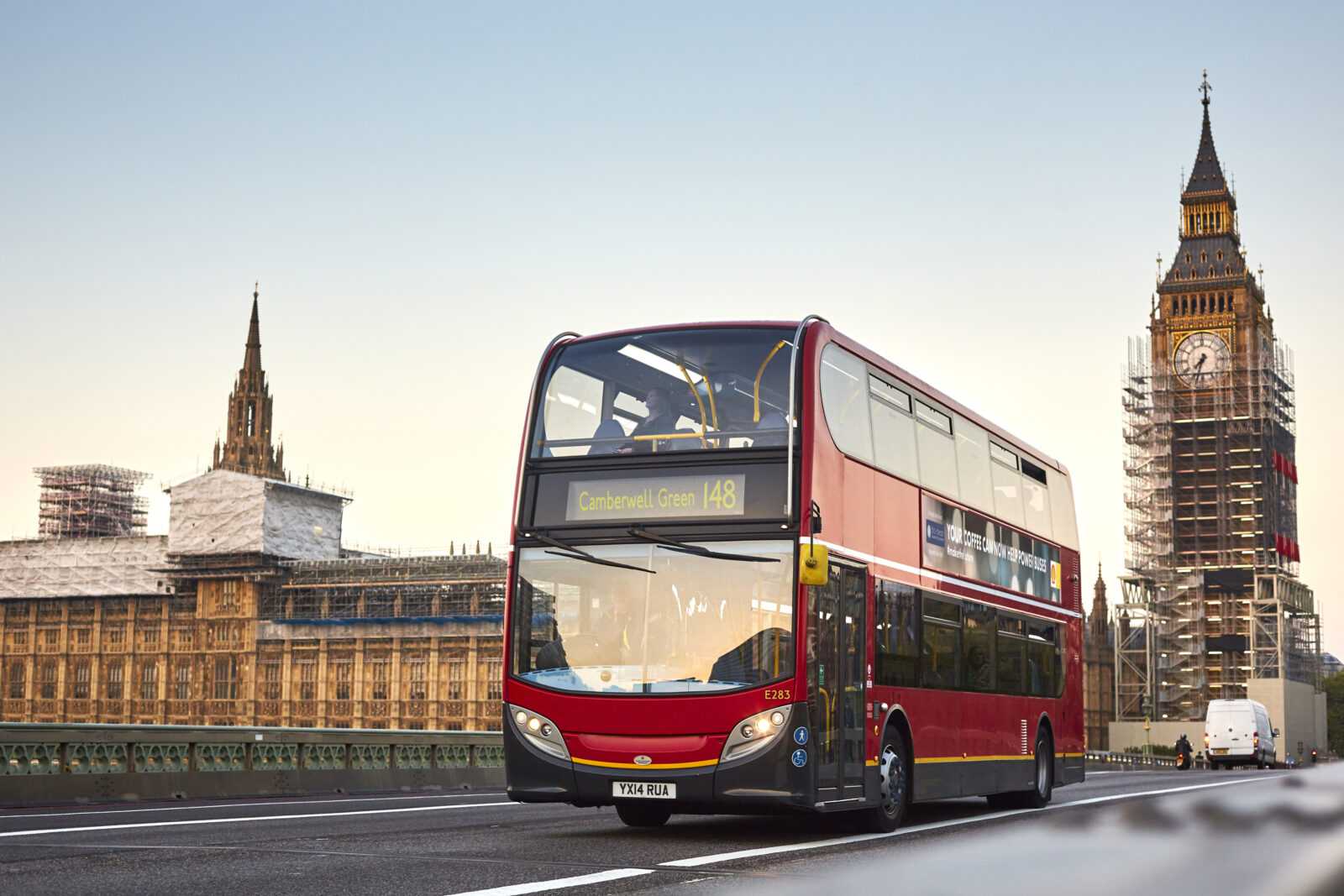
London buses run on biofuel made from coffee grounds, turning café waste into sustainable public transport fuel without engine modifications.

-
Major Automaker Considers Closing 4 Factories, Putting 45,000 Jobs at Risk Amid Chinese Competition in Brazil

-
Formula 1 Drivers to Swap Million-Dollar Cars for Lego Karts with 28,000 Pieces and Electric Motors at Silverstone, Reaching Speeds of 25 km/h

-
Children Turn $600,000 Ferrari into Slide, Sparking Legal Dispute in China After Video Surpasses 60 Million Views



In April of this year, Nio recorded 3,354 active stations, most of them in China. By the end of 2025, the goal is to reach a thousand units in countries like Norway, Germany, Sweden, and the United Arab Emirates.
Fourth Generation Technology
The stations began operating experimentally in 2018 and are already in their fourth generation.
Installations similar to containers allow for setup even in shopping mall parking lots. Upon arriving with a Nio vehicle, the multimedia system alerts the driver, who authorizes the start of the process.
Sensors from the car and the cabin communicate to position the vehicle accurately. Mechanical arms remove the depleted battery and install a charged one. The entire procedure is automatic.
Battery Subscription
Nio offers up to R$ 100,000 off the car purchase for those who choose the battery subscription.
In this format, the customer only acquires the vehicle. The battery remains the property of the automaker.
The owner can recharge via cable as normal, but to use the Power Swap Stations, they must pay around R$ 900 per month.
In case of resale, it is necessary to transfer the subscription or pay the difference of the discount received.
Constant Battery Maintenance
With each swap, Nio inspects all removed modules. Defective cells are replaced by robots, ensuring functionality equivalent to factory standards.
A study from the Singapore Management University indicates that the model is beneficial for everyone: more sales with lower prices and continuous revenue from subscriptions.
Energy Efficiency and Partnerships
In countries with high renewable energy generation, Nio optimizes the recharging of stored batteries during off-peak hours. An example is the nighttime period, when there is an excess of wind energy.
Additionally, Nio has partnered with CATL, the largest automotive battery manufacturer in the world. The goal is to standardize size and fit, allowing vehicles from different brands to use swap stations. Chery, Geely, and GAC are already developing compatible models.
New Charging Formats
Among the possibilities, Nio and CATL are exploring offering “additive electricity,” allowing consumers to pay according to range and charging time. This could cater to drivers in areas without stations.
According to CATL, the real cost of electricity could reach R$ 0.07 per kilometer. The expectation is that, by 2030, one-third of global recharges will be made through this technology.
With information from UOL.