Portuguese
  Spanish




International Study Reveals That Earth’s Oxygen Has an Expiration Date and Will Disappear in About One Billion Years, Completely Changing Life on the Planet
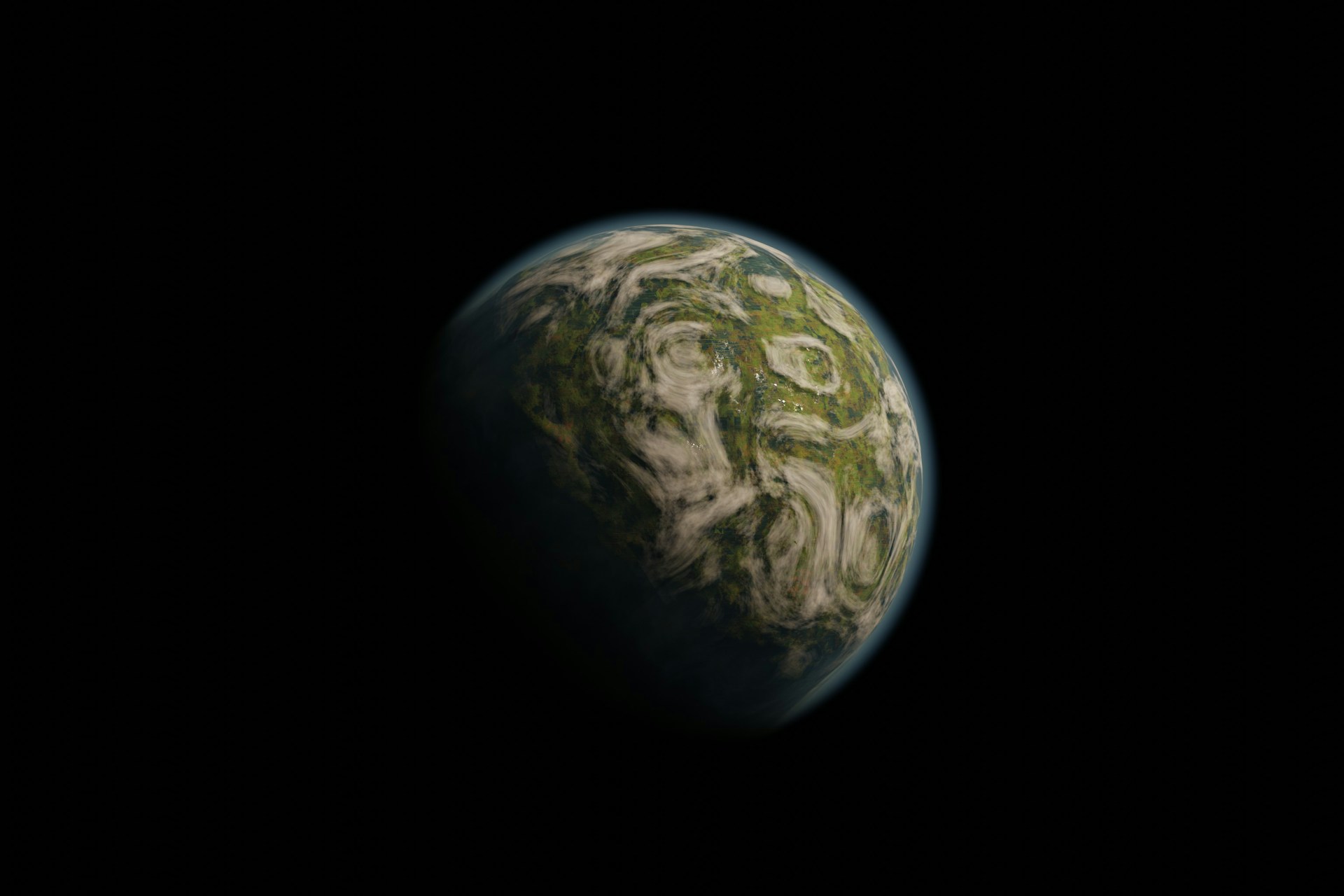
We can breathe easy, but not forever. An international study warns that the oxygen supporting complex life on Earth will not last indefinitely. According to scientists, our atmosphere rich in this essential gas is expected to last for about one billion more years before undergoing a radical transformation.
Drastic Deoxygenation in the Future
The research was published in the journal Nature Geoscience by a team of Japanese and American scientists. They conducted over 400,000 simulations on the geological and biological evolution of Earth.
The conclusion was clear: in about 1.08 billion years, the planet will undergo a rapid deoxygenation process.
-
The Trap of Modern Technology: How Screen Overload and Digital Connections Can Impact Your Mental Health and Well-being

-
Wyoming Couple Grows Tropical Fruits Year-Round in -40°C Using Geothermal Greenhouse, Demonstrating Earth’s Heat Can Produce Oranges and Lemons in Snow Without Traditional Heating

-
Ship Returns from Brazilian Coast with Thirty Newly Discovered Life Forms
-
Nigerian Professor Invents Electricity-Free Refrigerator Using Clay Pots and Wet Sand, Extending Shelf Life of Vegetables to 27 Days; 7,000 Units Distributed in Energy-Deprived Villages



This phenomenon will cause the atmosphere to revert to a state similar to that of the Archean Earth, approximately 2.5 billion years ago, when oxygen was virtually nonexistent.
The Sun Will Change Everything
Previous studies estimated that life on Earth would last another 2 billion years, until the Sun’s extreme heat evaporated the oceans. But the new model points to a different path.
With the increase of solar radiation, the carbonate and silicate cycles will be intensified. This will reduce the concentrations of carbon dioxide (CO₂), essential for photosynthesis. With less CO₂, plants and other photosynthetic organisms will disappear, taking down oxygen production as well.
The End of Complex Life
The direct consequence will be a sharp decline in oxygen levels. According to the model, only a millionth of the current oxygen will remain.
Complex life, as we know it, will not survive. Even before the oceans evaporate, multicellular organisms will cease to exist.
The planet will revert to hosting only anaerobic life forms — those that do not depend on oxygen to survive. It will be a profound change in the composition of the atmosphere and the predominant forms of life.
Importance for the Search for Life Beyond Earth
Even though this phenomenon is a long way off, the study has relevant implications for current science. The research was funded by NASA’s Nexus for Exoplanet System Science project and suggests that oxygen-rich atmospheres are not permanent in habitable worlds.
Today, oxygen and ozone — its byproduct — are used as primary signs in the search for life on other planets.
However, if Earth maintains oxygen for only 20% to 30% of its usable lifespan, planets similar to ours may be in phases with little or no oxygen. The search for extraterrestrial life may need to consider other biosignatures.
With information from Xataka.