






 Portuguese
  Spanish


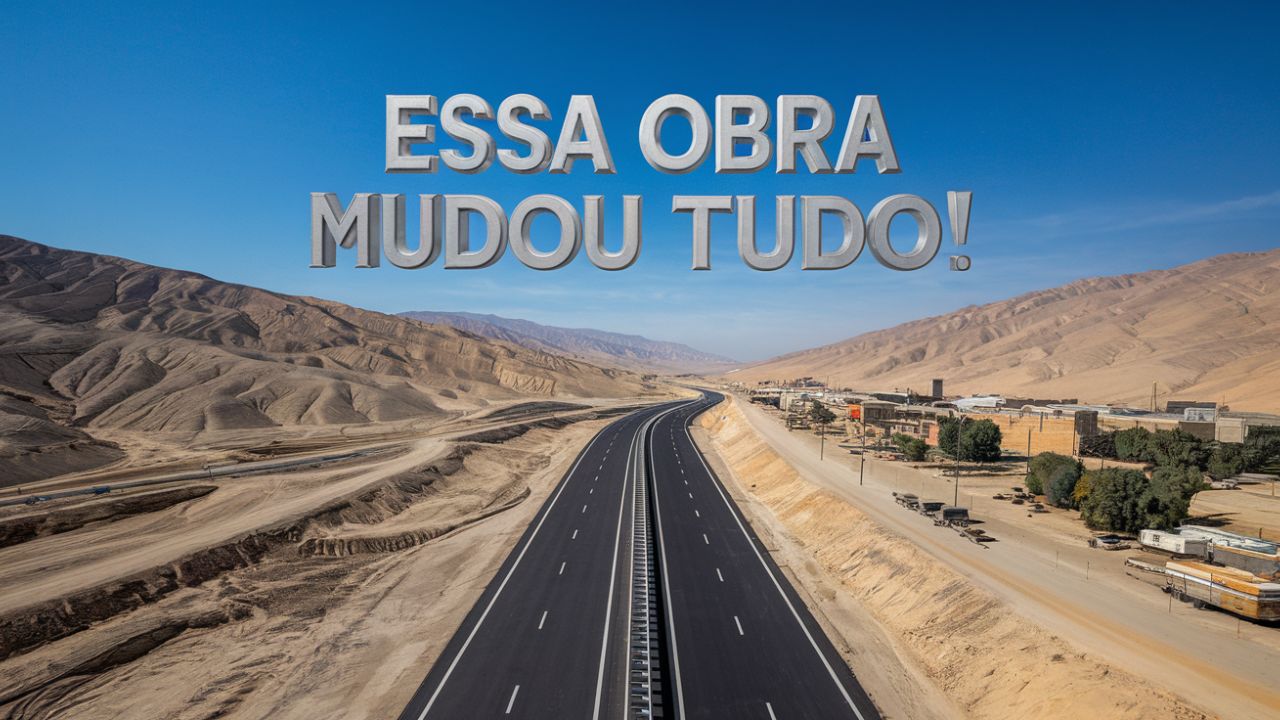


China’s Construction in Surkh Rod, Afghanistan, Created a Road That Connects Jalalabad to Kabul, Tripled Farmers’ Income, Reduced Agricultural Losses, Facilitated Access to Hospitals, and Generated Local Jobs, Transforming the Economy and Quality of Life of the Population.
Living in a region where taking your products to market was like running a marathon full of obstacles. For the residents of Surkh Rod, Afghanistan, this was the reality until a road built by China completely changed the landscape.
Construction of the Road
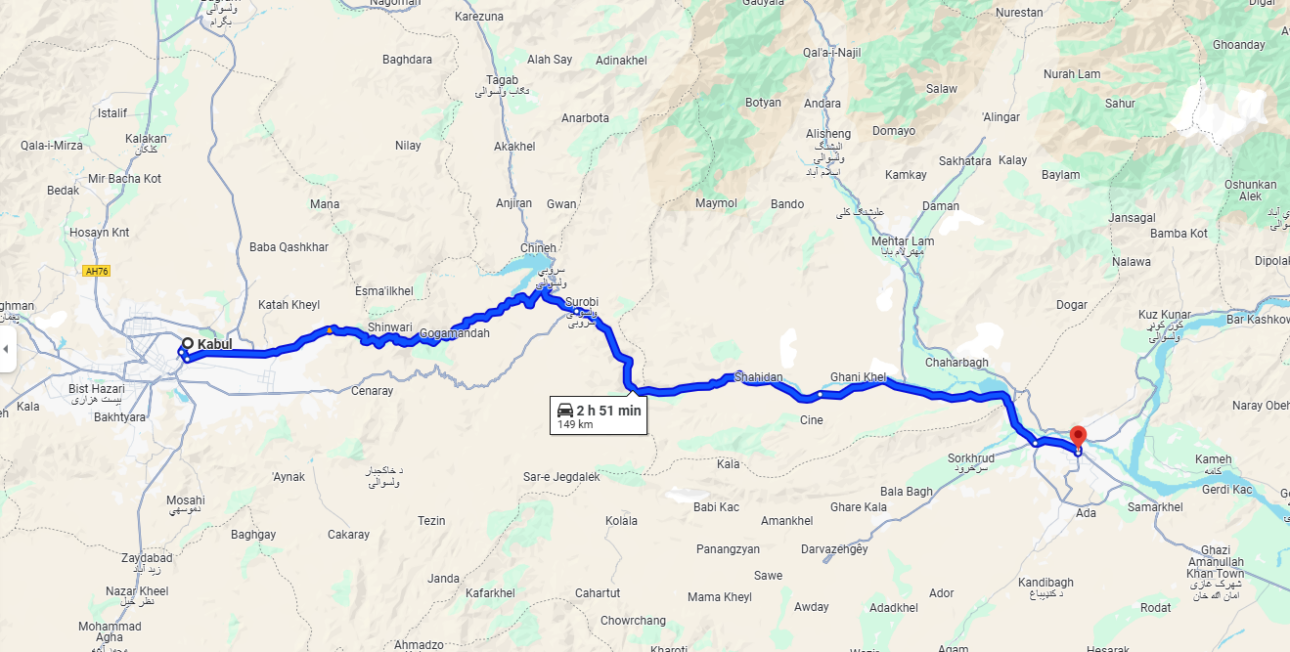
The road crosses the district of Surkh Rod in Nangarhar province, connecting Jalalabad to Kabul. This project, financed and built by China, has become more than just a paved path – it is a true bridge to the economic and social development of the region.
Over the past 20 years, China has played a crucial role in the reconstruction of Afghanistan, contributing essential infrastructure, such as the Jamhoriat Hospital, as well as strategic roads like this one.
-
Innovative Project Demonstrates How to Build a Modular, Eco-Friendly Cabin Using Recycled Timber Logs

-
Transform Your Bathroom with Paint, Mirrors, LED Lighting, and Accessories for a Quick, Cost-Effective Makeover
-
Couple Converts 1925 Detroit Bank into Home, Earns $40,000 Annually on Airbnb

-
Tired of Seeing People Sleep in the Cold, London, Canada Opens First Modular Shelter for Homeless with 60 Cabins, Heating, Meals, and Dog Area



Transformations in the Lives of Residents
Before the construction of the road, farmers like Rohudin faced enormous challenges in getting their crops to market. Fruits and vegetables often spoiled before being sold, resulting in significant losses.
Now, with the paved road, not only is transportation faster, but residents also have easier access to essential services, such as hospitals. “This road has saved not only our products but also our lives,” highlighted Hamayon, a local farmer.
Economic Impacts of the Construction
The construction of the road has brought a significant increase in farmers’ income. Previously, the annual revenue barely reached 100,000 afghanis (around $1,412). After the inauguration, many farmers report annual earnings between 200,000 and 300,000 afghanis (up to $4,236).
The project generated local jobs, not only during construction but also in the commerce and transportation that flourished thanks to the road.
Sustainable Benefits for the Future
This project is not just an immediate investment; it paves the way for sustainable economic growth in the region. With easier access to markets, farmers can compete on equal footing, strengthening the local economy.
This partnership also solidifies bilateral relations between China and Afghanistan, demonstrating that investment in infrastructure can be a powerful tool of diplomacy.
The road built by China in Surkh Rod is more than just an infrastructure project – it is a living metaphor of how connections can transform lives. With lasting impacts, this construction by China symbolizes a brighter future for the Afghan people. After all, a well-paved road is the first step toward a path of prosperity.


