Portuguese
  Spanish


Forget Concrete Walls! This Revolutionary Acoustic Solution Is Cheaper, Eco-Friendly, and Keeps Any Place Free from Urban Noise.
Noise pollution is among the main problems of large cities, with direct impacts on the health and well-being of the population. Amid this growing challenge, an innovative solution is gaining traction: vegetated sound barriers. Cheaper than conventional concrete barriers, these modular systems offer up to 98.5% sound reduction, while also contributing to biodiversity and improving the urban landscape.
This proposal, developed by a specialized green architecture company from Germany, combines construction technology with ecological restoration of urban and suburban environments.
More Than Sound Containment
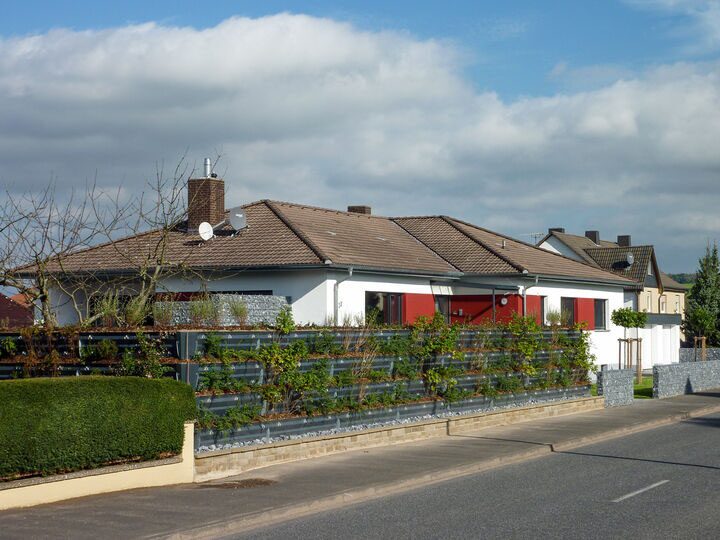
By combining elements of modular engineering with landscaping solutions, vegetated walls go beyond simple noise containment. The structure consists of galvanized steel modules filled with soil substrate and covered with carefully selected plant species. These plants help absorb pollutants, improve the local microclimate, and attract urban wildlife, such as bees, birds, and butterflies.
-
Concrete-filled PVC homes could be cheaper than traditional masonry, UPF research finds; with ready modular panels, less waste, and faster construction, the Concrete-PVC system aims to cut costs and transform affordable housing in Brazil.

-
Brazilian House Built with 32.8 Tons of Construction Debris Offers Affordable Housing Solution
-
Americans Build Entire Homes in a Day Using Compact Sand Foundations and Pre-Made Wooden Trusses, Reducing Construction Costs

-
China’s Largest Floating LNG Plant, NGUYA, Sets Sail for Congo: 2.4 Million Tons Annually for Italy’s Eni


Each system is adapted to the environment in which it will be installed. The client can choose the vegetation based on factors such as solar incidence, climate, available space, and desired visual impact. The final result is a living, functional barrier integrated into the landscape.
Comparison with Traditional Solutions
While concrete and glass walls reflect sound waves and often amplify noise impact, vegetated walls have the ability to absorb and dissipate sound energy, making them more efficient, especially in densely populated urban areas.
Furthermore, the installation of green structures is significantly simpler. Being modular, they do not require deep foundations, which reduces construction costs and installation time. This makes them viable for use in residential gardens, condominiums, business areas, road corridors, and even school zones.
Impacts on Health and Quality of Life
According to data from the World Health Organization, noise levels above 55 decibels can cause stress, insomnia, cardiovascular problems, and even long-term cognitive impairment. The implementation of acoustic barriers with vegetation emerges as an effective measure to mitigate these effects, especially in areas with high vehicle traffic or industrial zones.
In Europe, Directive 2002/49/EC requires countries to monitor environmental noise and adopt action plans. In Brazil, the NBR 10151 technical standard regulates urban noise measurement and guides acoustic control projects. The installation of green barriers aligns with these requirements and adds aesthetic and ecological benefits.
Environmental and Urban Benefits
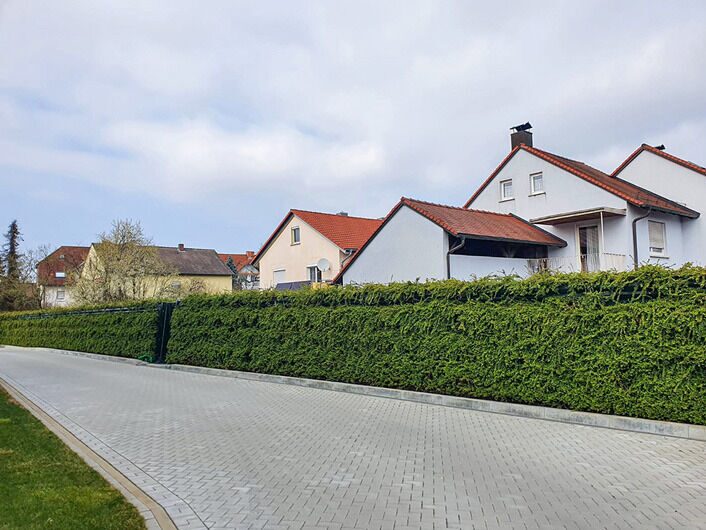
Vegetated walls also stand out for functioning as urban micro-habitats. As the plants grow, they create shelter for native species and strengthen ecological corridors in cities. Additionally, they reduce heat islands, improve relative humidity, and assist in the retention of suspended particles.
These characteristics make the technology suitable not only for noise control but also as a green infrastructure strategy in master plans and sustainable urbanization projects.
International Examples and Certifications
Countries such as Germany, Belgium, the Netherlands, and Canada are already extensively using this type of barrier along highways, railways, and residential areas. In many of these projects, the structures are integrated with photovoltaic systems or serve as bases for vertical gardens that produce food.
Developments that adopt such solutions can also achieve notable environmental certifications, such as LEED (Leadership in Energy and Environmental Design) and GBC Brazil Casa®, aimed at sustainable constructions.

Cost-Benefit in the Long Term
Although the initial cost may seem higher than that of common barriers, the return is clear: lower maintenance, integration with the environment, reduction of pollutants, and appreciation of real estate. Furthermore, in urban infrastructure projects, these structures can be counted as environmental compensatory measures, generating additional benefits in terms of licensing.
A Solution for Cities That Need to Breathe
Given the unplanned urban growth and the intensification of environmental impacts in large metropolises, vegetated noise barriers stand out as a viable, efficient, and sustainable alternative. They not only reduce sound — as proven by laboratory tests and real applications — but also reclaim urban space, promoting health, well-being, and beauty.
With customized solutions and a technical-scientific basis, this new approach to acoustic containment represents a shift in the paradigm of urban construction, leaving behind the gray of concrete and opening up space for the green of nature — even in the heart of the cities.
For more information, visit naturawall.